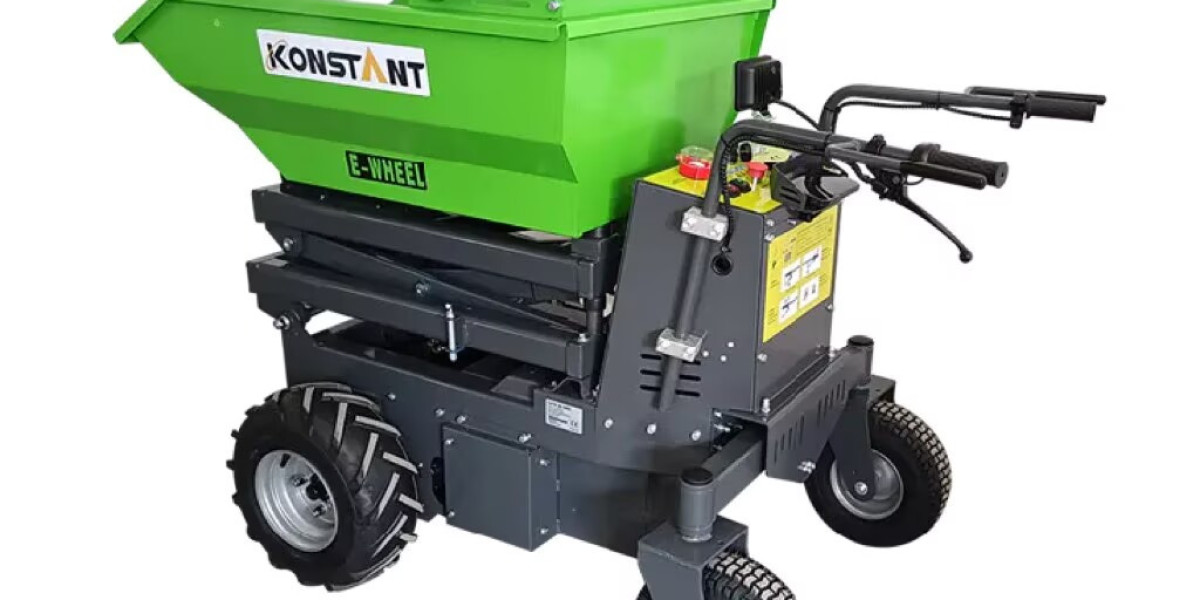

Mini Dumper Manufacturer selection starts with understanding what a machine must accomplish and how the supplier can meet the buyer’s requirements. Importers, distributors, contractors, and rental businesses should evaluate working capacity, equipment dimensions, inspection arrangements, customization, and maintenance support. A well-prepared enquiry helps both parties clarify specifications and reduce misunderstandings before production and delivery.
Define the Job Before Comparing Models
Begin with the intended application. Construction projects may require transporting sand, gravel, bricks, or building debris, while landscaping and agricultural work may involve soil, plants, feed, or other materials.
Prepare a short description of the working environment, expected load, travel distance, access restrictions, and unloading location. Explain how frequently the machine will be used and whether it needs to move through narrow routes or across uneven ground.
These details help the production team identify relevant configurations and provide technical information for comparison. A model selected for a small garden pathway may have different dimensions and operating requirements from one intended for a construction site.
Check Load Ratings and Container Design
Ask for the rated payload and hopper volume of each model under consideration. These measurements describe different characteristics and should not be treated as interchangeable.
Material density also affects practical loading. Wet soil, gravel, and sand can weigh differently even when they occupy a similar volume. Explain the intended materials and confirm the permitted load and applicable operating guidance.
Hopper shape, tipping arrangement, and unloading direction can affect how material is handled at the destination. Ask how the available designs differ and whether the proposed configuration fits the work process. Where unloading space is limited, describe the site layout before approving a model.
Evaluate Dimensions and Mobility
A machine needs to fit the route as well as the task. Measure gates, pathways, ramps, storage areas, and turning spaces before choosing a configuration.
Request overall length, width, height, ground clearance, operating weight, and turning requirements. Compare these figures with actual measurements from the worksite. Consider whether the machine must pass through buildings, travel between garden beds, or move around other equipment.
Terrain is another important consideration. Explain whether the surface consists of concrete, gravel, loose soil, mud, or uneven ground. Ask which drive arrangements are available for the intended conditions and request operating guidance for slopes or other challenging areas.
Ask for Evidence of Inspection Procedures
Before placing an order, clarify how the equipment is checked during assembly and before dispatch. Ask which components receive incoming inspection and which functional tests are performed on completed units.
Depending on the design, checks may cover frame construction, weld appearance, hopper alignment, controls, braking, hydraulic functions, fasteners, and accessories. Confirm which inspection items apply to the selected configuration.
For a larger purchase, agree on acceptance criteria in writing. A documented checklist gives the buyer and production team a shared reference for reviewing the finished order.
If travelling to the production site is not practical, discuss remote inspection options such as photographs, video, or other agreed records. Confirm the inspection timing and the information available before shipment.
Clarify Customization and Design Approval
Importers and distributors may require particular colours, logo placement, nameplates, packaging, manuals, or accessory combinations. Some projects may also need specific bucket dimensions or other configuration changes.
Provide design files, reference images, and written instructions as early as possible. Ask which options are available and whether modifications affect pricing, order quantities, sample approval, or the production schedule.
For private-label purchases, approve the appearance and technical specifications before batch production begins. Keeping a confirmed sample or written specification can help prevent confusion when multiple versions are included in one order.
Plan for Maintenance After Arrival
Purchasing decisions should account for routine servicing and replacement parts. Ask whether operating instructions, maintenance schedules, component diagrams, and parts lists are supplied with the equipment.
Clarify how replacement components are identified and requested. Consistent model records and part numbers can help distributors organize inventory and respond to customer questions.
For international purchases, review warranty conditions, technical communication channels, and procedures for reporting product issues. Ask for written details about the scope of support and the information required to process a claim.
Confirm the Commercial and Shipping Details
Before approving the purchase, check the quotation and purchase order together. Both documents should specify the model, quantity, accessories, customization, inspection requirements, packaging, payment schedule, production lead time, and agreed delivery terms.
Ask about package dimensions, machine weight, loading arrangements, protective materials, shipping marks, and documents required for the destination market. These details help buyers plan freight, warehouse space, and receiving arrangements.
For shipments containing several configurations, request an itemized packing list. It helps the receiving team compare delivered quantities and accessories against the original order.
Organize the Information Before Requesting a Quote
A useful enquiry should include the intended application, material type, expected load, site measurements, preferred power configuration, unloading requirements, order quantity, customization requests, and destination. Providing this information at the beginning makes it easier to evaluate the proposed equipment.
Compare quotations using equivalent specifications and included accessories. If any technical feature, delivery condition, or service term remains unclear, request written confirmation before making a commitment.minidumperfactory provides compact material transport equipment options for construction, landscaping, agriculture, and related applications. Buyers can review available models at https://www.minidumperfactory.com/product/ and prepare their application details, expected payload, site measurements, configuration preferences, order quantity, and destination before discussing suitable equipment and purchasing arrangements.