
Moving materials efficiently is an important part of construction, landscaping, warehouse operations, and site preparation. Soil, sand, gravel, building supplies, and construction debris often need to be moved between different areas before work can continue. When material handling is poorly planned, workers may face delays, equipment may remain idle, and project costs can increase.
Choosing suitable loading equipment helps contractors organise these activities and maintain a steady workflow. The right machine can reduce manual labour, move materials more efficiently, and support better use of available space. However, selecting equipment requires careful attention to the type of material, site conditions, machine capacity, and overall project requirements.
Understand Your Material Handling Needs
Before hiring loading equipment, identify the materials that need to be moved and estimate their quantity. Different materials have different weights, densities, and handling requirements, so one machine may not be suitable for every task.
For example, moving loose soil around a construction site may require a different approach from handling gravel, demolition debris, or pallets of building supplies. Contractors should also consider whether materials need to be lifted, loaded into vehicles, or transported across the site.
Estimate the distance between the loading area and the destination. If materials need to travel between several work zones, the machine's movement speed and manoeuvrability may affect productivity.
The working schedule is another important factor. If material movement must be completed before excavation, paving, or concrete work can begin, the equipment needs to be available at the right time.
Preparing these details before contacting a rental provider makes it easier to select machinery that matches the workload.
Choose a Machine With Suitable Capacity
Loading equipment is available in different sizes and configurations. The appropriate choice depends on the weight and volume of the materials being handled, as well as the space available for operation.
A machine with insufficient capacity may require too many trips to move the same quantity of material. An oversized machine can create unnecessary rental expenses and may be difficult to operate in restricted areas.
Check the machine's rated operating capacity, bucket volume, lifting height, and overall dimensions. These specifications help determine whether it can handle the planned tasks safely.
Contractors should also consider the material's density. A bucket filled with dense material can weigh considerably more than the same bucket filled with a lighter substance. Operators must follow the manufacturer's rated limits rather than relying on bucket volume alone.
When selecting equipment, explain the expected workload to the rental provider. Accurate information allows the provider to recommend a suitable model and helps prevent performance problems once work begins.
Consider Boom Loader Capabilities
Some construction activities require loading equipment that can reach elevated areas or handle materials at different heights. In these situations, the machine's lifting range and working reach become important considerations.
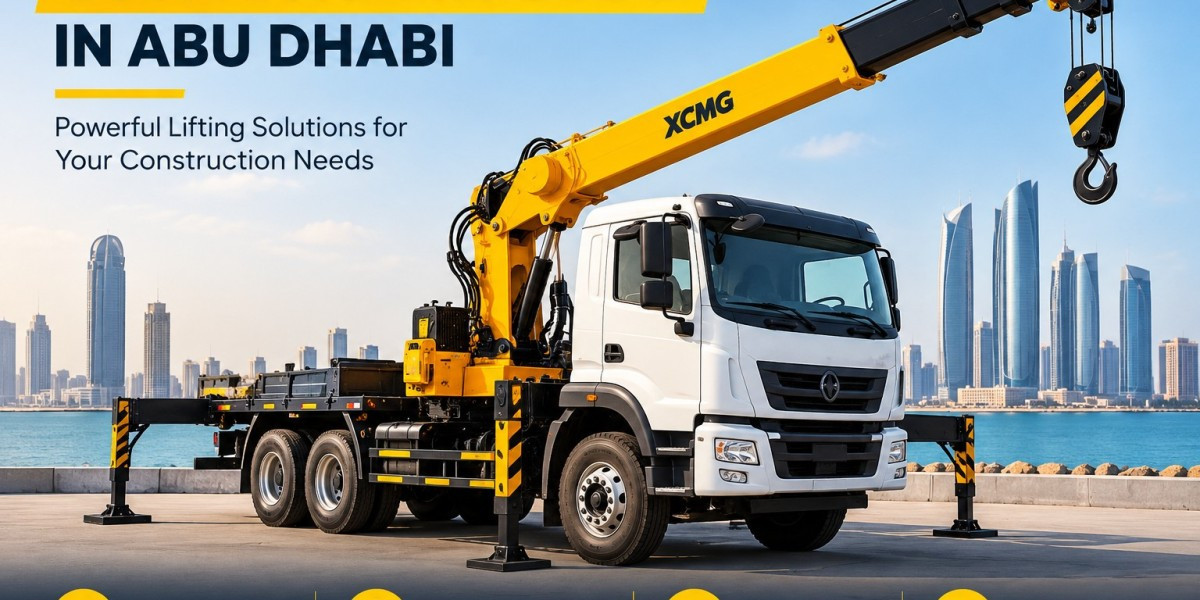
When comparing Boom Loader Rental Abu Dhabi options, contractors should check the machine's rated lifting capacity, maximum working height, reach, and stability requirements. These features determine whether the equipment can handle the intended task within its operating limits.
A boom loader may be useful for certain material-handling activities where the load needs to be positioned beyond the machine's immediate front area. Depending on the specific model, it may support selected construction and loading operations that require additional reach.
However, the term can describe different equipment configurations, so contractors should confirm the exact machine type being offered. A telescopic handler, for example, differs from a conventional wheel loader in its design and intended applications.
The rental provider should explain which machine is available and whether it is appropriate for the project's lifting and handling requirements.
Evaluate Site Layout and Ground Conditions
The physical layout of a construction site affects how easily loading equipment can move. Narrow routes, temporary storage areas, parked vehicles, and unfinished surfaces may restrict machine access.
Before delivery, inspect the working area and identify suitable routes between the loading point and the destination. Make sure entrances are wide enough and turning areas provide adequate space.
Ground conditions also require attention. Loose soil, uneven surfaces, wet ground, and sloped areas can affect traction and stability. The selected machine must be appropriate for the surface on which it will operate.
If loading takes place near buildings or public access routes, establish clear working boundaries. Keep workers and pedestrians away from the machine's operating area and ensure that operators can see the intended route.
Planning the layout carefully can reduce unnecessary travel and make material movement more organised.
Improve Workflow Through Better Planning
Efficient material handling depends on more than the machine itself. Contractors should organise the work area so that loading equipment can move materials without repeatedly crossing busy sections of the site.
Place frequently used materials near the areas where they are needed, provided this does not obstruct access or create safety risks. Designate separate locations for incoming supplies, excavated soil, reusable materials, and waste.
Coordinate deliveries with the construction schedule. If materials arrive before the storage area is ready, they may block access routes and slow down other activities.
It is also helpful to establish a clear loading sequence. Operators should know where materials are collected, where they need to be moved, and which routes are approved for travel.
Regular communication between equipment operators, site supervisors, and ground workers can help prevent confusion. A well-organised workflow allows the machine to spend more time performing useful work and less time waiting for instructions.
Compare Rental Costs and Included Services
Rental prices depend on the equipment type, capacity, hire duration, transport arrangements, and additional services. Contractors should compare the total cost rather than choosing a machine based only on its advertised daily rate.
Ask the rental provider whether delivery and collection are included. Confirm fuel arrangements, operator fees, maintenance responsibilities, and charges for additional working hours.
If the project may take longer than expected, check the extension policy before signing the agreement. Understanding these terms helps prevent unexpected expenses.
The cheapest option may not always provide the best value. A machine with unsuitable capacity may require more trips and take longer to finish the work. A reliable machine that matches the workload may provide better overall efficiency.
Request a written quotation that lists the included services and any possible extra charges. This makes it easier to compare providers and prepare a realistic equipment budget.
Inspect Equipment Before Use
Before accepting loading equipment, check its general condition and confirm that essential systems are functioning correctly.
Look for visible damage, fluid leaks, worn tyres, damaged hydraulic hoses, and problems with the controls. Check the bucket or attachment for signs of excessive wear and confirm that it is compatible with the machine.
Ask the rental provider about maintenance history and the process for reporting mechanical faults. For projects with tight deadlines, it is useful to understand whether repair support or replacement equipment can be arranged.
The operator should be trained and authorised to use the selected machine. They should understand its lifting limits, visibility restrictions, and safe operating procedures.
Loads must be secured and handled according to the manufacturer's instructions. Operators should avoid exceeding rated capacities and should not move loads in ways that compromise stability.
Use Loading Equipment Safely
Safety should remain a priority throughout material handling operations. Before work begins, inspect the travel route and remove obstacles that could interfere with machine movement.
Keep people away from areas where materials are being lifted, loaded, or transported. Use clear signals and communication procedures whenever ground workers need to coordinate with an operator.
Avoid operating on unsuitable slopes or unstable ground. If the machine must work near an excavation, maintain the safe distance specified by the site plan and equipment guidance.
Daily checks can help identify visible problems before they interrupt work. Any unusual noise, warning signal, or mechanical issue should be reported promptly.
Following established safety procedures helps protect workers, equipment, and nearby structures while supporting consistent productivity.
Select Equipment That Supports Productivity
Improving material movement begins with understanding the workload and selecting equipment that matches the site's needs. Contractors should assess material type, machine capacity, working reach, ground conditions, and access limitations before hiring.
Rental costs, delivery schedules, operator experience, and maintenance support should also be considered. Preparing the site and organising material storage can further improve efficiency.
With the right equipment and a clear handling plan, construction teams can move materials more effectively, reduce unnecessary delays, and maintain a smoother workflow throughout the project.