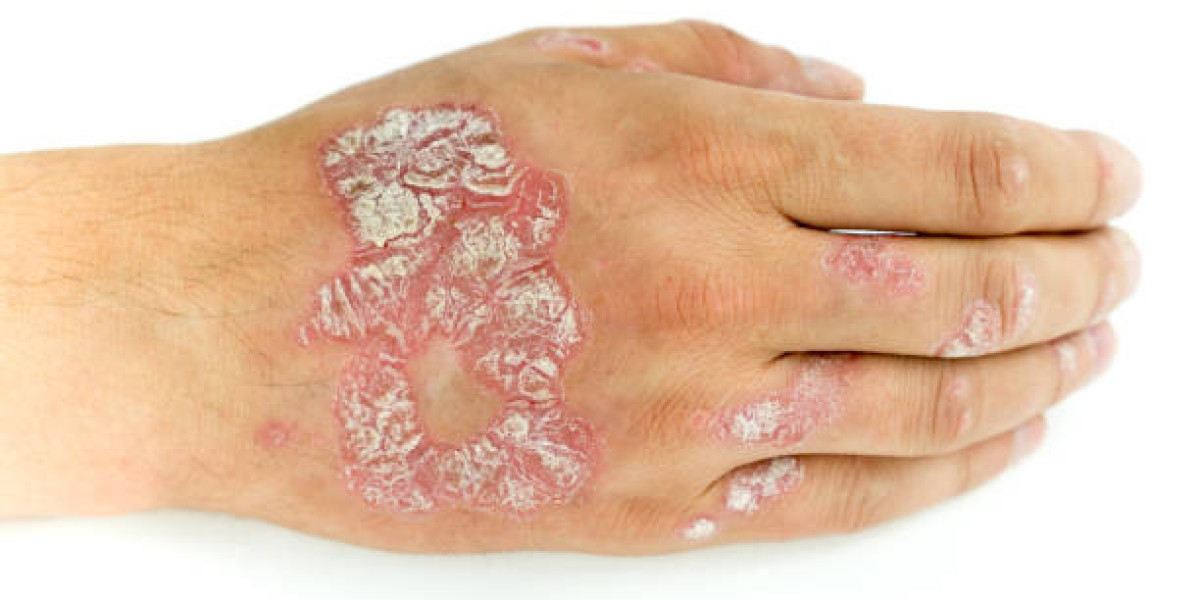

Eczema is a common skin condition that causes dryness, itching, redness, and inflammation. Although it often begins during childhood, many adults experience eczema for the first time or continue to have flare-ups throughout their lives. The condition can affect different parts of the body, including the hands, face, neck, arms, and legs. Understanding the factors that contribute to eczema can help adults recognize possible triggers, protect their skin, and explore suitable Eczema treatment in Riyadh (علاج الإكزيما في الرياض) based on their individual symptoms and needs.
The causes of eczema can vary from person to person. Genetics, a weakened skin barrier, immune system responses, environmental irritants, and certain allergies may contribute to its development or aggravate existing symptoms. Stress, changes in weather, and workplace exposure can also trigger flare-ups in some adults. Identifying these factors is an important part of managing the condition, and people considering Eczema treatment in Riyadh can benefit from a professional skin assessment to determine the type of eczema and develop an appropriate care plan.
What Causes Eczema in Adults?
Eczema does not have one single cause. In many cases, it develops because of a combination of genetic susceptibility, skin barrier problems, immune responses, and environmental influences. Different forms of eczema may also have different triggers, making it important to understand the factors associated with each condition.
Genetic Factors
Genetics can influence a person's likelihood of developing eczema. Adults with a family history of atopic dermatitis, asthma, or allergic conditions may have a greater tendency to experience eczema. Certain inherited differences can affect the skin's ability to retain moisture and protect itself from irritants.
However, having a family history does not guarantee that someone will develop eczema. Environmental factors and individual skin sensitivity also play a role.
A Weakened Skin Barrier
The skin barrier helps retain moisture and protect the body from irritants, allergens, and harmful microorganisms. When this barrier does not function effectively, the skin may become dry, sensitive, and more vulnerable to inflammation.
Frequent washing, harsh cleansers, hot showers, and exposure to cleaning chemicals can weaken the skin barrier further. Adults with naturally dry or sensitive skin may be especially likely to experience irritation when these factors occur repeatedly.
Immune System Responses
Eczema involves inflammation that can develop when the immune system responds in ways that affect the skin. In atopic dermatitis, immune activity and skin barrier dysfunction interact, contributing to itching and recurring inflammation.
This response is complex and differs among individuals. Eczema is not simply the result of a weak immune system, and it cannot always be prevented by avoiding one specific substance.
Common Environmental Triggers of Eczema
Soaps, Detergents, and Skincare Products
Products containing fragrances, harsh cleansing agents, or other irritating ingredients can worsen eczema. Frequent contact with detergents and cleaning products is a common concern for adults who wash their hands repeatedly or perform household and workplace cleaning.
Some people develop irritant contact dermatitis after repeated exposure, while others experience allergic contact dermatitis because of sensitivity to a particular ingredient. Using fragrance-free products and avoiding known irritants may help reduce symptoms.
Weather and Temperature Changes
Cold weather, low humidity, and dry indoor air can increase moisture loss from the skin. In contrast, heat and sweating may worsen itching for some people. Rapid temperature changes can also irritate sensitive skin.
Although weather cannot always be controlled, adults can adapt their skincare routines by applying moisturizer regularly, using lukewarm water, and choosing breathable clothing.
Dust, Pollen, and Other Allergens
Some adults with eczema may also have allergies to substances in their environment. However, not every eczema flare-up is caused by an allergy, and positive allergy tests do not automatically mean that a substance is responsible for skin symptoms.
A healthcare professional can help determine whether allergy evaluation is appropriate, particularly when symptoms occur alongside other allergic conditions or appear to follow a consistent exposure pattern.
Can Stress Cause Eczema in Adults?
Stress does not directly cause every case of eczema, but it can trigger or worsen symptoms in some people. Emotional pressure and poor sleep may increase the perception of itching and make it harder to resist scratching. Scratching can then damage the skin barrier and intensify inflammation, creating a cycle that contributes to further discomfort.
Stress-management techniques, regular sleep, gentle exercise, and relaxation practices may support overall symptom management. These approaches should complement, rather than replace, appropriate medical treatment when eczema is persistent or severe.
Can Workplace Exposure Lead to Eczema?
Work-related exposure is an important cause of eczema in some adults, particularly hand eczema. People who frequently handle water, soaps, disinfectants, solvents, hair dyes, or other chemicals may develop irritation after repeated contact. Certain professions involving healthcare, cleaning, food preparation, construction, and hairdressing may involve frequent exposure to potential irritants or allergens.
Protective gloves and appropriate workplace precautions can help, but gloves may also cause sweating or irritation if worn for long periods. Choose suitable protective equipment and follow workplace safety guidance. If symptoms repeatedly worsen during workdays or improve away from work, discuss the pattern with a healthcare professional.
Can Allergies Cause Adult Eczema?
Allergies can contribute to some forms of eczema, especially allergic contact dermatitis. This condition occurs when the immune system reacts to a substance that touches the skin, such as a fragrance, preservative, metal, adhesive, or ingredient in a cosmetic product. The rash may develop hours or days after exposure.
Atopic dermatitis is different because it involves a combination of skin barrier dysfunction and inflammation, although allergies may be relevant for some individuals. Food allergies are not the cause of most adult eczema cases, so restrictive diets should not be started without medical advice. Patch testing may be recommended when a contact allergy is suspected.
How Can Adults Reduce Eczema Triggers?
Follow a Consistent Skincare Routine
Use a gentle, fragrance-free cleanser and apply a thick moisturizer regularly, particularly after bathing or washing your hands. Avoid very hot water and pat the skin dry rather than rubbing it with a towel.
Identify Personal Triggers
Keeping a simple record of flare-ups, skincare products, workplace exposures, weather changes, and other relevant factors may help reveal patterns. Avoid making major lifestyle or dietary changes based on assumptions alone.
Seek Appropriate Medical Treatment
If eczema persists despite basic skincare, a dermatologist may recommend prescription anti-inflammatory medicines or other treatments according to the type and severity of the condition. People seeking Eczema treatment in Riyadh should receive an assessment that considers their symptoms, medical history, and possible exposure to irritants or allergens.
Seek prompt medical attention if the skin becomes increasingly painful, warm, swollen, develops pus, or shows rapidly spreading redness, as these signs may indicate infection.
Book a Dermatology Consultation at Royal Clinic Saudia
Recurring itching, dryness, and skin inflammation can have several causes, and identifying the correct one is an important step toward effective management. Royal Clinic Saudia (عيادات رويال كلينك) can help you discuss your skin concerns and explore suitable dermatology care based on your needs. Arrange a consultation to learn more about your symptoms and receive guidance on an appropriate skincare and treatment plan.
FAQs:
Can adults develop eczema for the first time?
Yes. Eczema can begin during adulthood, even in people who did not experience it as children. New skin symptoms may also be caused by contact dermatitis or another skin condition, so a professional assessment can help establish the diagnosis.
Is eczema caused by poor hygiene?
No. Eczema is not caused by poor hygiene. In fact, frequent washing with hot water or harsh soaps can irritate the skin and worsen symptoms by damaging its protective barrier.
Can stress make adult eczema worse?
Stress may contribute to flare-ups in some people by increasing itching, affecting sleep, and making scratching more difficult to resist. Managing stress can support overall care, but persistent eczema may also require medical treatment.
How can I tell what triggers my eczema?
Notice when symptoms appear and whether they follow exposure to particular products, chemicals, weather conditions, or workplace activities. A dermatologist may recommend further evaluation, including patch testing when allergic contact dermatitis is suspected.