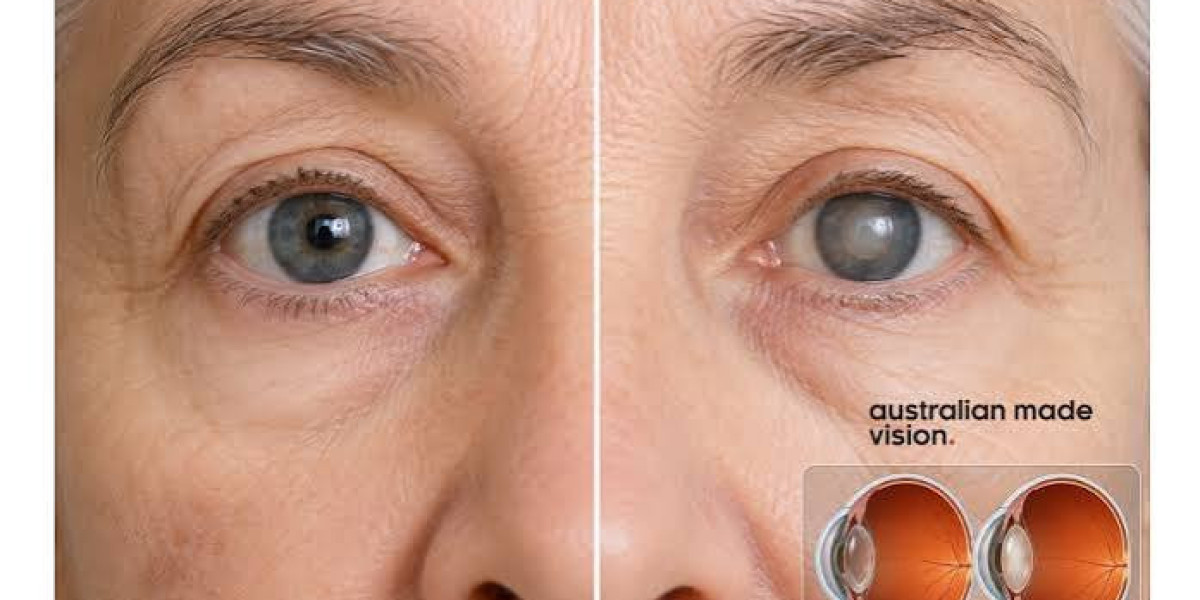

Cataracts cloud the eye's lens slowly and erode independence safety and quality of life. Surgery is one of the most common elective procedures in Australia and understanding the public and private systems helps patients make informed decisions rather than rushed ones. Planning timelines costs and recovery in advance removes most of the anxiety around the procedure.
Why Cataract Surgery Is So Common in Australia
More than 250 000 cataract operations are performed nationally each year making it the most common elective surgery in the country and roughly 11 per cent of public hospital elective admissions. The procedure removes the clouded natural lens and replaces it with an artificial intraocular lens usually as a day case lasting around 30 minutes. Vision declines slowly over years so many people adapt to dimming sight without realising how much clarity they have lost.
What Causes Cataracts to Develop
Cataracts usually develop after age 60 and are accelerated by UV exposure diabetes smoking and long term steroid use. Night glare faded colours and difficulty reading small print are the changes patients most often report before assessment. Because the condition progresses gradually a referral is often delayed until driving or work becomes difficult and annual eye checks are the simplest way to track changes early.
Public and Private Pathways Compared
Public hospitals provide surgery free to Medicare eligible patients when it is clinically necessary but the trade off is waiting time and limited choice of surgeon. The national median wait fell from 119 days in 2023 to 24 to 106 days in 2024 to 25 although individual states and urgency categories vary widely. Urgency is set by visual function and impact on daily living rather than by patient request.
Understanding the Real Costs
Private care shortens the wait to weeks but introduces out of pocket costs. Insured patients typically face total bills of $3 800 to $5 200 per eye with gaps between $0 and $1 500 depending on fund excess and surgeon fees. For anyone comparing cataract surgery Australia wide the honest summary is that public care is free but slower while private care is faster but costly and checking the policy clinical category before booking prevents most billing surprises.
Recovery and Realistic Outcomes
Most patients notice improvement within 24 to 48 hours and the eye is padded overnight with someone required to drive them home. A shield is worn during sleep for the first week and swimming heavy lifting and eye rubbing should be avoided until cleared at review. Vision can feel slightly blurry or gritty in the first few days which is normal and glare sensitivity usually settles within weeks.
Risks Worth Discussing With Your Surgeon
Cataract surgery is very safe but not risk free. An Australian teaching hospital recorded intraoperative complications in about 7.6 per cent of eyes with posterior capsular rupture in 2.7 per cent and a lower rate of 6.0 per cent in eyes without other ocular pathology. Cystoid macular oedema is the most common postoperative issue and most complications respond well to timely review.
Choosing a Specialist and Preparing for Surgery
A referral from a GP or optometrist is the standard starting point and consultation waits commonly run three to six weeks with surgery a further four to six weeks later. Providers such as sightspecialists offer dedicated cataract assessment and surgery on the Gold Coast with pricing discussed upfront and clear follow up planning. A final glasses prescription is usually assessed four to six weeks after surgery once vision stabilises.
Disclose all medications especially blood thinners before surgery
Arrange transport and a responsible adult for the first night
Confirm quotes in writing since anaesthetist fees are often billed separately
Final Thoughts
Cataract surgery is routine evidence based and reliably restores function and confidence. The most important step is an honest conversation with an eye specialist about timing pathway and what recovery will realistically demand. Written quotes and realistic expectations make the decision far easier and early assessment remains the simplest way to protect sight and independence.