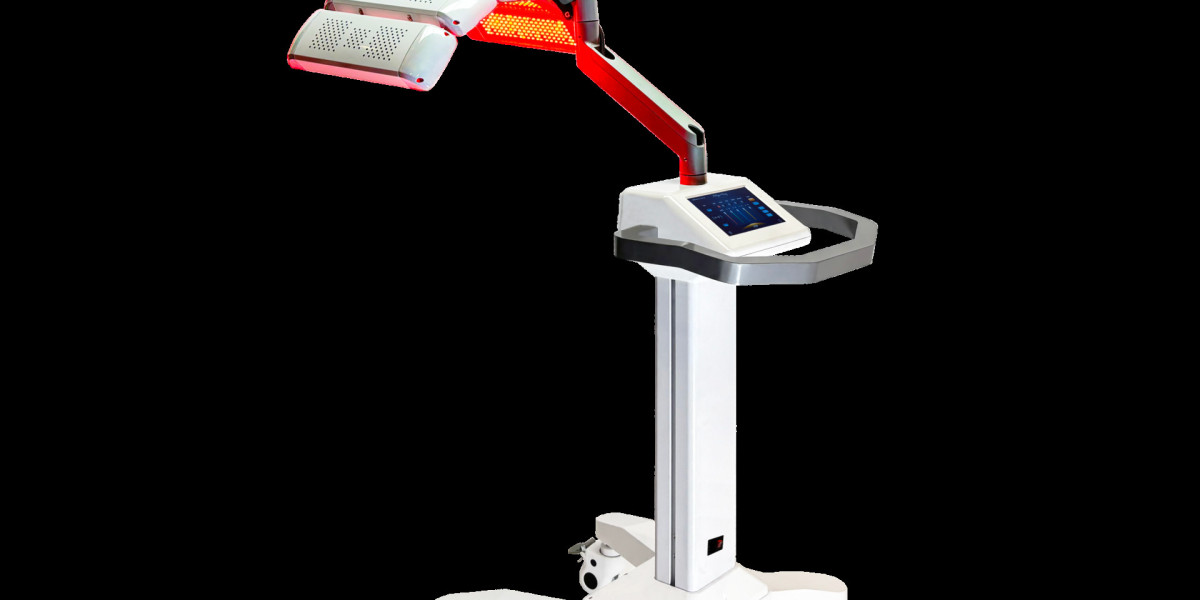

Light-based technology has become an increasingly popular topic in the beauty, skincare, and wellness industries. From professional skincare environments to personal care routines, LED devices offer different ways to explore specific wavelengths of light. Understanding how led light therapy works, which devices are available, and what features matter can help consumers and businesses make informed decisions.
What Is LED Light Therapy?
LED light therapy uses light-emitting diodes to deliver selected wavelengths of light. Depending on the device, these wavelengths may include red, blue, or near-infrared light. Each wavelength interacts with biological tissues differently, and researchers continue to investigate its potential applications.
LED light therapy equipment comes in several formats, including facial masks, panels, handheld devices, flexible pads, and wearable wraps. These products differ in their intended uses, technical specifications, coverage areas, and operating procedures.
It is important to understand that results vary depending on the device and application. Not every LED product has the same scientific evidence, and marketing claims should be evaluated carefully.
Exploring the Potential Applications of LED Technology
LED light therapy has attracted interest in skincare and selected wellness applications. Certain devices are designed for cosmetic environments, while others are developed for broader light-based wellness use.
Consumers researching these products should identify their main goals before comparing equipment. Someone interested in facial skincare may prefer a compact device, while a professional buyer might explore a panel with a larger treatment area.
Important considerations include the wavelengths provided, light intensity, recommended session duration, and the evidence supporting the device's intended application. These details help distinguish products that may appear similar but have different capabilities.
Choosing the Right LED Light Therapy Device
Selecting suitable equipment involves more than looking at appearance or price. A careful comparison can help buyers understand the value and practical limitations of different devices.
Wavelength specifications: Check the wavelengths the device provides and how they relate to its stated purpose.
Light intensity: Review available irradiance information and measurement conditions.
Device format: Compare masks, panels, pads, and handheld designs according to your needs.
Ease of operation: Look for clear controls, understandable instructions, and suitable positioning options.
Build quality: Examine materials, electrical safety information, warranty coverage, and manufacturer support.
Realistic claims: Prefer products with transparent specifications rather than promises of immediate or guaranteed results.
People with photosensitivity, relevant medical conditions, or medications that increase sensitivity to light should consult a qualified healthcare professional before using LED equipment. Follow the manufacturer's instructions and any recommended eye-protection precautions.
Discover Light Therapy Equipment with SinocoTherapy
SinocoTherapy offers information about light-based wellness products for consumers and businesses exploring LED technology. Its product categories provide a starting point for learning about different device designs and comparing available equipment options.
For professional buyers, reviewing technical documentation and discussing product requirements with a supplier can help clarify which equipment suits a particular environment. Businesses considering customized products should also ask about specifications, quality-control procedures, product testing, minimum order quantities, and after-sales support.
Individual consumers should focus on the intended application, product instructions, and available evidence before purchasing a device.
Make an Informed Decision
LED light therapy continues to develop as researchers and manufacturers explore new applications and device designs. Understanding the technology, comparing product features, and maintaining realistic expectations can help consumers and businesses navigate this growing market.
SinocoTherapy provides a useful starting point for exploring light therapy equipment and learning more about available product options.