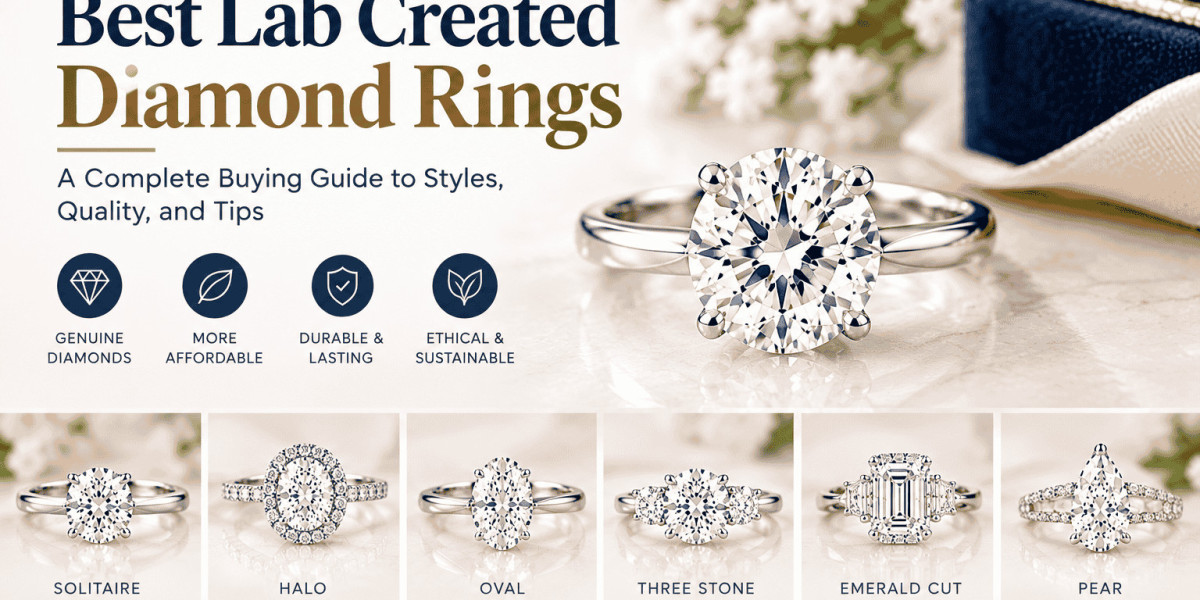

Choosing an engagement ring is an important decision, and finding the right balance between beauty, quality, and price can make the process easier. Best lab created diamond rings offer an appealing option for shoppers who want genuine diamonds in a variety of styles, settings, and precious metals. These diamonds are created using advanced technology rather than forming naturally underground, but they share essentially the same chemical composition, crystal structure, and optical properties as natural diamonds. Whether you prefer a classic solitaire, a sparkling halo, or a modern oval design, there are plenty of options to explore. Understanding diamond quality, ring settings, metal choices, and certification can help you select a ring that suits your preferences and budget.
What Makes Lab-Created Diamond Rings a Good Choice?
Lab-created diamond rings have become a popular choice for engagement rings, anniversary gifts, and other meaningful occasions. Their appeal comes from their appearance, variety, and price flexibility. Lab-grown diamonds are real diamonds, not imitations. They are produced in controlled laboratory environments using methods that replicate the conditions required for diamond growth. Their physical and chemical properties are essentially the same as those of natural diamonds.
Some key advantages include:
A wide selection of diamond shapes, carat weights, and ring designs.
The opportunity to explore larger diamonds within a particular budget.
Classic and contemporary settings for different personal styles.
Availability in popular metals, including yellow gold, white gold, platinum, and rose gold.
Grading reports from recognized gemological laboratories for qualifying stones.
The best choice still depends on individual preferences. Diamond quality, craftsmanship, durability, and the reputation of the seller all matter when comparing different rings.
Which Lab-Created Diamond Ring Styles Are Most Popular?
The right design depends on the wearer's taste, lifestyle, and preferred diamond shape. Some people love timeless simplicity, while others prefer intricate details and additional sparkle.
1. Solitaire Lab-Created Diamond Rings
Solitaire rings feature a single central diamond, making them a timeless choice for engagement. Their simple design draws attention to the diamond itself and works well with round, oval, princess, pear, and emerald-cut stones.
A solitaire setting is particularly suitable for someone who appreciates an elegant, understated appearance. A four-prong setting can provide an open view of the diamond, while a six-prong setting offers a traditional look with additional points of support.
2. Halo Lab-Created Diamond Rings
Halo rings feature a central diamond surrounded by smaller diamonds. This arrangement creates additional sparkle and can make the center stone appear larger.
Round and oval center diamonds are especially popular in halo designs. However, buyers should check how securely the smaller stones are set because intricate designs may require more maintenance over time.
3. Oval Lab Created Diamond Rings
Oval diamonds have an elongated shape that can create an elegant appearance on the finger. Their length may also make them look larger than some round diamonds of the same carat weight, depending on their proportions.
Oval rings are available in solitaire, halo, hidden halo, and three-stone settings. When comparing oval diamonds, examine their symmetry, proportions, and any visible bow-tie effect across the center.
4. Three-Stone Lab Created Diamond Rings
Three-stone rings feature a central diamond with two additional stones on either side. The side stones may match the center diamond's shape or introduce a complementary design.
These rings can provide extra brilliance and a distinctive appearance. They are a good option for shoppers who want something more detailed than a solitaire without choosing a full halo design.
5. Emerald Cut Lab Created Diamond Rings
Emerald-cut diamonds feature a rectangular shape with step-cut facets. Instead of the intense sparkle associated with brilliant cuts, they produce broad flashes of light and a sophisticated, clean appearance.
Because their large, open facets can make inclusions easier to notice, buyers should pay close attention to clarity and examine the diamond's appearance carefully before purchasing.
6. Vintage-Inspired Lab Created Diamond Rings
Vintage-inspired rings often include milgrain detailing, engraved bands, delicate side stones, or intricate settings. These features create a distinctive look inspired by traditional jewelry design.
Such rings suit buyers who prefer decorative details over minimal settings. Check the quality of the craftsmanship and make sure the small stones and decorative elements are securely finished.
How Do You Choose the Best Lab-Created Diamond?
A beautiful design is only one part of the decision. Evaluating the diamond itself helps you compare quality and avoid paying more for characteristics that may not noticeably improve its appearance.
What Is the Importance of the Four Cs?
The four Cs are cut, color, clarity, and carat weight. Together, they provide a useful framework for comparing diamonds.
Cut: Cut quality influences how effectively a diamond reflects light. For many brilliant-cut diamonds, a well-executed cut can make a noticeable difference in sparkle.
Color: Diamond color grades describe how much body color is present in a stone. Near-colorless diamonds can offer an attractive appearance without requiring the highest color grade.
Clarity: Clarity describes internal inclusions and external blemishes. Some inclusions are difficult to see without magnification, so a lower clarity grade can sometimes provide good value.
Carat weight: Carat measures a diamond's weight, not its exact physical size. Two diamonds with the same carat weight may look different because of their shape and proportions.
Rather than automatically choosing the highest grade in every category, compare diamonds visually and consider which characteristics matter most to you.
Should You Choose a Certified Lab-Created Diamond?
A grading report can help you understand a diamond's characteristics and compare it with other stones. Look for documentation from a recognized gemological laboratory and confirm that the report corresponds to the diamond being sold.
The report may describe the diamond's carat weight, color, clarity, measurements, and other identifying characteristics. Depending on the laboratory and report type, it may also identify the diamond's laboratory-grown origin.
Certification or grading documentation does not guarantee that a ring is fairly priced or well made. You should still examine the seller's reputation, return policy, warranty, and setting quality before making a purchase.
Which Metal Is Best for Lab-Created Diamond Rings?
The metal affects the ring's appearance, maintenance requirements, and overall price. Consider both personal style and everyday wear before selecting a band.
White gold: Offers a bright, contemporary appearance that complements many diamond shapes. White gold is commonly plated with rhodium, so periodic replating may be necessary.
Yellow gold: Provides a warm, traditional look and pairs particularly well with vintage-inspired designs.
Rose gold: Has a pinkish tone that creates a distinctive appearance and works with many modern and romantic styles.
Platinum: A naturally white precious metal known for its durability and suitability for fine jewelry. It is often more expensive than common gold options.
Gold alloys: The karat rating indicates the proportion of gold in the alloy. Lower-karat gold contains more alloying metals, which can affect hardness, color, and wear characteristics.
Choose a metal that suits the wearer's preferences and daily routine. A well-designed setting and proper fit are also important for long-term comfort.
How Much Do the Best Lab-Created Diamond Rings Cost?
The price of a lab-created diamond ring varies considerably. Factors include the diamond's size, cut, color, clarity, shape, the precious metal used, the complexity of the setting, and the retailer's pricing.
Lab-grown diamonds often cost substantially less than comparable natural diamonds, but there is no single price that applies to every ring. Two rings with the same advertised carat weight can differ in price because their quality, proportions, design, and documentation are different.
To compare options effectively:
Set a total budget that includes the center diamond, setting, taxes, and any additional fees.
Compare diamonds with similar shapes, carat weights, and grading characteristics.
Check whether the listed price includes the complete ring or only the loose diamond.
Review resizing costs, shipping charges, warranties, and return conditions.
Compare several reputable sellers before making a final decision.
A lower price is not automatically the best deal. The aim is to find a ring with attractive visual qualities, reliable craftsmanship, and clear purchase terms.
Where Should You Buy Lab-Created Diamond Engagement Rings?
You can explore lab created diamond rings through established jewelry retailers, specialist online diamond stores, and local jewelers that offer laboratory-grown options. Each purchasing route has different advantages.
Online stores often provide a wider selection of shapes, settings, and diamond specifications. They may also make it easier to compare several stones side by side. However, review the product photographs, grading documents, return policy, and shipping arrangements before ordering.
Local jewelers allow you to inspect rings in person, compare their appearance under different lighting conditions, and discuss sizing or customization. This can be useful if you are unsure about diamond proportions or setting styles.
Before choosing a seller, consider these points:
Does the product description clearly identify the diamond as laboratory-grown?
Is a grading report available for the center stone?
Are the metal type, ring size, and setting details clearly listed?
Does the seller explain its return, exchange, resizing, and warranty policies?
Are customer reviews credible and consistent?
Can the retailer explain how the ring should be cleaned and maintained?
A trustworthy seller should provide clear information without pressuring you to make a quick purchase.
How Can You Keep a Lab-Created Diamond Ring Looking Beautiful?
Lab-created diamonds have essentially the same hardness as natural diamonds, making them suitable for everyday jewelry. However, the durability of the complete ring also depends on its setting, metal, and construction.
For routine care, clean the ring with warm water, a small amount of mild soap, and a soft brush. Rinse it carefully and dry it with a lint-free cloth. Follow the jeweler's instructions, particularly if the ring contains delicate details or additional gemstones.
Avoid exposing the ring to harsh chemicals, and remove it during activities that could cause a hard impact or damage the setting. Store it separately from other jewelry to reduce scratches to the metal and prevent contact with other pieces.
Arrange occasional professional inspections to check the prongs, side stones, and overall condition of the setting. If the center stone feels loose or the band becomes damaged, have it examined before wearing it again.
Are Lab Created Diamond Rings a Good Long-Term Purchase?
Lab-created diamond rings can be an excellent choice for someone who values the appearance and properties of a genuine diamond while prioritizing the initial purchase budget. They are available in many designs, making it possible to select a ring that feels personal rather than simply following a trend.
However, buyers should distinguish between enjoying a ring and expecting it to retain its purchase price. Lab-grown diamonds generally have limited resale value compared with their original retail prices, and future market prices can change. A ring should therefore be purchased primarily for its beauty, meaning, and intended use rather than as a financial investment.
It is also worth considering the seller's sourcing information and any environmental or social responsibility claims. Laboratory production does not automatically mean a diamond has a lower environmental impact in every respect. Energy sources, manufacturing practices, and the full supply chain can affect the overall picture.
The most satisfying purchase is one that matches your budget, personal values, and expectations for long-term wear.
Conclusion
Finding the right ring involves more than choosing a diamond with an impressive carat weight. By comparing cut quality, clarity, color, metal options, setting styles, and seller policies, you can make a more informed decision. Best lab created diamond rings combine the beauty of genuine diamonds with a wide range of designs and price points, allowing buyers to explore everything from classic solitaires to intricate halo and vintage-inspired settings. Take time to compare reliable options, examine grading documentation, and choose a design that suits the wearer's style. With careful research, you can select a beautiful engagement ring that feels special and offers lasting enjoyment.
Frequently Asked Questions
1. Are lab-created diamonds real diamonds?
Yes. Lab-created diamonds are real diamonds with essentially the same chemical composition, crystal structure, and optical properties as natural diamonds. The primary difference is their origin: one grows in a laboratory, while the other forms naturally underground.
2. Do lab-created diamond rings sparkle like natural diamond rings?
They can. Both lab-grown and natural diamonds can display comparable brilliance and fire when their cut and other characteristics are similar. The quality of the individual diamond matters more than whether it was created in a laboratory or formed naturally.
3. Which diamond shape is best for an engagement ring?
The best shape depends on personal preference. Round diamonds are a classic choice, oval diamonds create an elongated appearance, emerald cuts offer a sophisticated look, and pear or princess cuts provide distinctive alternatives.
4. Are lab-created diamond rings suitable for everyday wear?
Yes. Diamonds are extremely hard, but the ring's setting and metal can still be damaged by impacts or wear. Choose a secure setting, remove the ring during risky activities, and arrange regular inspections.
5. Do lab-created diamond rings hold their value?
Their resale value is generally limited compared with the original retail price, and future prices can fluctuate. They are usually best purchased for personal enjoyment and sentimental value rather than as an investment.
6. How can I verify the quality of a lab-created diamond ring?
Review the diamond's grading report, confirm that it matches the stone, and examine its cut, color, clarity, and carat weight. Also assess the setting, metal quality, seller reputation, and return policy before purchasing.