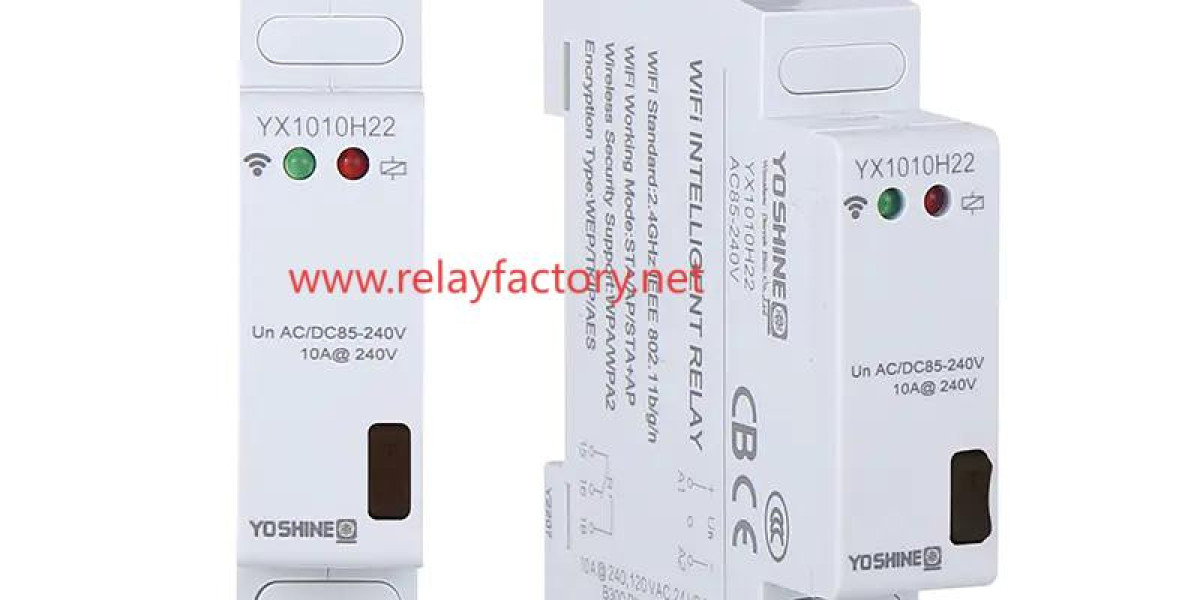

Time Relay Factory selection is an important consideration for buyers sourcing timing components for industrial equipment, electrical panels, and automation systems. A suitable supplier should be able to discuss technical requirements clearly, explain relevant production procedures, and provide information that supports purchasing decisions. Rather than comparing quotations alone, buyers can assess several practical factors to determine whether a potential partner fits their application, budget, and supply schedule.
Confirm the Product Matches Your Application
Begin by defining how the component will work in the intended equipment. Buyers should specify the supply voltage, AC or DC input, connected load, required delay range, contact arrangement, and expected operating frequency. These details help technical personnel evaluate whether a proposed model matches the application.
Installation requirements also deserve attention. Provide the available dimensions, mounting method, terminal layout, and wiring restrictions. If the new component will replace an existing unit, photographs, model references, and connection diagrams can help clarify the required configuration.
Buyers should also explain the surrounding control sequence. Describe what initiates the delay, when the output should change, and whether the cycle repeats automatically. Clear application details provide a useful foundation for technical discussions and reduce the chance of misunderstandings during order preparation.
Examine Production and Process Management
Ask how materials are checked before assembly, how work instructions are maintained, and how changes to approved specifications are communicated. These questions can help buyers understand how the supplier organizes production and manages consistency between orders.
It is also useful to ask which stages involve documented inspections and how nonconforming items are handled. A defined process for recording issues, investigating causes, and implementing corrective actions can support more organized quality management.
Production capacity should be considered in relation to the buyer's actual demand. Discuss expected order quantities, repeat purchasing plans, and any seasonal changes in demand. The goal is to establish whether the supplier can plan resources around the project's requirements rather than relying on general claims about its size.
Review Quality Checks and Supporting Documents
Before placing an order, ask which inspections apply to the selected model. Depending on the design and application, these may include dimensional checks, electrical measurements, functional tests, appearance inspections, and verification against approved specifications.
Buyers should clarify whether inspection results can be documented and which records are available for review. If the destination market or end-use application requires particular compliance documents, identify those requirements early and confirm the relevant model and documentation scope.
Sample evaluation can also help clarify expectations. Buyers may request a sample to check the terminal arrangement, installation fit, adjustment method, and operating behavior before approving a larger order. Any agreed acceptance criteria should be recorded so that both parties can refer to the same requirements.
Evaluate Communication and Technical Support
Good communication helps prevent incomplete specifications from turning into purchasing problems. During initial discussions, notice whether the supplier asks relevant questions, identifies missing information, and explains technical limitations in understandable terms.
For projects requiring special labeling, packaging, dimensions, or connection arrangements, confirm the available options before finalizing the order. Some requests may require additional engineering review, so it is helpful to establish feasibility and timing before committing to a schedule.
Buyers can also assess how technical questions are handled after delivery. Ask whom to contact for installation information, document clarification, or product-related concerns. A clear communication process gives purchasing and engineering teams a defined way to address questions as the project progresses.
Compare Quotations on an Equal Basis
A lower quotation does not necessarily represent the same scope as another offer. Before comparing prices, confirm that each quotation covers the same product configuration, order quantity, inspection requirements, packaging, documentation, and delivery terms.
Request clarification whenever a quotation leaves important details unspecified. Buyers should understand whether sample costs, special packaging, tooling, or additional testing are included or quoted separately. These details make it easier to estimate the overall purchasing budget.
Delivery planning should also be discussed. Confirm the estimated production period, shipping arrangements, order confirmation process, and communication procedure for schedule changes. For repeat purchases, ask how revisions to drawings or specifications will be approved and recorded.
Prepare a Clear Purchasing Checklist
A practical checklist can help purchasing, engineering, and quality teams evaluate potential suppliers consistently. Include product specifications, inspection expectations, documentation needs, order quantities, delivery targets, and packaging instructions. Assign responsibility for confirming each item before the order is released.
For OEM projects, maintain one approved version of the technical documents and record any subsequent changes. This makes it easier to coordinate samples, production orders, and future purchases without relying on informal messages or outdated files.When comparing potential partners, buyers should focus on evidence that relates directly to their requirements. Clear specifications, documented procedures, suitable product options, and defined communication arrangements provide a more useful basis for decision-making than promotional language alone. To discuss timing components for your application, review the available product information at relayfactory and visit https://www.relayfactory.net/ to submit your specifications, estimated quantities, and project requirements.