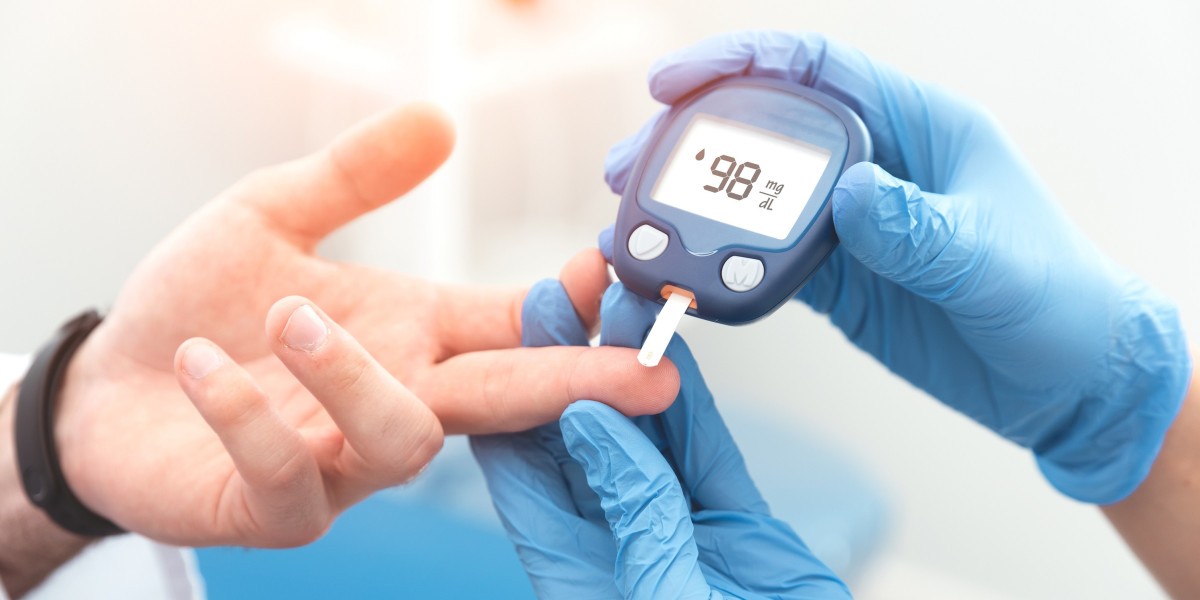

Understanding your blood glucose levels is an important step toward maintaining good health and identifying potential problems early. A blood sugar test measures the amount of glucose in your blood and helps healthcare professionals assess how your body processes sugar. It is commonly used to screen for diabetes, identify prediabetes, and monitor blood glucose levels in people who already have diabetes.
Whether you are taking a Blood Sugar Test Dubai for routine screening or following your doctor's recommendations, understanding the different testing methods and interpreting your results can help you make informed decisions about your health.
This comprehensive guide explains how blood sugar testing works, what your results may indicate, how to prepare for testing, and when to seek medical advice.
What Is a Blood Sugar Test?
A blood sugar test is a medical test that measures the concentration of glucose in your bloodstream. Glucose is the body's primary source of energy and comes mainly from carbohydrates in food. The hormone insulin, produced by the pancreas, helps glucose move from the bloodstream into the body's cells.
When the body does not produce enough insulin or cannot use it effectively, blood glucose levels may become elevated. Over time, consistently high blood sugar can increase the risk of complications affecting the heart, kidneys, eyes, nerves, and blood vessels.
A blood glucose test helps identify these changes and supports the diagnosis and management of conditions such as diabetes and prediabetes.
Doctors may recommend this test if you have symptoms of abnormal blood sugar, risk factors for diabetes, a family history of the condition, or a need for ongoing glucose monitoring.
Why Is Blood Sugar Testing Important?
Regular blood sugar testing provides valuable information about how your body regulates glucose. Some people with elevated blood sugar experience noticeable symptoms, while others may have no obvious warning signs.
Testing can help healthcare professionals:
Identify elevated blood glucose levels before symptoms develop.
Screen for prediabetes and type 2 diabetes.
Investigate symptoms such as excessive thirst, frequent urination, and unexplained fatigue.
Monitor diabetes treatment and lifestyle changes.
Detect low blood sugar levels in people at risk of hypoglycemia.
Evaluate glucose control during pregnancy when gestational diabetes is suspected.
Early identification allows patients and healthcare professionals to discuss appropriate lifestyle changes, further investigations, and treatment options.
Different Types of Blood Sugar Tests:
Several tests can measure blood glucose or provide information about glucose control over time. The appropriate method depends on your symptoms, medical history, and the reason for testing.
1. Fasting Blood Sugar Test
A fasting blood sugar test measures glucose after you have avoided food and caloric drinks for at least eight hours, as directed by your healthcare professional. Water is generally permitted during the fasting period.
This test is commonly used to screen for prediabetes and diabetes because it measures blood glucose without the immediate influence of a recent meal.
For nonpregnant adults, commonly used diagnostic thresholds are:
Normal: 99 mg/dL or below
Prediabetes: 100–125 mg/dL
Diabetes range: 126 mg/dL or above
An abnormal result may require repeat testing or another diagnostic test to establish a diagnosis.
2. Random Blood Sugar Test
A random blood sugar test measures glucose at any time of the day, regardless of when you last ate. It may be useful when someone has symptoms of diabetes or requires an immediate assessment of blood glucose.
A random plasma glucose level of 200 mg/dL or above, together with classic symptoms of diabetes or a hyperglycemic crisis, can indicate diabetes. In other circumstances, additional testing is usually necessary.
Unlike a fasting glucose test, a random blood sugar test does not require a specific fasting period.
3. HbA1c Test
The HbA1c test measures the percentage of hemoglobin in red blood cells that has glucose attached to it. Because red blood cells circulate for several months, this test provides an estimate of average blood glucose over approximately the previous two to three months.
For most nonpregnant adults, the standard diagnostic ranges are:
Normal: below 5.7%
Prediabetes: 5.7% to 6.4%
Diabetes range: 6.5% or above
Certain conditions, including some forms of anemia and hemoglobin disorders, can affect the accuracy of HbA1c results. A healthcare professional can determine whether another test is more appropriate.
4. Oral Glucose Tolerance Test
An oral glucose tolerance test measures how effectively your body processes glucose after you drink a prepared glucose solution. Blood samples are collected according to a specific schedule.
This test is commonly used to investigate gestational diabetes and may also help diagnose diabetes in other circumstances.
For a standard two-hour oral glucose tolerance test in nonpregnant adults, a result below 140 mg/dL is generally considered normal, 140–199 mg/dL indicates impaired glucose tolerance, and 200 mg/dL or above falls within the diabetes range.
Pregnancy uses different testing protocols and thresholds.
How to Understand Your Blood Sugar Test Results?
Interpreting a blood sugar test report requires understanding which test was performed, whether you were fasting, and the reference ranges used by the laboratory.
The following table summarizes common diagnostic thresholds for nonpregnant adults.
| Test | Normal range | Prediabetes range | Diabetes range |
|---|---|---|---|
| Fasting blood glucose | 99 mg/dL or below | 100–125 mg/dL | 126 mg/dL or above |
| HbA1c | Below 5.7% | 5.7–6.4% | 6.5% or above |
| Two-hour glucose tolerance test | Below 140 mg/dL | 140–199 mg/dL | 200 mg/dL or above |
These thresholds are used for diagnosis, not as universal targets for every person with diabetes. Individual treatment goals may differ according to age, pregnancy, medications, other medical conditions, and the risk of low blood sugar.
In people without clear symptoms, a result in the diabetes range generally needs confirmation through repeat testing or another accepted diagnostic method.
What Does a High Blood Sugar Result Mean?
High blood sugar, also known as hyperglycemia, occurs when glucose levels rise above the expected range. Possible causes include insulin resistance, insufficient insulin production, certain medications, acute illness, stress, and recent food intake.
Common symptoms include increased thirst, frequent urination, blurred vision, fatigue, and unexplained weight loss.
One elevated result does not always establish diabetes. However, persistent elevation should be evaluated by a healthcare professional to determine the underlying cause and appropriate next steps.
What Does a Low Blood Sugar Result Mean?
Low blood sugar, or hypoglycemia, is particularly important for people using insulin or certain diabetes medications.
For many people with diabetes, a glucose level below 70 mg/dL is considered low and requires prompt attention. Symptoms may include shakiness, sweating, hunger, dizziness, confusion, or a rapid heartbeat.
Severe hypoglycemia can cause seizures or loss of consciousness. If a person becomes unconscious or cannot swallow safely, do not give food or drink by mouth; seek emergency medical assistance.
How to Prepare for a Blood Sugar Test?
Proper preparation helps ensure that your Blood Sugar Test results are interpreted correctly. Preparation requirements vary according to the test being performed.
Before your appointment, follow these guidelines:
Confirm whether fasting is required. Fasting plasma glucose testing generally requires at least eight hours without food or caloric beverages.
Follow your healthcare professional's instructions. Do not stop or change prescribed medication unless instructed to do so.
Drink water if permitted. Plain water is generally allowed before a fasting glucose test.
Tell the healthcare professional about relevant circumstances. Recent illness, pregnancy, medication use, and certain medical conditions may affect interpretation.
Ask about additional preparation. An oral glucose tolerance test has specific instructions that may differ from those for other blood tests.
The HbA1c test generally does not require fasting when performed on its own. If several blood tests are scheduled together, however, fasting may be required for another test.
What Factors Can Affect Blood Glucose Results?
Blood sugar levels naturally change throughout the day. A result can be influenced by several factors, including:
Meals and carbohydrate intake.
Physical activity and exercise.
Emotional stress and poor sleep.
Acute infections or other illnesses.
Certain prescription medications, including corticosteroids.
Hormonal changes and pregnancy.
Testing technique, sample handling, and equipment accuracy.
Home blood glucose meters are useful for monitoring glucose, but they are not interchangeable with laboratory tests used to establish a diagnosis. Unexpected readings should be discussed with a healthcare professional, who may recommend laboratory confirmation.
How Often Should You Get a Blood Sugar Test?
The recommended testing frequency depends on your health status and individual risk factors.
Adults with diabetes risk factors, such as excess body weight, a family history of diabetes, previous gestational diabetes, or a history of elevated blood glucose, may benefit from screening. The appropriate starting age and frequency depend on current clinical guidelines and personal circumstances.
People with prediabetes may need repeat testing, often at least annually. Adults with normal results may be advised to repeat screening approximately every three years, although earlier or more frequent testing may be appropriate when risk factors are present.
People already living with diabetes may need daily glucose monitoring, periodic HbA1c testing, or both, depending on their treatment plan.
Your healthcare professional can recommend a schedule based on your medical history and previous results.
When Should You Consult a Healthcare Professional?
You should seek medical advice if your blood sugar results repeatedly fall outside the expected range, particularly if you experience increased thirst, frequent urination, unexplained weight loss, or persistent fatigue.
A healthcare professional can assess your symptoms, review your test report, and determine whether further testing is necessary.
Seek urgent medical attention for severe symptoms such as confusion, difficulty breathing, repeated vomiting, severe dehydration, or loss of consciousness, especially when abnormal blood glucose is suspected.
Do not rely on a single home glucose reading to diagnose or rule out diabetes.
Frequently Asked Questions About Blood Sugar Testing:
Can a blood sugar test detect diabetes?
Yes. Fasting plasma glucose, HbA1c, and oral glucose tolerance testing are commonly used to diagnose diabetes. A random plasma glucose test may also establish the diagnosis in specific clinical circumstances.
Is fasting necessary before every blood sugar test?
No. Fasting is generally required for a fasting blood glucose test and some oral glucose tolerance protocols, but it is not usually required for an HbA1c test or a random blood sugar test.
What is considered a normal blood sugar level?
For nonpregnant adults, fasting plasma glucose below 100 mg/dL is generally considered normal. However, glucose levels vary according to meal timing, testing method, and individual circumstances.
Can stress affect blood sugar levels?
Yes. Stress hormones can temporarily increase blood glucose levels. Illness, sleep disruption, and certain medications may also affect results.
Is one abnormal blood sugar test enough to diagnose diabetes?
Not usually. Unless the clinical circumstances clearly establish the diagnosis, healthcare professionals generally confirm abnormal results with repeat testing or another accepted diagnostic test.
Conclusion:
A blood sugar Lab tests is an important tool for assessing glucose regulation, identifying diabetes risk, and monitoring ongoing treatment. Understanding fasting glucose, random blood sugar, HbA1c, and glucose tolerance results helps you recognize what your report may indicate and when additional evaluation is appropriate.
Although reference ranges provide useful guidance, your results should always be interpreted in the context of your symptoms, medical history, and the specific test performed. If your results are abnormal or you have concerns about your blood glucose levels, consult a qualified healthcare professional for personalized advice.
Taking a proactive approach to screening, balanced nutrition, regular physical activity, and appropriate medical follow-up can support better long-term metabolic health.