
Why Regular Maintenance Matters for Gear Reducer Motors
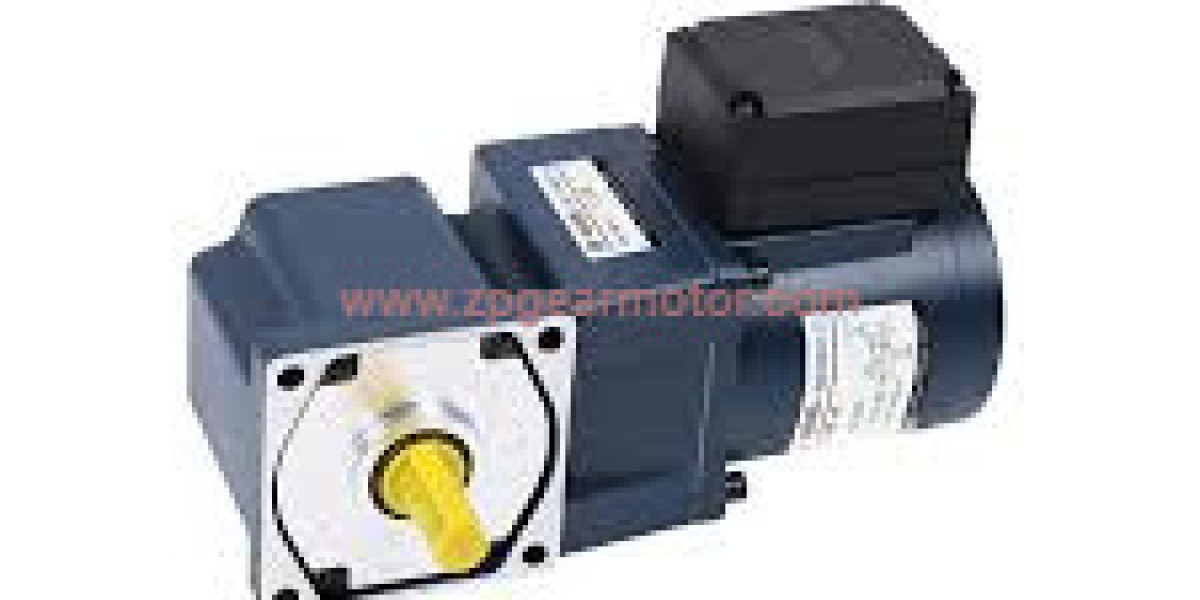
Industrial transmission equipment often operates for extended periods under changing loads, making routine maintenance an important part of equipment management. A High Efficiency Gear Reducer Motor combines an electric motor with a reduction mechanism to deliver the rotational speed and torque required by connected machinery. Although an efficient design supports effective power transmission, its long-term performance still depends on correct installation, suitable lubrication, reasonable loading, and timely inspection. For companies researching equipment through zpgearmotor, understanding these maintenance practices can help them plan routine care and manage operating requirements. Which maintenance measures deserve the greatest attention throughout the equipment's service life?
Lubrication and Internal Component Protection
Lubrication is one of the central elements of gear reducer maintenance because it helps control friction between moving surfaces, supports gear tooth protection, and assists with heat transfer. An unsuitable lubricant, insufficient oil, excessive filling, or contaminated fluid can interfere with normal operation and contribute to premature wear. The correct lubricant type and viscosity depend on the reducer design, operating speed, load, temperature, and installation position, so operators should always follow the product manual rather than applying a universal recommendation.
Routine checks should include the lubricant level, visible condition, and any signs of leakage around seals, joints, or plugs. If the fluid appears unusually dark, contains visible particles, or shows signs of contamination, the cause should be investigated instead of simply adding fresh lubricant. Water ingress, seal deterioration, and internal wear may require corrective action before the unit returns to normal service.
Oil replacement intervals should follow the manufacturer's instructions and account for the actual operating environment. Equipment exposed to high temperatures, heavy loads, frequent starts, or dusty surroundings may require closer monitoring than a lightly loaded unit in a clean facility. Operators should avoid mixing incompatible lubricant types and should use the specified filling procedure to maintain the intended operating condition. When the reducer uses grease lubrication or a specialized circulation system, maintenance must follow the instructions for that particular design.
Monitoring Temperature, Noise, and Vibration
Changes in operating temperature can provide useful information about the condition of a motor and gearbox assembly. Excessive heat may be associated with insufficient lubrication, unsuitable loading, restricted ventilation, alignment problems, or developing mechanical damage. Operators should understand the normal temperature range specified for their equipment and investigate unusual increases rather than relying on touch or appearance alone.
Keeping the housing and surrounding ventilation areas free from accumulated dust can support heat dissipation, provided cleaning is performed safely and according to the manufacturer's instructions. Maintenance personnel should also check whether nearby equipment blocks airflow or exposes the unit to an unusually hot environment. If temperature continues to rise despite normal external conditions, operation should be stopped when necessary and the equipment inspected by qualified personnel.
Noise and vibration deserve similar attention because changes in sound or movement may indicate loose fasteners, coupling misalignment, worn bearings, gear damage, or an unsuitable mounting foundation. A consistent inspection routine allows maintenance teams to compare current operating behavior with previous observations. Recording temperature readings, unusual sounds, vibration changes, and visible leakage can help technicians identify developing problems before they cause substantial disruption.
Installation, Loading, and Routine Inspection
Maintenance begins before the motor enters regular service. Correct installation helps the reducer operate under the conditions for which it was selected, while misalignment or an unstable mounting surface can introduce additional mechanical stress. Before commissioning, technicians should verify mounting security, shaft and coupling alignment, electrical connections, protective guards, and the lubrication condition required by the product manual.
The selected unit must also match the connected machine's actual requirements. Excessive loads, frequent abrupt starts, repeated reversals, and operation outside the specified duty conditions can increase stress on gears, shafts, bearings, and motor components. A system designed around the required output speed, torque, operating cycle, and installation arrangement is easier to maintain than equipment operating under unresolved mismatches.
During routine inspection, personnel should examine the housing, seals, fasteners, shaft connections, and visible wiring for signs of wear or damage. Any oil leakage should be investigated to determine its source, since repeatedly replenishing lost lubricant does not correct a damaged seal or another underlying problem. Electrical inspections and internal repairs should be handled by qualified technicians using the appropriate isolation and safety procedures.
Maintenance frequency should reflect operating hours, workload, environmental conditions, and the manufacturer's recommendations. A fixed calendar can provide a useful starting point, but equipment operating under demanding conditions may need a different inspection schedule from machinery used intermittently. Keeping a written maintenance record helps teams track recurring issues, document completed work, and plan replacement parts according to observed equipment condition.
Choosing Equipment with Maintenance in Mind
Maintenance planning is closely connected to purchasing decisions because the motor and reducer configuration affects installation, inspection access, lubrication requirements, and replacement procedures. Buyers should review rated power, output speed, torque, gear ratio, mounting dimensions, operating conditions, and available technical documentation before confirming a selection. Compatibility with the driven machine is particularly important because an unsuitable configuration may introduce unnecessary stress or require modifications during installation.
Purchasing teams should also ask suppliers about recommended maintenance intervals, lubricant specifications, inspection requirements, spare parts, and available technical assistance. Clear answers help operators prepare service plans and understand the responsibilities associated with equipment ownership. Where machinery operates continuously or supports time-sensitive production, access to relevant product documentation and replacement components can be an important part of maintenance planning.
For industrial users seeking a High Efficiency Gear Reducer Motor, zpgearmotor offers an online starting point for reviewing product information and identifying configurations for further evaluation. Visit https://www.zpgearmotor.com/product to examine the available resources, then share the intended application, required output speed, torque conditions, mounting details, and operating environment with the supplier. This information can support a focused discussion about product compatibility, routine service requirements, and the technical details needed for a practical purchasing decision.