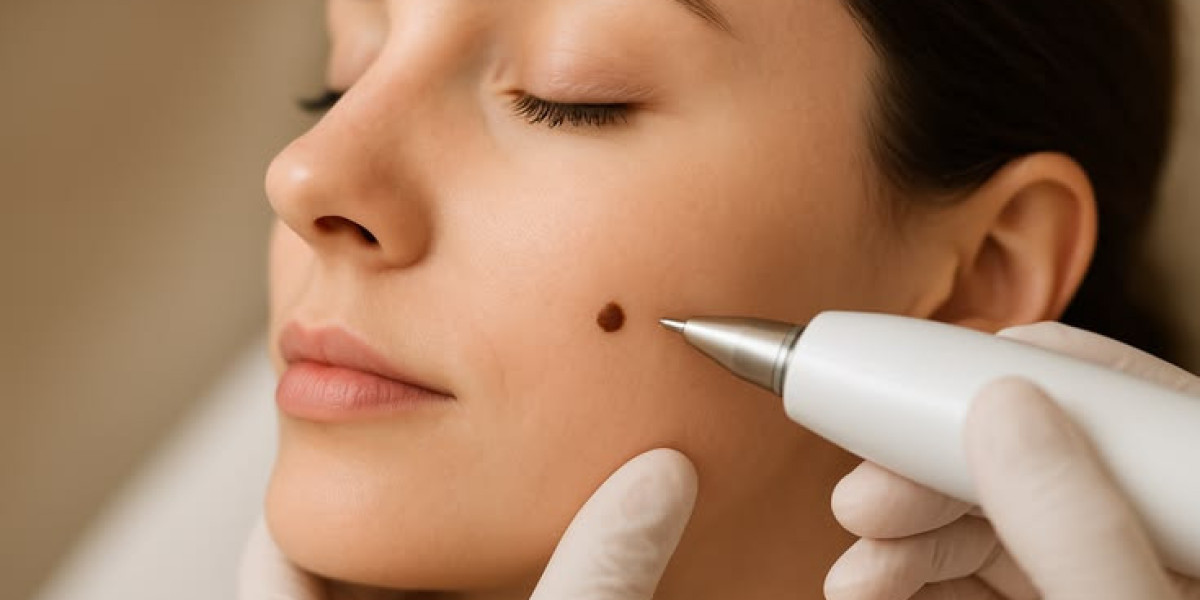

Moles are common skin growths that can appear on the face, neck, arms, back, and other parts of the body. While many moles are harmless, some people consider removal because of cosmetic concerns, repeated irritation, or changes that require medical evaluation. Understanding how mole removal works can help patients prepare for a consultation and make informed decisions about their skin.
Mole removal treatment in Islamabad allows patients to discuss their concerns with a qualified healthcare professional and explore appropriate treatment options. The recommended procedure depends on the mole's size, depth, location, appearance, and medical characteristics. Learning about the process, potential risks, and recovery requirements can help patients develop realistic expectations before proceeding.
What Is Mole Removal?
Mole removal is a medical procedure used to remove a mole for cosmetic or medical reasons. Some patients seek treatment because a mole is prominent or frequently irritated, while others need assessment because it has developed unusual features.
Not every mole needs to be removed. A clinician may recommend monitoring a harmless mole or investigating it further if there are concerning changes. Changes in size, shape, or color, irregular borders, persistent itching, or bleeding should be assessed promptly.
When a mole appears suspicious, the healthcare professional may recommend a biopsy or a removal method that allows the tissue to be examined in a laboratory. Medical evaluation should always come before cosmetic treatment.
Why Do People Consider Mole Removal?
People choose to discuss mole removal for several reasons. A mole on the face may affect personal confidence, while a raised mole on the neck or body may catch on clothing or become irritated during shaving.
Common reasons include:
Cosmetic concerns: A prominent mole may draw attention to a particular area.
Repeated irritation: Friction from clothing or shaving can make some moles uncomfortable.
Medical evaluation: Changes in a mole may require further investigation.
Personal preference: Some people wish to explore removal after understanding the possible benefits and risks.
The decision should be made after a professional assessment, with clear information about the expected outcome and potential complications.
Common Mole Removal Procedures
Different procedures are available, but the most suitable option depends on the mole's characteristics and whether laboratory testing is necessary.
Surgical Excision
Surgical excision involves removing the mole and, when necessary, a small amount of surrounding tissue. Stitches may be used depending on the size and depth of the wound.
This method can be appropriate when complete removal or laboratory examination is important. The removed tissue may be sent for testing when indicated. A scar can develop, and the clinician should explain the likely healing process before treatment.
Shave Removal
Shave removal involves using a suitable surgical instrument to remove certain raised moles closer to the skin's surface. It may be suitable for selected lesions after examination.
This method is not appropriate for every mole. Some moles may regrow after removal, and scarring or pigmentation changes can occur. The clinician must determine whether a deeper or more complete removal is necessary.
Laser Treatment
Laser treatment may be considered for certain superficial skin lesions, but it is not suitable for every mole. Some laser techniques destroy tissue that might otherwise be needed for laboratory examination.
A mole with suspicious features should be medically assessed before any cosmetic laser procedure. Your healthcare professional can explain whether laser treatment is appropriate or whether another method would be safer.
What Happens During a Mole Removal Consultation?
The process usually begins with an examination of the mole and a discussion of the patient's concerns. The clinician may ask when the mole appeared, whether it has changed, and whether it causes discomfort.
You should mention any relevant medical conditions, allergies, medications, previous skin procedures, or history of raised scars. This information helps the clinician assess risks and plan suitable treatment.
Once the assessment is complete, the clinician explains the recommended procedure, expected recovery, possible complications, and whether a laboratory examination is needed. Patients should have the opportunity to ask questions before agreeing to treatment.
How to Prepare for Mole Removal
Preparation depends on the chosen method and your medical history. Before the appointment, ask whether local anesthesia will be used and whether you need to follow any specific instructions.
Tell your clinician about all medications and supplements you take. Do not stop prescribed medication unless you are advised to do so. Ask about costs, wound care, possible scarring, and follow-up arrangements.
Avoid cutting, burning, or applying unregulated chemicals to a mole at home. These methods can cause infection, skin damage, scarring, and delays in diagnosing a serious skin condition.
Recovery After Mole Removal
After the procedure, the treated area may be tender, red, or slightly swollen. Some procedures require a dressing or stitches, while others leave a smaller wound. Healing time varies according to the method, location, and individual skin response.
Your clinician will explain how to clean the area and whether a dressing or recommended ointment is needed. Avoid picking or scratching the wound, and protect healing skin from excessive sun exposure.
Contact your healthcare professional if you notice increasing pain, spreading redness, pus, fever, or bleeding that does not stop with the recommended measures. Attend follow-up appointments, particularly if stitches need removal or laboratory results must be reviewed.
Choosing Mole Removal Treatment in Islamabad
When considering Mole removal treatment in Islamabad, select a qualified healthcare professional who examines the mole before recommending a procedure. Ask about the provider's qualifications, available methods, potential risks, expected scarring, and whether tissue testing is necessary.
A responsible provider will explain both the benefits and limitations of treatment. The aim is to select an appropriate method based on medical findings while taking your personal concerns into account.
Conclusion
Understanding mole removal procedures can help patients feel more prepared and confident when discussing treatment. Surgical excision, shave removal, and selected approaches such as laser treatment may be considered depending on the mole's characteristics and clinical assessment.
Professional evaluation, appropriate technique selection, and careful aftercare are essential. By asking questions and maintaining realistic expectations, patients can make informed decisions that prioritize their skin health and individual needs.
Frequently Asked Questions
1. Is mole removal a complicated procedure?
Many mole removal procedures are relatively straightforward, but the complexity depends on the mole's size, depth, location, and medical characteristics. A qualified professional can explain what to expect.
2. Can all moles be removed with the same method?
No. The appropriate method depends on the mole's appearance, depth, and whether tissue examination is needed. A professional assessment helps determine the most suitable approach.
3. Will mole removal leave a scar?
Scarring is possible after mole removal. The appearance of the scar depends on the technique, the mole's location and depth, and individual healing.
4. How do I arrange Mole removal treatment in Islamabad?
Consult a qualified healthcare professional who can assess the mole, recommend an appropriate procedure, explain the risks and recovery process, and provide clear aftercare guidance.
For more information visit Enfield royal clinic in islamabad