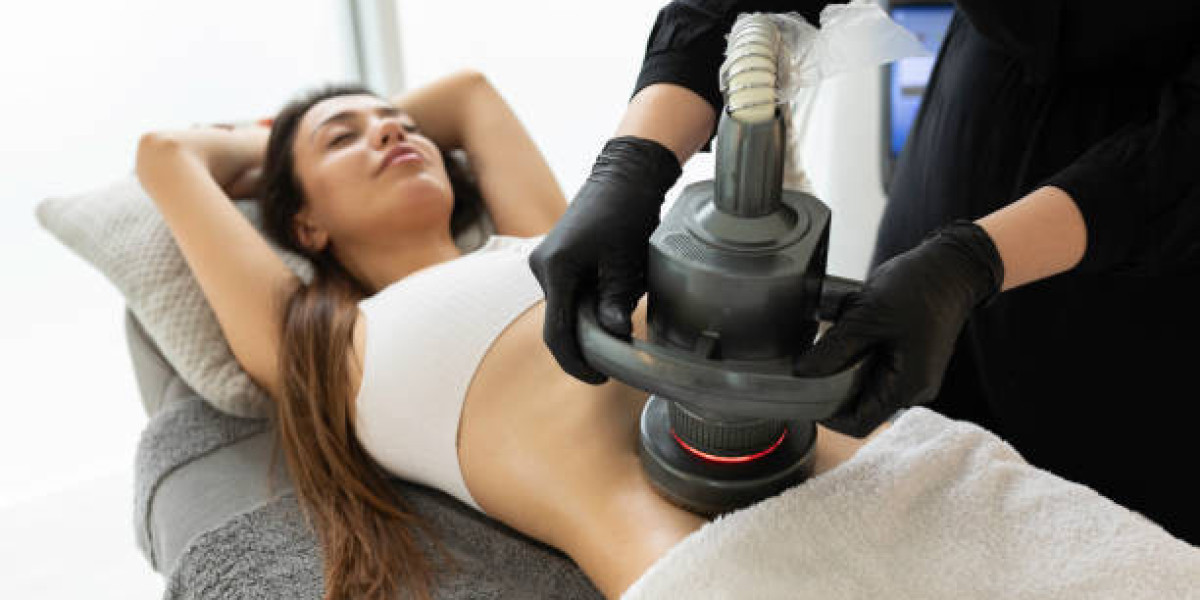

Choosing the right aesthetic treatment begins with understanding your skin concerns, medical history, and desired results. Venus Legacy is a non-invasive treatment designed to improve the appearance of mild skin laxity, cellulite, and selected body contours. It combines multipolar radiofrequency with pulsed electromagnetic fields to deliver controlled energy to targeted tissues. For people considering Venus Legacy in Riyadh (فينوس ليجاسي في الرياض), knowing who may benefit from the treatment can help them decide whether it is suitable for their individual needs.
What Is Venus Legacy Treatment?
Venus Legacy is an energy-based aesthetic treatment used for selected facial and body concerns. It creates controlled heating in targeted tissues, which may support collagen remodeling and improve the appearance of skin firmness over time.
Depending on the device applicator and professional assessment, treatment may be considered for areas such as the face, neck, abdomen, thighs, arms, and buttocks. It does not involve surgical incisions, and most people can return to their normal activities soon afterward.
However, Venus Legacy is intended for gradual cosmetic improvement rather than substantial weight loss or the removal of significant excess skin. Results vary, so a consultation is important before starting.
Who Is the Best Candidate for Venus Legacy?
The most suitable candidate is generally an adult who has realistic expectations and wants modest improvements in skin appearance without surgery. Suitability depends on individual circumstances rather than age or gender alone.
People With Mild Skin Laxity
Adults experiencing mild skin looseness may consider Venus Legacy to help improve the appearance of firmness. Radiofrequency heating may support collagen remodeling, although it cannot guarantee a noticeable tightening effect for everyone.
People with substantial excess skin, particularly after major weight loss, may need to discuss other options with a qualified healthcare professional.
People Concerned About Cellulite
Venus Legacy may help make the appearance of cellulite less noticeable in some individuals. It may be considered for selected areas such as the thighs and buttocks, depending on the device and practitioner's assessment.
Cellulite is influenced by connective tissue structure, hormones, genetics, and body composition. Therefore, the treatment cannot guarantee complete or permanent removal.
People Seeking Modest Body Contouring
Adults who are near a stable weight and want modest improvements in selected body contours may be candidates. Treatment may be considered for areas such as the abdomen, thighs, upper arms, or flanks.
Venus Legacy is not a weight-loss treatment and should not be used as a substitute for balanced nutrition, physical activity, or medically appropriate weight-management support.
People Who Prefer a Non-Surgical Option
Some individuals prefer non-invasive treatments because they want to avoid surgical incisions and extended recovery. Venus Legacy may suit people seeking gradual cosmetic improvement with minimal downtime.
However, non-invasive does not mean risk-free. The provider should explain possible side effects and review relevant contraindications before treatment.
People With Realistic Expectations
A suitable candidate understands that results can be subtle and may require multiple sessions. They recognize that Venus Legacy cannot reliably remove substantial excess skin, eliminate all cellulite, or create dramatic body changes.
People who understand these limitations are better positioned to make an informed decision about whether the treatment matches their goals.
Who May Not Be Suitable for Venus Legacy?
Venus Legacy is not appropriate for everyone. Certain medical circumstances may require treatment to be postponed or avoided, depending on the device instructions and the practitioner's assessment.
People With Certain Implanted Devices
Individuals with implanted electronic devices, such as pacemakers or other relevant implants, should disclose this information before considering treatment. The practitioner must assess device-specific safety guidance and determine whether treatment is contraindicated.
People With Metal Implants in the Treatment Area
Metal implants in or near the intended treatment area may affect suitability. Always inform your practitioner about implants and previous surgery so they can assess the relevant precautions.
People With Active Skin Problems
Active irritation, infection, wounds, or other skin conditions in the proposed treatment area may require treatment to be delayed until the skin has recovered.
Pregnant Individuals
Venus Legacy is generally avoided during pregnancy as a precaution. Anyone who is pregnant or thinks they may be pregnant should discuss this with a healthcare professional before considering treatment.
People Expecting Major Weight Loss or Skin Removal
Venus Legacy is not designed to produce substantial weight loss or remove large amounts of loose skin. People with these concerns may benefit more from a discussion of alternative approaches with a qualified professional.
What Factors Determine Your Suitability?
A professional consultation helps establish whether Venus Legacy is appropriate for your circumstances. Your specialist may consider:
Skin condition: The degree of laxity, texture concerns, and overall skin quality.
Treatment area: The body or facial area you want to address and whether the applicator is suitable.
Medical history: Existing conditions, implanted devices, medications, and previous procedures.
Aesthetic goals: Whether your expectations match the treatment's likely benefits.
Lifestyle and weight stability: These factors may influence body contour and how results appear over time.
A responsible practitioner should explain both the possible benefits and the limitations before recommending a treatment plan.
What Should You Expect During the Consultation?
During an initial consultation, the practitioner discusses your concerns, reviews your medical history, and examines the proposed treatment area. They should explain how the technology works, the number of sessions that may be recommended, and the potential side effects.
During treatment, most people experience a warming sensation. Temporary redness, warmth, tenderness, or mild swelling may occur afterward. Your provider should give you aftercare instructions and explain when to seek medical advice if unexpected symptoms develop.
You should feel comfortable asking questions and taking time to consider your options before agreeing to treatment.
Book a Consultation at Royal Clinic Saudia
If you are considering Venus Legacy in Riyadh, Royal Clinic Saudia (عيادات رويال كلينك) can help you discuss your aesthetic concerns and determine whether the treatment may be appropriate. Ask about your suitability, realistic expectations, possible side effects, and alternative options. An individualized assessment can help you make an informed decision based on your skin condition and treatment goals.
FAQs:
Is Venus Legacy suitable for both men and women?
Yes. Both men and women may be suitable candidates. The main considerations are their skin condition, medical history, treatment goals, and the practitioner's assessment.
Can younger adults receive Venus Legacy treatment?
Age alone does not determine suitability. The practitioner should assess the person's concerns, medical history, and expectations before recommending treatment.
Is Venus Legacy suitable after weight loss?
It may help with mild skin laxity, but it is unlikely to address significant excess skin after major weight loss. A qualified professional can discuss alternative options when necessary.
How can I know if Venus Legacy is right for me?
Arrange a consultation with a qualified practitioner who can review your medical history, examine the treatment area, and explain the likely benefits, limitations, and alternatives.