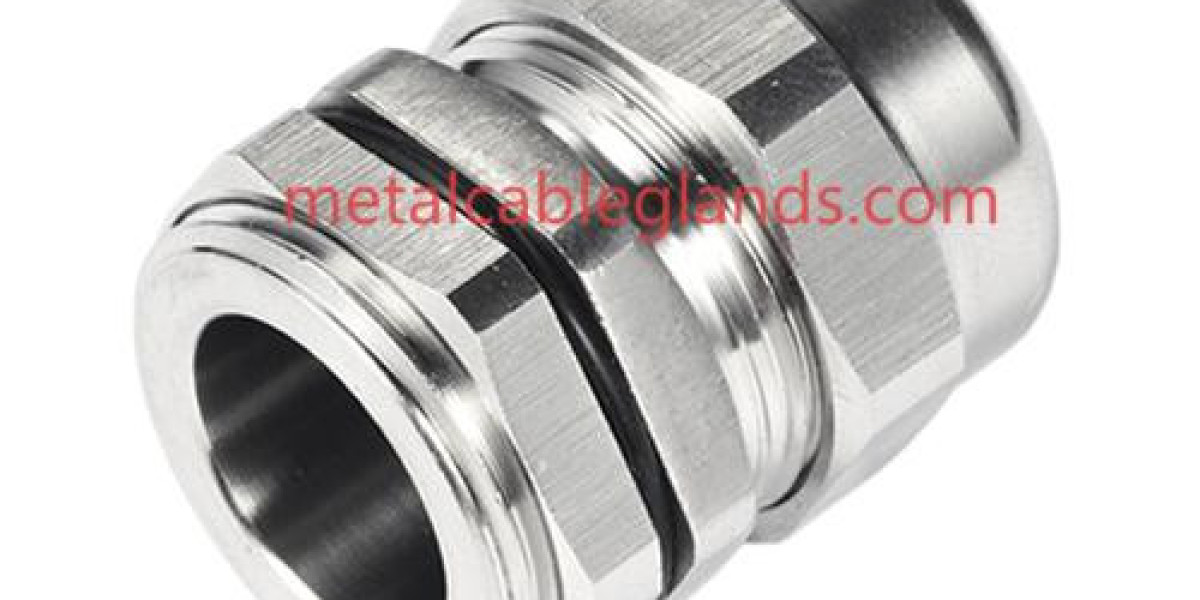

When electrical equipment requires different thread sizes, a Cable Gland Reducer can help installers adapt connections without redesigning an entire enclosure, while a Cable Gland Adapter provides another option for addressing specific connection requirements. Choosing a suitable Cable Gland Reducer involves checking dimensions, thread standards, and installation conditions, while selecting the right Cable Gland Adapter can help engineers create a more practical layout for control cabinets, industrial machinery, and electrical distribution systems.
Plan Connections Before Equipment Assembly
A successful electrical installation starts with accurate measurements and a clear understanding of the components involved. Enclosures, cable glands, and connection accessories may use different thread sizes or standards, especially when equipment comes from multiple manufacturers or is updated over time.
A reducer can help accommodate a smaller threaded component in a larger compatible opening. This can be useful during equipment upgrades, replacement projects, and the assembly of customized electrical cabinets. However, the accessory must match the actual thread specifications and intended installation arrangement.
Before ordering, identify the enclosure thread, the gland connection size, and the available installation space. Check whether the design requires additional sealing components, a locknut, or another mounting accessory. Providing these details to the supplier can reduce the chance of receiving a part that looks correct but cannot be installed properly.
Planning ahead also makes purchasing more efficient. Instead of ordering several similar components and testing them on site, installers can narrow their choices using precise technical information.
Compare Materials and Thread Specifications
Cable gland reducers are available in different materials and thread configurations to suit varying installation requirements. Common material options include nickel-plated brass, stainless steel, and certain engineering plastics. The appropriate choice depends on factors such as mechanical demands, exposure to moisture, corrosion risks, and the surrounding environment.
Thread compatibility deserves equal attention. Metric, PG, NPT, and G threads are not interchangeable simply because their dimensions appear similar. Buyers should verify the thread type, nominal size, and relevant specifications before confirming an order.
Material selection should also reflect the operating conditions. Stainless steel may be considered for environments where corrosion resistance is important, while nickel-plated brass can suit many general industrial applications. Plastic options may be appropriate for particular installations when their mechanical and environmental ratings meet the requirements.
For projects involving outdoor exposure, dust, moisture, vibration, or hazardous locations, confirm the requirements for the complete installed assembly. Do not assume a reducer automatically maintains a cable gland's original ingress protection or certification.
Reviewing the technical datasheet is a simple but important step toward making a well-informed choice.
Improve Maintenance and Future Upgrades
Electrical systems often change as machinery is replaced, control panels are modified, or production lines expand. A connection accessory that accommodates compatible thread sizes can provide additional flexibility when existing equipment needs to work with a different component.
For maintenance teams, the main benefit is having a practical option to consider before modifying an enclosure or replacing an otherwise suitable part. The right solution depends on the equipment design, applicable electrical standards, and the manufacturer's installation instructions.
Keeping accurate records of installed components can make future maintenance easier. Document thread sizes, material specifications, product references, and any sealing requirements. When replacement parts are needed, these records help technicians identify the correct configuration more quickly.
It is also important to inspect the completed connection during installation. Check that threads engage correctly, components are tightened according to the manufacturer's guidance, and seals are installed where required. Avoid forcing incompatible threads together, as this can damage components and compromise the connection.
A little preparation can save time during commissioning and reduce avoidable rework during later upgrades.
Choose Suitable Products With Metalcableglands
For contractors, distributors, and equipment manufacturers, a reliable sourcing process starts with clear product information. Suppliers should be able to provide relevant dimensions, thread configurations, material options, and technical documentation to support product selection.
Before requesting a quotation, prepare a concise list of requirements, including the external and internal thread sizes, preferred material, estimated quantity, and operating environment. If the project involves specialized machinery or demanding conditions, explain those requirements so the supplier can identify potentially suitable options.
It is also worth checking availability, packaging quantities, customization possibilities, and delivery schedules. These details matter when several types of accessories must be purchased for one installation or when production depends on receiving components on time.
For repeat orders, maintaining consistent specifications can simplify purchasing and help avoid accidental substitutions. Buyers should confirm any proposed changes before accepting a different product configuration.
The goal is not simply to find a reducer that fits. It is to select a component that matches the connection requirements, suits the installation environment, and supports the reliability of the complete electrical assembly.
Find the Right Fit for Your Project
Choosing a cable gland reducer becomes much easier when technical requirements are established before purchasing. Start with the thread specifications, compare suitable materials, and confirm any sealing or protection requirements that apply to the finished installation.
For businesses sourcing accessories in volume, supplier communication and product consistency deserve attention alongside price. Clear specifications help reduce ordering errors, while accurate technical information makes it easier for installers to prepare for assembly.
Whether you are updating an existing control cabinet, assembling industrial machinery, or sourcing components for a new electrical project, careful selection can help keep installation work organized and predictable.Explore cable connection accessories and related products at https://www.metalcableglands.com/ to compare available options and identify products that align with your project specifications.