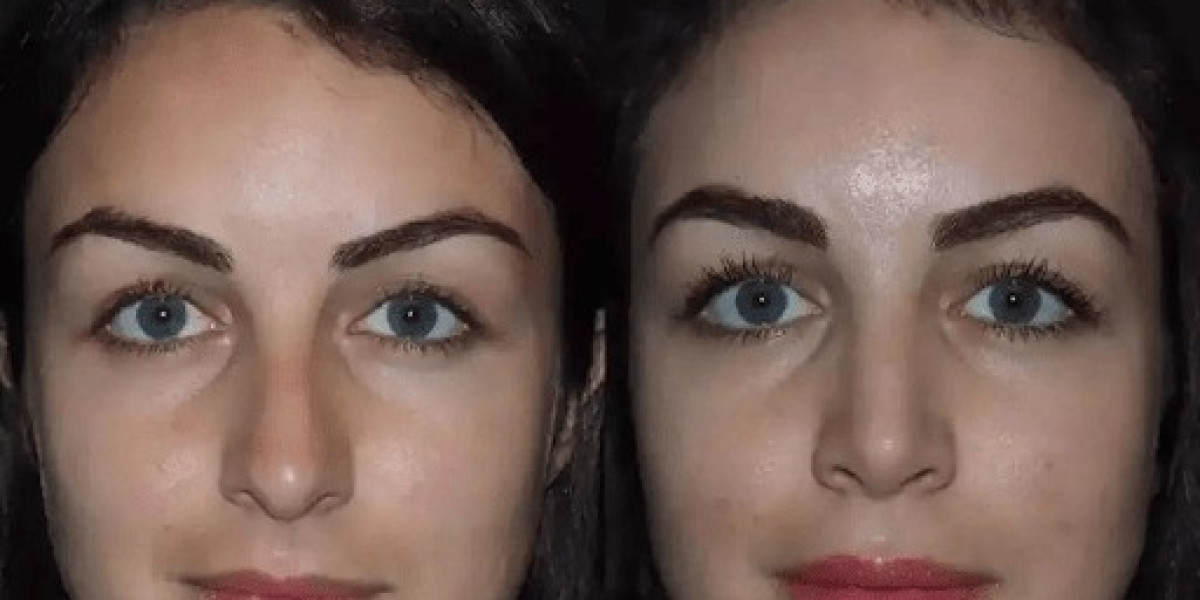

Understanding the internal structure of the nose is an essential step in diagnosing a deviated nasal septum and determining the appropriate treatment. Septoplasty in Dubai is a surgical procedure designed to correct a deviated septum, the wall of cartilage and bone that separates the two nasal passages. When this structure significantly narrows the nasal airway, it may contribute to persistent congestion, difficulty breathing through the nose, or reduced airflow on one side.
At Perfect Doctors Clinic, patients considering nasal septum correction can learn about the assessment process, treatment options, and factors that influence surgical planning. A detailed evaluation helps identify the location and severity of the deviation and whether surgery may be appropriate.
This article explains how surgeons assess nasal structure, what patients can expect during a consultation, how to evaluate the best septoplasty surgeon in Dubai, and what to understand before proceeding with treatment.
What Is Septoplasty in Dubai?
Septoplasty in Dubai refers to surgery intended to straighten or reposition a deviated nasal septum to improve airflow. The septum contains cartilage at the front and bone farther inside the nose. When it is significantly bent or displaced, it can reduce the space available for air to pass through one or both nasal passages.
A deviated septum may develop naturally or occur following an injury. However, not everyone with a deviation experiences symptoms or requires surgery. Treatment decisions depend on the patient's breathing concerns, examination findings, medical history, and response to other treatments.
Common Symptoms of a Deviated Nasal Septum
A deviated septum may be associated with:
Persistent nasal blockage on one or both sides.
Difficulty breathing comfortably through the nose.
A feeling that one nostril is more restricted than the other.
Nasal congestion that becomes more noticeable when lying down.
Noisy breathing during sleep in some individuals.
Ongoing nasal discomfort associated with restricted airflow.
These symptoms may also occur because of allergies, inflammation, enlarged nasal turbinates, or other conditions. A proper examination is therefore necessary to identify the likely cause.
How Surgeons Assess Nasal Structure Before Septoplasty Surgery in Dubai
A comprehensive examination helps determine whether the nasal septum is contributing to breathing difficulties. Septoplasty surgery in Dubai should be planned according to the patient's anatomy and symptoms rather than based on nasal blockage alone.
Reviewing Medical History and Breathing Symptoms
The assessment usually begins with questions about the patient's symptoms, when they started, and whether they affect one or both sides of the nose. The clinician may also ask whether the obstruction changes throughout the day or becomes more noticeable during sleep.
Previous nasal injuries, earlier operations, allergies, medications, and other health conditions may also be relevant. This information helps the surgeon understand the patient's concerns and identify factors that may influence treatment.
Examining the External Nose
The external examination considers the shape, alignment, and symmetry of the nose. The clinician may look for signs of previous injury or structural differences that could be relevant to the internal anatomy.
Although septoplasty mainly treats the internal septum, external nasal structure can provide useful information during the assessment. Patients who also want to change the external appearance of their nose should discuss this separately because septoplasty alone is not primarily a cosmetic procedure.
Inspecting the Internal Nasal Passages
An internal examination allows the clinician to assess the septum's position and the space available for airflow. The examination may reveal whether the septum bends toward one side, where the deviation occurs, and whether other structures are contributing to obstruction.
The nasal turbinates may also be assessed because enlargement of these structures can reduce the space available for airflow. In selected cases, a nasal endoscope may help the clinician obtain a more detailed view of the internal passages.
Nasal Septum Correction in Dubai: Identifying the Severity of Deviation
Nasal septum correction in Dubai begins with understanding how the septum's position affects nasal airflow. A mild deviation may not cause significant symptoms, while a more pronounced deviation may contribute to persistent obstruction.
Surgeons consider the location, shape, and extent of the deviation alongside the patient's symptoms. They also assess whether allergies, inflammation, enlarged turbinates, or other anatomical concerns may be contributing to the problem.
The visible degree of deviation does not always correspond directly to symptom severity. Some people with a noticeable deviation breathe comfortably, while others experience considerable obstruction because of several contributing factors.
The purpose of the assessment is to determine whether the septum is a significant cause of the problem and whether surgery is likely to provide meaningful improvement.
Best septoplasty surgeon in Dubai: Choosing the Right Specialist
Choosing the best septoplasty surgeon in Dubai is an important step for patients considering treatment for a deviated nasal septum. The decision should be based on relevant medical qualifications, experience with septoplasty, the quality of the nasal assessment, and clear communication about the proposed procedure.
Rather than relying only on promotional claims, patients should ask how the surgeon reached the diagnosis, why a particular approach is recommended, and what results may realistically be expected.
Qualifications and Relevant Experience
When evaluating the best septoplasty surgeon in Dubai, ask about the practitioner's medical qualifications, professional registration, and experience assessing and treating deviated nasal septums.
It is also useful to discuss whether the surgeon regularly treats cases similar to yours. The needs of a patient with a straightforward deviation may differ from those of someone with a previous nasal injury or earlier nasal surgery.
Understanding the Proposed Treatment Plan
A suitable consultation should explain the location of the deviation, its relationship to the patient's symptoms, and the available treatment approaches. The surgeon should also discuss the limitations of surgery and whether other conditions may continue to affect breathing.
The phrase best septoplasty surgeons in dubai is commonly used during online research, but a search ranking alone cannot establish which practitioner is most appropriate for an individual. Patients should verify credentials and consider the complete consultation experience before making a decision.
At Perfect Doctors Clinic, prospective patients can discuss their nasal concerns and seek clarification about assessment and treatment planning before deciding whether to proceed.
Septoplasty Treatment Options in Dubai
Septoplasty treatment options in Dubai depend on the cause of nasal obstruction, the severity of the deviation, and the patient's overall clinical assessment. Not every deviated septum requires surgery.
Non-Surgical Management
When nasal blockage is partly caused by allergies or inflammation, a clinician may recommend appropriate medical treatment. Depending on the cause, this may include allergy management or prescribed nasal medication.
These treatments do not straighten a structurally deviated septum, but they may reduce symptoms when inflammation is contributing to the obstruction.
Surgical Septum Correction
When the deviation is considered a significant cause of persistent nasal obstruction, septoplasty may be recommended. During the procedure, selected portions of cartilage or bone may be adjusted or repositioned to improve the space available for airflow.
The surgical technique depends on the patient's anatomy and the location of the deviation. The objective is to improve nasal function while maintaining appropriate structural support.
When Additional Procedures May Be Considered
Some patients have more than one structural concern. Enlarged turbinates or external nasal abnormalities may also contribute to breathing difficulties.
If an additional procedure is being considered, the surgeon should explain its purpose, potential benefits, limitations, and recovery requirements. Patients should understand which concerns will be addressed by septoplasty and which may require separate treatment.
Septoplasty Consultation in Dubai: What Patients Should Expect
A Septoplasty consultation in Dubai gives patients an opportunity to discuss their symptoms, understand their nasal anatomy, and learn about the proposed treatment plan.
During the consultation, explain whether the obstruction affects one or both nostrils, whether you have experienced nasal injuries, and whether you have undergone any previous nasal procedures. Share information about allergies, medications, and relevant health conditions.
Consider asking the following questions:
What is causing my nasal obstruction?
How much does the deviated septum contribute to my symptoms?
Are non-surgical treatments appropriate in my situation?
Which surgical technique may be recommended?
Could other nasal structures be affecting airflow?
What should I expect during recovery?
What does the total treatment fee include?
A clear discussion helps patients understand the reasoning behind the proposed treatment and decide whether it matches their needs.
Septoplasty Cost in Dubai: Understanding the Price
Septoplasty cost in Dubai may vary according to the complexity of the deviation, the surgical approach, professional fees, anesthesia, facility arrangements, and the care included before and after the procedure.
When researching Septoplasty cost in Dubai, patients should request a personalized quotation rather than assume that one price applies to every case. A clear quotation can help explain which services are included and whether additional charges may apply.
What Should the Quotation Include?
Ask whether the quoted fee covers:
The surgeon's professional fee.
Anesthesia and operating facility charges.
Preoperative consultations and assessments.
Necessary investigations, where applicable.
Prescribed medication and postoperative care.
Scheduled follow-up appointments.
Patients comparing the Septoplasty Dubai price should consider the proposed treatment plan, relevant qualifications, and follow-up arrangements alongside the cost. The lowest price does not necessarily represent the most suitable option for every patient.
Septoplasty Recovery in Dubai: What to Expect After Surgery
Septoplasty recovery in Dubai varies depending on the procedure and the individual's healing process. Temporary nasal congestion, swelling, and discomfort may occur during the early recovery period.
Patients should follow their surgeon's instructions about nasal care, prescribed medication, physical activity, and follow-up appointments. Avoid manipulating the nose or using products inside the nasal passages unless the care team advises that they are appropriate.
Breathing may not improve immediately because swelling and internal healing can temporarily affect airflow. Patients should allow sufficient time for recovery and attend recommended follow-up visits.
If symptoms become significantly worse or unexpected concerns arise, contact the medical team for appropriate guidance.
Septoplasty Before and After Results: Measuring Improvement
Septoplasty before and after results are generally evaluated by considering nasal airflow, the patient's original symptoms, and findings from follow-up examinations. The primary goal is to improve nasal function rather than guarantee a change in external appearance.
The degree of improvement varies between patients. Allergies, sinus conditions, and other anatomical factors may continue to influence breathing even after the septum has been corrected.
A surgeon can explain the expected outcome based on the examination and discuss any limitations before treatment. Realistic expectations are an important part of making an informed decision.
Septoplasty Benefits in Dubai: Why Assessment Matters
Potential Septoplasty benefits in Dubai include improved nasal airflow when a deviated septum is a significant cause of obstruction. Better airflow may make nasal breathing more comfortable for suitable patients.
However, the outcome depends on the underlying cause of the symptoms and whether other conditions are present. A careful assessment helps establish realistic goals and determine whether septoplasty is an appropriate option.
Patients should understand that surgery cannot guarantee the resolution of every nasal or sinus symptom. A personalized treatment plan is therefore essential.
Perfect Doctors Clinic for Septoplasty in Dubai
Patients researching Perfect Doctors Clinic for Septoplasty in Dubai should focus on understanding the consultation process, proposed treatment, and arrangements for postoperative care. Clear communication helps patients understand what the procedure is intended to achieve and what recovery may involve.
Patients may also encounter the phrase Dr Perfect Celebrity while researching septoplasty. Before proceeding with treatment, confirm the treating professional's identity, qualifications, and role in the procedure. Search terms and promotional descriptions should not replace verification of professional credentials.
Whether you are researching Septoplasty specialists in Dubai or considering Nose surgery in Dubai, the decision should be based on an appropriate clinical assessment, transparent information, and realistic expectations.
Conclusion
Assessing nasal structure is a central step in planning Septoplasty in Dubai. By reviewing symptoms, examining the external nose, inspecting the internal nasal passages, and identifying other possible causes of obstruction, surgeons can determine whether a deviated septum is contributing to breathing difficulties.
Patients should understand their treatment options, evaluate the best septoplasty surgeon in Dubai carefully, review Septoplasty cost in Dubai, and prepare for recovery before making a decision. At Perfect Doctors Clinic, prospective patients can seek information about nasal assessment and the considerations involved in septoplasty planning.
A detailed evaluation and clear communication can help patients make informed decisions about nasal septum correction and understand what the procedure may realistically achieve.
Frequently Asked Questions
1. What is Septoplasty in Dubai?
Septoplasty in Dubai is surgery intended to straighten or reposition a deviated nasal septum to improve airflow. It is primarily a functional procedure, and suitability depends on the patient's symptoms and nasal examination.
2. How do surgeons assess a deviated septum?
Surgeons review medical history and symptoms, examine the external nose, and inspect the internal nasal passages. A nasal endoscope or additional investigation may be used when clinically appropriate.
3. Who is the best septoplasty surgeon in Dubai?
The best septoplasty surgeon in Dubai for an individual patient is one whose relevant qualifications, experience, assessment, and treatment recommendations suit the patient's needs. Patients should verify credentials and discuss the proposed procedure during a consultation.
4. Is surgery necessary for every deviated septum?
No. A deviated septum does not always cause symptoms. Surgery may be considered when the deviation contributes to persistent obstruction and other appropriate treatment options have been evaluated.
5. What affects Septoplasty cost in Dubai?
Septoplasty cost in Dubai may depend on the complexity of the procedure, professional fees, anesthesia, facility arrangements, preoperative assessments, and follow-up care. Patients should request a clear, personalized quotation.
6. What is involved in Septoplasty recovery in Dubai?
Septoplasty recovery in Dubai involves following postoperative instructions, attending follow-up appointments, and allowing time for internal healing. Temporary congestion and swelling may occur, and breathing may improve gradually.
7. Does septoplasty change the external appearance of the nose?
Septoplasty primarily addresses internal nasal structures and is not intended to change the external shape of the nose. Any anticipated external changes should be discussed with the surgeon before treatment.
8. What are the benefits of septoplasty?
Potential benefits include improved nasal airflow when a deviated septum is a significant cause of obstruction. The degree of improvement depends on the patient's anatomy and other contributing conditions.
9. What should I ask during a Septoplasty consultation in Dubai?
Ask about the cause of your symptoms, the severity of the deviation, available treatment options, the proposed surgical approach, recovery expectations, follow-up care, and the total cost.
10. How are Septoplasty before and after results evaluated?
Septoplasty before and after results are evaluated by reviewing symptoms, nasal airflow, and follow-up examination findings. Improvement varies, and other conditions affecting the nose may influence the final outcome.