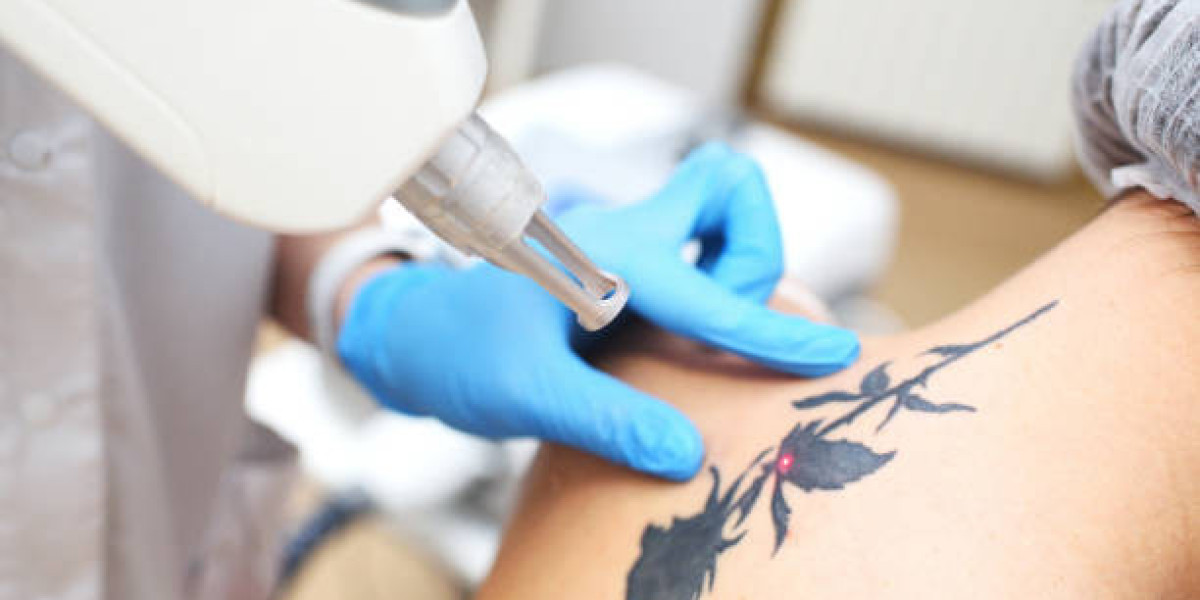

Modern laser technology offers an effective approach to fading or removing unwanted tattoos by targeting the ink beneath the skin. Understanding the available technologies can help you make an informed decision about your treatment options.
Laser Tattoo Removal in Riyadh has become an option for individuals seeking professional tattoo removal using modern aesthetic technologies. Different laser systems work with specific wavelengths to target tattoo pigments, making it important to understand how each technology works, which ink colors it can address, and what factors influence treatment outcomes. Learning about these differences can help you prepare for a consultation and choose an approach suited to your skin and tattoo.
How Does Laser Tattoo Removal Work?
Laser tattoo removal uses concentrated pulses of light to break tattoo ink into smaller particles beneath the skin. The body's natural processes gradually eliminate some of these fragmented particles over time. Because tattoo inks contain different pigments, the effectiveness of treatment depends on the laser wavelength, ink color, tattoo depth, and individual skin characteristics.
Treatment generally requires multiple sessions rather than a single appointment. Sessions are spaced apart to allow the skin to recover and the body to process fragmented ink. A qualified professional assesses the tattoo and recommends an appropriate treatment plan based on its characteristics and the patient's medical history.
Different Types of Tattoo Removal Laser Technologies
Q-Switched Lasers
Q-switched lasers have been widely used for tattoo removal because they deliver high-energy pulses over extremely short periods. These pulses help break down tattoo pigments while limiting the duration of energy exposure to surrounding tissues.
Different Q-switched systems use different wavelengths. Nd lasers, for example, can operate at 1064 nm and 532 nm. The 1064 nm wavelength is commonly used for black and dark blue pigments, while 532 nm can target certain red, orange, and other lighter warm-colored pigments. The most suitable wavelength depends on the tattoo and the individual's skin tone.
Picosecond Lasers
Picosecond lasers deliver energy in pulses measured in trillionths of a second. Their extremely short pulse duration can help fragment tattoo ink into smaller particles, potentially improving the removal of certain stubborn pigments.
These systems may be useful for multicolored tattoos and some inks that respond less readily to traditional laser treatments. However, results vary depending on the pigment, tattoo age, ink density, and laser settings. Picosecond technology does not guarantee complete removal, and several sessions may still be necessary.
Nd Laser Technology
Nd laser technology is commonly used in tattoo removal because it offers wavelengths that can target different ink colors. Its 1064 nm wavelength penetrates relatively deeply and is frequently used for dark pigments, while its frequency-doubled 532 nm wavelength can address selected red and orange pigments.
The appropriate settings must be selected carefully, particularly for darker skin tones, to reduce the risk of burns and unwanted pigmentation changes. A professional assessment helps determine whether this technology is suitable for the tattoo and skin type.
Which Laser Technology Is Best for Your Tattoo?
Tattoo Ink Color and Depth
Black and dark blue tattoos often respond well to 1064 nm lasers, whereas red, orange, and some other colors may require different wavelengths. Green, turquoise, and certain resistant pigments can be more challenging to remove. Tattoo depth and ink concentration also influence the number of sessions required.
Skin Tone and Sensitivity
Skin tone is an important consideration when selecting laser settings. Melanin in the skin can absorb some laser energy, increasing the risk of temporary or persistent pigmentation changes. Experienced practitioners assess skin type, previous reactions, and other relevant factors before beginning treatment.
Tattoo Age and Size
Older tattoos may sometimes fade more readily than newer tattoos because the body's natural processes have already broken down some pigment. However, this is not guaranteed. Larger tattoos generally require more treatment time, while dense professional tattoos may need more sessions than some superficial tattoos.
What Should You Expect During Laser Tattoo Removal?
Before treatment, the practitioner examines the tattoo, discusses your expectations, and reviews your medical history. Protective eyewear is essential during laser procedures. Depending on the treatment area and individual sensitivity, discomfort may feel similar to repeated rubber-band snaps.
After treatment, temporary redness, swelling, tenderness, or blistering may occur. Following aftercare instructions is important, including keeping the area clean, avoiding unnecessary sun exposure, and not picking at healing skin. Contact your treatment provider if you notice signs of infection or unexpected worsening symptoms.
Frequently Asked Questions
Which laser is most effective for tattoo removal?
The most appropriate laser depends on the tattoo's ink colors, depth, and density, as well as your skin tone. Q-switched and picosecond lasers are commonly used, but no single technology works best for every tattoo.
Can laser treatment remove every tattoo color?
Different wavelengths target different pigments. Some colors respond more readily than others, and certain inks may be difficult to remove completely. Your practitioner can assess the likely response during a consultation.
How many laser sessions are required?
The number of sessions varies according to tattoo size, ink composition, depth, age, and individual response. Multiple treatments are usually needed, with recovery periods between appointments.
Is laser tattoo removal safe for all skin types?
Laser tattoo removal can be performed on different skin types when appropriate equipment and settings are used. However, burns, scarring, and pigmentation changes are possible, so professional assessment is essential.
What should I do before a tattoo removal session?
Follow your provider's preparation instructions, protect the tattoo from sun exposure, and disclose any relevant medical conditions, medications, or history of skin reactions. Avoid treating irritated or infected skin until it has been assessed.
Book a Tattoo Removal Consultation at Enfield Royal Clinic
If you are considering tattoo removal, understanding your options is the first step toward making an informed decision. Enfield Royal Clinic can assess your tattoo, discuss suitable laser technologies, and explain the expected treatment process, potential risks, and aftercare requirements. Arrange a consultation to explore an approach tailored to your skin and tattoo removal goals.