
Wart removal is a common dermatological procedure that helps eliminate unwanted skin growths caused by certain types of human papillomavirus (HPV). After treatment, proper skin care is essential to support healing, reduce irritation, and lower the risk of infection or scarring. The recovery process depends on the removal method, the location of the wart, and your individual skin condition. If you are considering or have recently undergone Warts Removal Treatment in Riyadh, following appropriate aftercare instructions can help protect the treated area and support a smoother recovery.
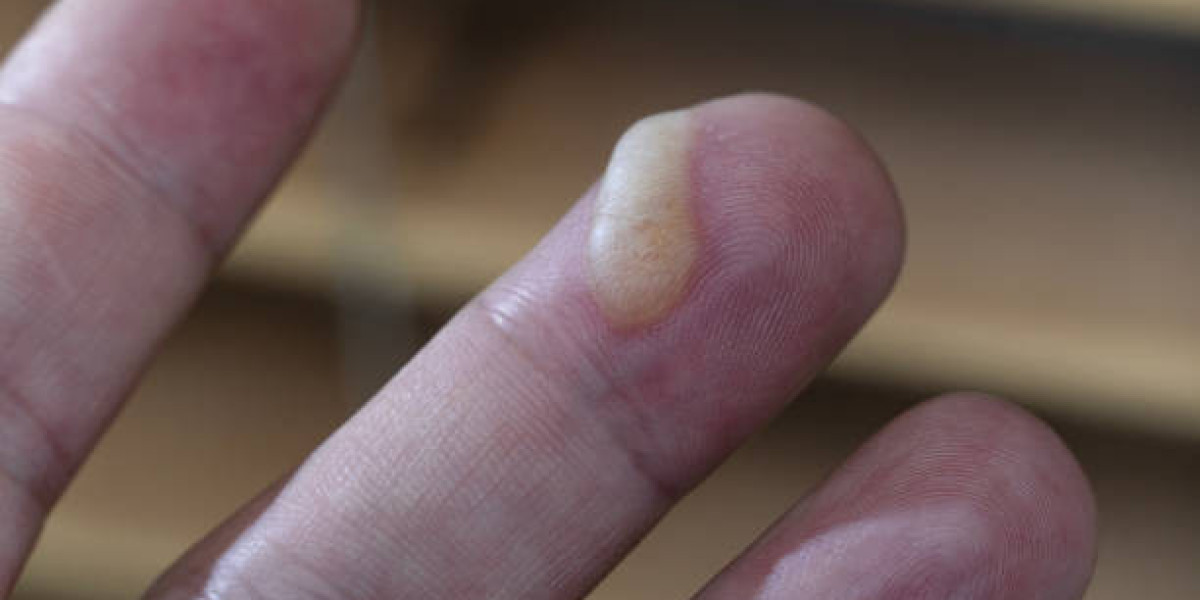
Your skin may experience temporary redness, tenderness, swelling, blistering, or crusting after wart removal. These reactions are particularly common following treatments such as cryotherapy, which uses extreme cold to destroy wart tissue. Other procedures, including laser treatment or surgical removal, may require different wound-care routines. Understanding how to clean, protect, and monitor your skin after Warts Removal Treatment in Riyadh can help you manage normal healing changes and recognize signs that require medical attention.
Keep the Treated Area Clean
Gentle cleansing is one of the most important steps in post-treatment skin care. Keeping the area clean helps remove dirt and reduces the risk of infection while the skin heals. Follow the specific cleaning instructions provided by your healthcare professional, as care requirements may differ depending on the procedure.
When cleansing is permitted, use clean water and a mild, fragrance-free cleanser if recommended. Avoid scrubbing the treated area, rubbing it with a rough towel, or applying harsh products that may irritate healing skin. Pat the area dry gently rather than rubbing it.
If your clinician has applied a dressing, follow their instructions about when and how to change it. Some procedures require the area to remain covered, while others may need a different approach. Do not remove dressings prematurely unless you have been instructed to do so.
Avoid Picking Blisters, Scabs, or Crusts
Some wart removal methods cause blistering or the formation of a scab as the skin repairs itself. Although these changes may look concerning, they can be a normal part of healing.
Avoid popping blisters, scratching the area, or pulling off scabs. Doing so may expose delicate tissue, increase the risk of infection, delay healing, and make scarring more likely. Allow the affected skin to recover naturally and follow any wound-care guidance you receive.
If a blister becomes unusually painful, develops significant swelling, or appears infected, contact a healthcare professional for advice. Do not attempt to drain it yourself unless a clinician specifically instructs you to do so.
Use Recommended Ointments and Dressings
Depending on the treatment, your healthcare professional may recommend a protective ointment or dressing to support healing. Follow these instructions carefully and avoid adding products that have not been approved for the treated area.
Do not automatically apply antibiotic creams, alcohol, hydrogen peroxide, strong exfoliants, or fragranced skincare products. Some products can irritate the skin or interfere with normal healing. If you are unsure whether a particular moisturizer or ointment is appropriate, ask your clinician.
For wounds created by surgical removal, specific instructions may be necessary to protect the site and minimize infection risk. Keep the dressing clean and replace it as advised. If the dressing becomes soaked, dirty, or detached, follow your clinician’s guidance on replacing it safely.
Protect Your Skin From Sun Exposure
Healing skin can be more vulnerable to irritation and changes in pigmentation. Sun exposure may make dark or light marks more noticeable, especially after inflammation or procedures that affect the skin’s surface.
When practical, protect the treated area from direct sunlight while it heals. Once the skin has closed and your clinician confirms that sunscreen is appropriate, use broad-spectrum sunscreen on exposed areas and reapply it as directed.
Avoid applying sunscreen directly to an open wound unless your healthcare professional advises you to do so. Physical protection, such as clothing or a suitable covering, may be preferable while the skin is still healing.
Avoid Friction and Activities That Irritate the Skin
Friction can disturb healing skin and increase discomfort. Try to avoid tight clothing, repeated rubbing, or activities that place pressure on the treated area.
For warts on the feet, choose comfortable footwear and avoid unnecessary pressure on the affected site. If walking is painful after treatment, ask your clinician how to protect the area and whether you should temporarily modify your activities.
For warts on the hands or around the nails, avoid aggressive manicures, nail biting, and activities that repeatedly traumatize the skin. Follow any instructions about swimming, exercise, or soaking the treated area, particularly if you have an open wound or dressing.
Avoid Using Wart Treatments Too Soon
It may be tempting to apply another wart-removal product if you notice rough skin or a remaining mark after treatment. However, the area may need time to heal before further treatment is appropriate.
Do not apply salicylic acid, freezing products, exfoliating acids, or other wart remedies to recently treated skin unless your healthcare professional recommends them. These products may damage healing tissue, cause irritation, or increase the risk of scarring.
Some warts require more than one treatment session, and a small amount of residual skin change does not necessarily mean that the wart remains. Arrange a follow-up assessment if you are unsure whether additional treatment is needed.
Watch for Signs of Infection or Complications
Mild redness, tenderness, or swelling may occur after wart removal. These symptoms should generally improve as the skin heals, although recovery times vary according to the procedure.
Contact a healthcare professional if you notice:
Redness or swelling that continues to spread.
Increasing pain rather than gradual improvement.
Pus, an unpleasant discharge, or worsening warmth around the area.
Fever or feeling generally unwell.
Bleeding that does not stop with steady, gentle pressure.
A wound that is not healing as expected.
Seek prompt medical attention for severe or rapidly worsening symptoms. People with diabetes, poor circulation, or weakened immune systems should follow individualized medical advice and may need closer monitoring during recovery.
Prevent Warts From Spreading After Treatment
Removing a visible wart does not always eliminate HPV from the surrounding skin. New warts can sometimes develop at the same site or elsewhere, so continued prevention is important.
Avoid picking at the treated area, wash your hands after touching it, and do not share personal items such as razors, nail clippers, towels, or pumice stones. Avoid shaving directly over warts and keep any affected areas covered when appropriate.
If you notice another growth near the treated site, do not assume that it is definitely a wart. A healthcare professional can examine it and determine whether further treatment is necessary.
How Long Does Skin Take to Heal After Wart Removal?
Recovery time varies depending on the treatment method, the wart’s size, and the area being treated. Mild redness and tenderness may settle within several days, while blistering, crusting, or a wound following surgical removal may take longer to heal.
Cryotherapy can produce a blister that later forms a crust, whereas surgical procedures may require ongoing wound care until the skin closes. Pigmentation changes can persist after the surface has healed and may gradually improve over several weeks or months.
Avoid comparing your recovery directly with someone else’s experience. If healing appears unusually slow or symptoms worsen instead of improving, seek professional advice.
Professional Aftercare for Wart Removal in Riyadh
Proper aftercare is an important part of achieving a safe recovery after wart removal. A qualified healthcare professional can explain how to care for the treated area, identify potential complications, and advise whether follow-up treatment is necessary. For people considering Warts Removal Treatment in Riyadh, professional guidance can help ensure that the procedure and recovery plan suit the wart’s location and individual skin needs.
Book a Consultation at Royal Clinic Saudia
If you have questions about healing after wart removal or are considering treatment for an existing skin growth, Royal Clinic Saudia can help you explore appropriate assessment and care options. A consultation provides an opportunity to discuss your skin concerns, understand treatment choices, and receive aftercare recommendations suited to your needs. Contact Royal Clinic Saudia to arrange an appointment with a qualified healthcare professional.
FAQs:
Can I wash my skin after wart removal?
In many cases, gentle washing is possible, but the correct timing depends on the procedure and whether a wound or dressing is present. Follow your healthcare professional’s instructions and avoid scrubbing the treated area.
Should I apply moisturizer after wart removal?
A suitable moisturizer or protective ointment may be recommended for some treatments, but not every product is appropriate for healing skin. Ask your clinician what to use, particularly if the area is open, blistered, or covered with a dressing.
Is it normal for a wart removal site to form a scab?
Yes, blistering, crusting, or scab formation can occur after certain procedures. Avoid picking at the area and allow it to heal naturally. Contact a healthcare professional if you notice worsening pain, spreading redness, or signs of infection.
Can a wart return after the skin has healed?
Yes. HPV may remain in surrounding skin even after the visible wart has been removed, so recurrence is possible. Avoid picking at the area, maintain good hygiene, and seek professional assessment if a new growth appears.