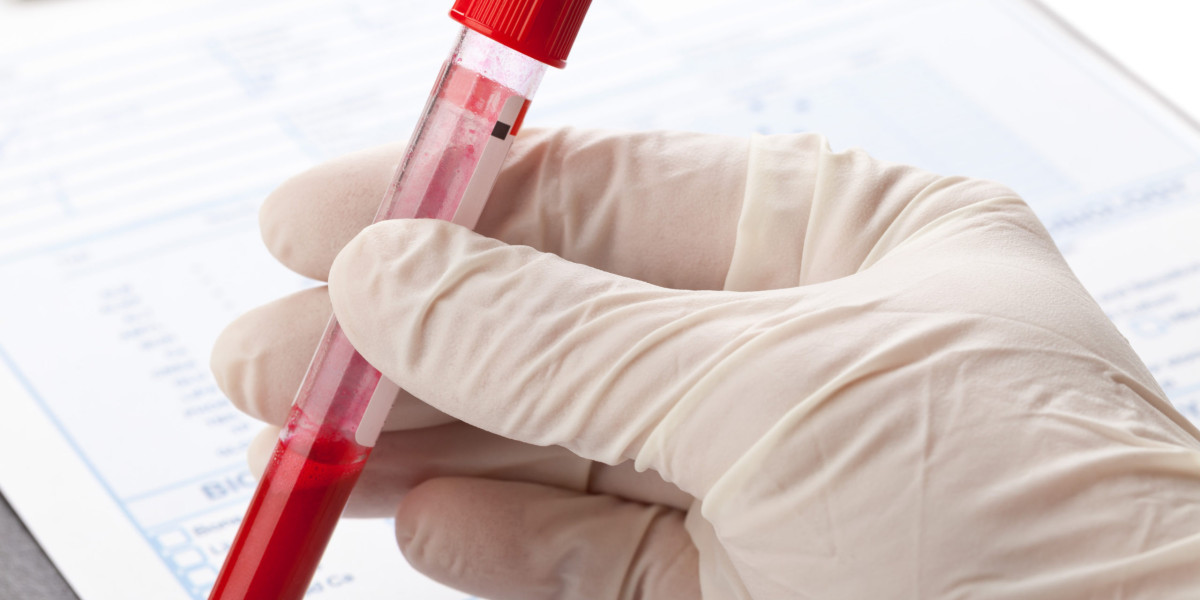

A Blood Urea Nitrogen test, commonly known as a BUN test, is a simple blood test that can provide useful information about kidney function and the body's handling of protein waste. It is frequently ordered as part of routine blood work or alongside other tests used to evaluate renal health.
The process may seem straightforward: a blood sample is collected, the laboratory measures BUN, and the result appears on a report. But understanding what happens before and after the test is just as important as knowing how the blood sample is collected.
Blood Urea Nitrogen (BUN) Test in Dubai levels can be affected by kidney filtration, hydration, protein intake, liver function, medications, illness, and other factors. Therefore, the result should not be interpreted in isolation.
This guide explains the journey from preparing for a BUN test to understanding what the final result may mean for kidney health.
Before the Blood Test: Why BUN Is Ordered
Doctors may order a BUN test for several reasons.
It may be included in a kidney function test or metabolic panel, especially when a healthcare professional wants to assess how the kidneys are handling waste products.
A BUN test may also be considered when someone has symptoms or risk factors associated with kidney problems. It can be useful when monitoring an existing kidney condition, assessing changes during an illness, or checking kidney function before certain treatments or procedures.
The test is often performed with serum creatinine, because the two measurements provide complementary information.
What BUN Actually Measures
BUN measures the amount of nitrogen in the blood that comes from urea.
Urea is produced mainly by the liver during protein metabolism. Once produced, it travels through the bloodstream to the kidneys. The kidneys filter much of the urea and remove it through urine.
The process can be summarized as:
Protein breakdown → urea production → blood circulation → kidney filtration → urine
If the kidneys filter less efficiently, BUN may rise. But because other factors can also influence urea production and concentration, BUN is not a kidney-specific measurement.
Getting Ready for a BUN Test:
Preparation depends on whether BUN is being tested alone or as part of a larger group of laboratory tests.
A standalone BUN test may not require fasting, while some panels may have specific preparation requirements. Your healthcare professional or laboratory should provide the instructions that apply to your test.
Should You Drink Water Before Testing?
Unless you have been given different instructions, maintaining normal hydration is generally important. Significant dehydration can affect BUN levels and may make the result more difficult to interpret.
However, do not deliberately drink excessive amounts of water before the test to try to change the result.
What About Food and Protein?
Because protein metabolism contributes to urea production, recent dietary habits can influence BUN.
A particularly high protein intake may increase blood urea nitrogen levels. Tell your healthcare professional about major dietary changes or protein supplements if your result is unexpected.
You generally should not make major diet changes simply to produce a "better" laboratory result.
Should Medications Be Stopped?
Some medications can affect kidney function, fluid balance, or laboratory measurements.
Tell your healthcare professional about prescription medicines, over-the-counter products, and supplements you use. Do not stop a prescribed medication unless your clinician specifically instructs you to do so.
During the BUN Test: What Happens?
A BUN test requires a small blood sample.
A healthcare professional usually cleans the skin, places a needle into a vein, and collects blood into a laboratory tube. The needle is then removed and the site is covered.
The collection itself generally takes only a few minutes.
You may experience a brief pinch or mild discomfort. Some people develop a small bruise afterward, but serious complications from routine blood collection are uncommon.
Once the sample has been collected, it is sent to a laboratory for analysis.
After the Sample Reaches the Laboratory:
The laboratory measures the amount of nitrogen associated with urea in the blood sample.
The final report may include:
BUN result
Laboratory reference range
Serum creatinine
eGFR
Other blood chemistry measurements
When BUN is part of a broader kidney function panel, the additional results can be extremely helpful because they provide context for the BUN value.
The reference range printed on your report is particularly important because laboratory ranges can vary.
Understanding Your BUN Result:
A BUN result may be reported as normal, high, or low according to the laboratory's reference range.
But the label alone does not explain why the result is where it is.
If BUN Is High
An elevated BUN can occur when the kidneys are not removing urea efficiently. It may therefore be associated with reduced kidney filtration, acute kidney injury, or chronic kidney disease.
However, kidney dysfunction is not the only explanation.
High BUN levels may also occur with:
Dehydration
High protein intake
Increased protein breakdown
Gastrointestinal bleeding
Reduced blood flow to the kidneys
Certain medications
Serious illness
This is why a high BUN does not automatically mean kidney disease.
If BUN Is Low
A low BUN can occur for several reasons and does not usually indicate kidney failure.
Possible causes include low protein intake, overhydration, pregnancy, and significant liver dysfunction.
Because the liver produces urea, serious liver problems can affect the amount of urea entering the bloodstream.
The appropriate interpretation depends on other test results and the person's overall health.
The Next Result to Check: Serum Creatinine
If your BUN is abnormal, serum creatinine is often one of the most useful accompanying results to review.
Creatinine is a waste product produced primarily through normal muscle metabolism. The kidneys remove it from the bloodstream, making it useful for assessing filtration.
A high BUN with normal creatinine may have a different explanation from high BUN accompanied by increased creatinine.
For example, dehydration may disproportionately increase BUN, while changes in both measurements can raise greater concern about impaired kidney filtration.
How eGFR Helps Explain Kidney Filtration?
The estimated glomerular filtration rate, or eGFR, provides an estimate of how effectively the kidneys filter blood.
It is generally calculated using creatinine and individual factors such as age and sex, depending on the equation used.
Because eGFR focuses more directly on filtration, it is an important component of kidney disease assessment.
A BUN result should therefore be considered alongside eGFR rather than used as a substitute for it.
Looking at the BUN-to-Creatinine Ratio:
Healthcare professionals may also consider the BUN-to-creatinine ratio.
This comparison can sometimes help identify patterns behind an abnormal result.
A relatively high ratio may occur with dehydration, gastrointestinal bleeding, increased protein intake, or increased protein breakdown. When both BUN and creatinine are elevated, reduced kidney filtration may be an important consideration.
The ratio is a supporting clue, not a diagnosis. The actual laboratory values, eGFR, symptoms, medical history, and other findings remain important.
What a BUN Result Cannot Tell You?
A BUN result cannot determine kidney health by itself.
It cannot reliably establish:
The exact cause of an abnormal result
The stage of chronic kidney disease
Whether kidney damage is permanent
Whether a temporary abnormality will resolve
Whether kidney disease is completely absent
For a fuller assessment, healthcare professionals may use additional tests.
Urinalysis
Urinalysis can identify blood, protein, and other abnormalities that may provide clues about kidney health.
Urine Albumin Testing
A urine albumin-to-creatinine ratio can detect abnormal protein leakage through the kidneys. This can be particularly useful when evaluating possible chronic kidney disease.
Blood Pressure
Blood pressure is closely connected with kidney health. High blood pressure can contribute to kidney damage and can also develop as kidney function declines.
Why Previous Results Matter?
A single BUN result provides only a snapshot.
Comparing the current result with previous blood tests can reveal whether BUN has remained stable, fluctuated, or gradually increased.
For example, a temporary rise after dehydration may resolve when the underlying issue is corrected. Persistent abnormalities accompanied by changes in creatinine or eGFR may require more detailed evaluation.
This is why doctors often look at trends rather than isolated laboratory values.
When an Abnormal BUN Needs Medical Attention?
An abnormal BUN does not always require emergency treatment, but it should be interpreted appropriately.
Talk with your healthcare professional if:
BUN remains outside the laboratory reference range
Your BUN has changed significantly from previous results
Creatinine is also elevated
eGFR is reduced
Urine testing shows abnormalities
You have risk factors for kidney disease
You develop symptoms that could indicate worsening kidney function
Prompt medical evaluation is particularly important if abnormal kidney-related results occur with markedly reduced urine output, significant swelling, severe shortness of breath, persistent vomiting, confusion, or rapidly worsening illness.
A Practical Way to Read Your Kidney Test Report:
When your BUN result arrives, avoid focusing on that number alone.
Instead, review the report as a group:
BUN: Shows the amount of urea-related nitrogen in the blood.
Creatinine: Provides another measure of waste handling and is used to estimate filtration.
eGFR: Estimates kidney filtering capacity.
Urine albumin: Can reveal protein leakage associated with kidney damage.
Urinalysis: May identify blood, protein, and other abnormalities.
Previous results: Show whether the findings are stable or changing.
This broader view provides much more useful information about renal function than BUN alone.
Frequently Asked Questions:
Is a BUN test enough to check kidney function?
No. BUN provides useful information but is not sufficient by itself. Creatinine, eGFR, urine tests, medical history, and symptoms may also be needed.
Does high BUN always mean kidney disease?
No. Dehydration, protein intake, gastrointestinal bleeding, increased protein breakdown, and other conditions can raise BUN.
Can BUN be normal when kidney function is abnormal?
Yes. A normal BUN does not completely rule out kidney disease, particularly in earlier disease or when filtration remains relatively preserved.
How long does it take to get BUN results?
Turnaround time varies depending on the laboratory and whether the test is part of a larger panel. Your healthcare provider or laboratory can give you the most accurate estimate.
Should I worry about one abnormal BUN result?
Not necessarily. One result should be interpreted with the laboratory reference range, other kidney tests, symptoms, and previous measurements.
Final Takeaway:
The Blood Urea Nitrogen Lab tests is a convenient and useful part of kidney function assessment, but understanding the result requires more than reading the BUN number.
From preparation and blood collection to laboratory analysis and clinical interpretation, each stage provides information that can help explain the final result.
An elevated BUN may be associated with reduced kidney filtration, but dehydration, protein intake, illness, gastrointestinal bleeding, and other factors can also cause changes. A low BUN may reflect dietary, hydration, pregnancy, or liver-related factors.
For the clearest picture of renal function, BUN should be considered alongside serum creatinine, eGFR, urine albumin, urinalysis, symptoms, medical history, and previous laboratory results.
If your BUN result is outside the expected range or has changed noticeably from previous tests, discuss it with your healthcare professional rather than trying to interpret the number in isolation. The goal is not simply to determine whether BUN is high or low, but to understand what the result means for your overall kidney health.