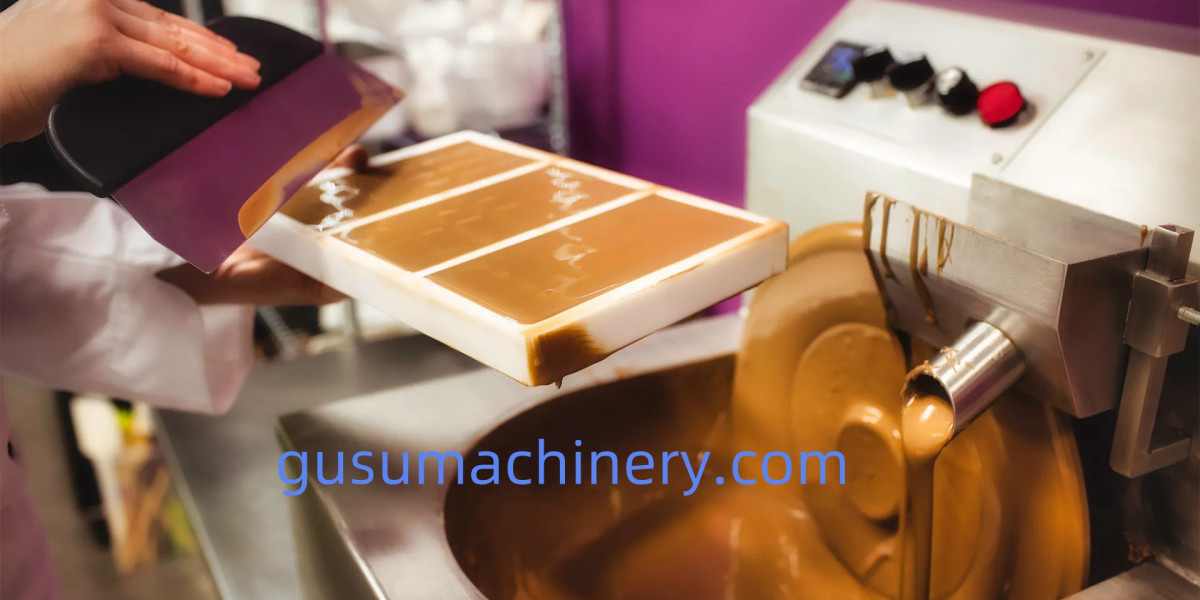

Chocolate Depositor settings are essential in creating accurate fillings, molded shapes, and decorative patterns during chocolate production. The way a depositor handles temperature, nozzle motion, filling volume, and flow timing affects product consistency. When factories refine these settings, they reduce waste and maintain smoother production cycles.
One main area where optimization matters is deposit volume control. A slight imbalance in release timing can cause overfilled molds or incomplete shapes. Proper volume settings begin with synchronized movement between the depositor and conveyor system. When the equipment dispenses chocolate mass at the exact moment molds align beneath the nozzles, the filling becomes more uniform. Precise timing strengthens production control, especially during high output periods.
Temperature also plays an important role. If the chocolate becomes too thick due to low temperature, it may form rough edges or stop flowing smoothly through the nozzles. On the other hand, excessive heat could alter viscosity and delay solidification. Maintaining proper temperature stability supports smoother motion through pumps and valves. This also keeps deposition neat while reducing clumping and preventing defects at the mold entrance.
Nozzle diameter influences shaping quality as well. Larger openings create thicker pours suited for slabs or solid blocks, while smaller outlet sizes are beneficial for delicate decorations or thin shell layers. By selecting a suitable diameter for each product, manufacturers can minimize errors that result from mismatched nozzle size and product type. Controlled nozzle motion can also create decorative drops, rosette designs, or multi-layer fillings.
Pump control remains central to achieving accurate filling. If a pump releases chocolate mass too quickly, it may splash or exceed the mold cavity depth. When the pump is too slow, the deposit may appear insufficient or uneven. Balanced pressure and speed help the deposit settle cleanly, forming uniform surfaces before cooling.
These adjustments also depend on formulation variations. Dairy chocolates, fillings with nut paste, and sugar-heavy blends each behave differently during deposition. A small viscosity shift may require new pump speed settings, a slightly modified nozzle pressure, or warmer holding temperature. Making flexible adjustments keeps deposits consistent across multiple recipes.
Manufacturers often seek equipment designed for dependable temperature retention and adjustable deposition mechanisms. Gusumachinery supplies systems that help factory workers handle these settings more efficiently, supporting smoother filling operations without frequent recalibration. When adjustments become easier to manage, production lines achieve better control over appearance, weight stability, and mold coverage.
Optimized depositor performance also reduces waste. Consistent flow reduces scraping, re-melting, and reworking caused by inaccurate deposits. Better control means factories spend less time correcting mistakes and more time producing sellable goods.
Production teams looking to enhance output quality often prioritize depositor accuracy along with mixing and tempering processes. As deposits become more predictable, the downstream cooling and demolding stages also improve.
More chocolate processing insights and equipment solutions can be found at https://www.gusumachinery.com/