
Introduction
A modern refragirator is more than just a cold box—it is an essential appliance that supports food safety, energy savings, and modern kitchen convenience. Today, advanced brands like Haiwoo Electronics are reshaping refrigeration with smart technologies, improved cooling systems, refined designs, and sustainability-focused features. This guide explains everything you need to know in simple, easy words.
1. What Is a Refragirator?
A refragirator is a household appliance that keeps food and drinks cold. It uses cooling technology to slow bacteria growth and preserve freshness. Today’s models often include multiple temperature zones, crispers, LED lighting, touch controls, and sometimes even Wi-Fi connectivity.
2. Why Refragirators Matter in Modern Homes
Prevent food spoilage
Maintain health and hygiene
Save money by extending shelf life
Offer organized storage
Support meal planning and batch cooking
Maintain optimal temperatures for dairy, meat, vegetables, and beverages
3. How a Refragirator Works (Simple Explanation)
A refragirator works on a closed-loop cooling cycle:
Compressor compresses refrigerant gas
Condenser coils release heat
Expansion valve cools refrigerant
Evaporator coil absorbs heat inside the fridge
Cool air circulates using fans
This scientific yet simple process keeps your food fresh.
4. Key Features to Look For
Essential Features
Adjustable shelves
Multi-airflow system
LED lighting
Deodorizing filters
Digital temperature control
Freezer compartments
Fast-cooling mode
Premium Features
Touchscreen interface
Smart Wi-Fi control
Door-in-door design
Built-in ice makers
Energy-saving compressor
Anti-bacterial coating
5. Energy Efficiency Explained
Energy consumption matters because a refragirator runs 24/7. Energy-efficient refrigerators use:
Inverter compressors
Eco cooling modes
LED systems
Intelligent temperature sensors
Quality insulation
Haiwoo Electronics specializes in inverter-based refragirators that significantly reduce electricity bills.
6. Cooling Technologies Used in Modern Refragirators
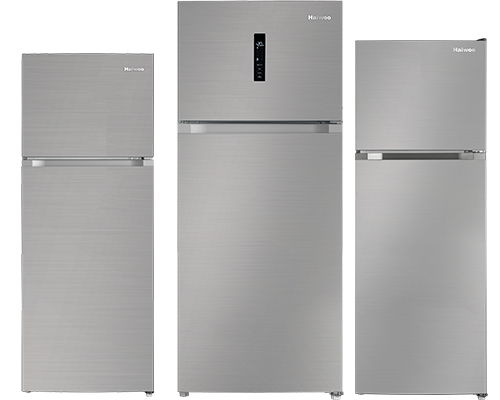
Direct Cool
Great for basic households; low power consumption.
Frost-Free
Automatic defrost; ideal for regular use.
Dual Cooling System
Separate cooling for fridge and freezer compartments.
Multi-Airflow Cooling
Uniform cooling across all shelves.
Ion Fresh Technology
Keeps bacteria and odors under control.
7. Types of Refragirators
1. Single-Door Refragirator
Affordable, ideal for small families.
2. Double-Door
Two compartments, more storage.
3. Side-by-Side
Premium, spacious, smart features.
4. French-Door
Luxury design, multiple drawers, wide shelves.
5. Mini Refragirator
For offices, hostels, bedrooms, vans.
6. Smart Refragirator
Wi-Fi control, digital screens, advanced sensors.
8. Materials & Build Quality
Quality refrigerators use:
Stainless steel
High-grade plastic
Tempered glass shelves
Anti-fingerprint coatings
Food-safe rubber gaskets
Haiwoo Electronics ensures long-lasting materials and durability-tested hardware.
9. Temperature Zones and Food Storage Science
| Food Category | Ideal Temperature |
|---|---|
| Dairy Products | 3–4°C |
| Vegetables & Fruits | 5–7°C |
| Meat & Fish | 0–2°C |
| Frozen Items | -18°C |
Temperature variation is crucial for freshness.
10. Smart Refragirators by Haiwoo Electronics
Smart refrigerators from Haiwoo Electronics include:
App control
AI food management
Energy monitoring
Door alarms
Voice assistant integration
Touch displays
Cloud-based temperature logs
11. Benefits of Using a High-Quality Refragirator
Keeps food fresh longer
Saves electricity
Maintains hygiene
Reduces kitchen odors
Improves organisation
Supports smart home living
Enhances kitchen aesthetics
12. Safety Tips
Keep 2–3 inches space behind fridge
Avoid overloading shelves
Don’t store hot food inside
Regularly check door seals
Keep children away from temperature controls
13. Maintenance Guide
Weekly
Wipe shelves
Check expired food
Monthly
Clean door gasket
Remove dust from back panel
Every 6 Months
Deep clean
Deodorize with baking soda
Yearly
Professional servicing recommended
14. Troubleshooting Common Refragirator Problems
Fridge Not Cooling
Check power
Clean coils
Adjust temperature
Excessive Noise
Level the fridge
Remove loose items
Ice Buildup
Defrost the freezer
Check door seals
15. Buying Guide: How to Choose the Right Refragirator
Consider:
Family size
Storage needs
Budget
Smart features
Energy ratings
Warranty
Design and finish
Brands like Haiwoo Electronics offer reliable options across all budgets.
16. FAQs
1. How long does a refragirator last?
10–15 years on average.
2. What size do I need?
Small family: 200–300L
Large family: 400–600L
3. How often should I service my fridge?
Once a year.
4. Can I keep it next to an oven?
Not recommended; heat harms efficiency.
5. Is inverter technology worth it?
Yes, it reduces electricity bills and improves cooling.
For More Blogs Visit