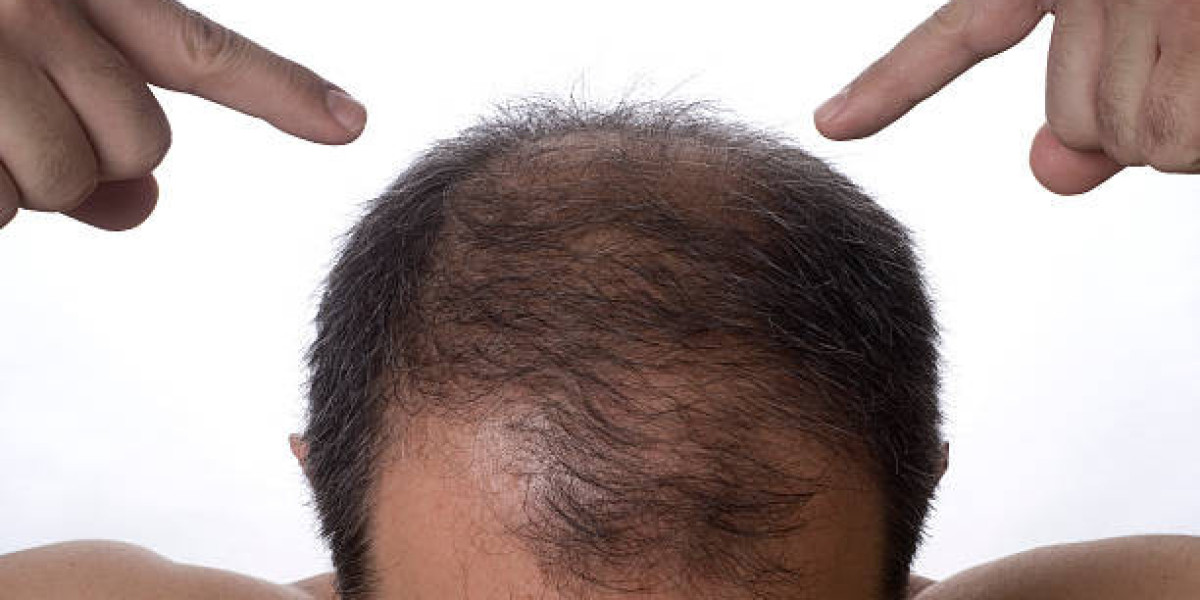

Hair thinning rarely changes overnight, which is why a consistent treatment plan can be important when exploring regenerative options for hair restoration. PRP Hair Treatment in Riyadh is commonly performed as a series of sessions rather than a single procedure, with the timing determined by factors such as the cause of hair loss, scalp condition, hair density, and individual response. Understanding how frequently treatment may be recommended can help you develop realistic expectations and make better-informed decisions about your hair-care journey.
What Is PRP Hair Treatment?
Platelet-rich plasma, or PRP, is prepared from a small sample of the patient's own blood. The sample is processed to concentrate platelets and growth factors before the resulting plasma is injected into selected areas of the scalp. PRP Hair Treatment in Riyadh is generally considered for certain forms of hair thinning where viable follicles remain. Rather than instantly creating new hair, PRP is intended to support the existing follicular environment and encourage healthier hair growth over time.
Why Are Multiple Sessions Often Recommended?
Hair follicles follow natural growth cycles, and changes in hair density take time to become noticeable. A series of treatments may allow the scalp to receive repeated stimulation during different stages of the hair-growth cycle. The exact number and spacing of sessions are not identical for everyone, so a specialist should create a schedule based on your individual condition.
How Frequently Is PRP Usually Performed?
There is no universal schedule for PRP because treatment protocols differ between clinics and patients. A specialist may initially recommend several sessions spaced a few weeks apart, followed by less frequent maintenance sessions if the patient responds well. The exact interval should be determined after evaluating the scalp and monitoring changes in hair growth.
The Initial Treatment Phase
During the initial phase, sessions are often scheduled closer together than maintenance appointments. This allows the treatment plan to provide repeated support while the hair follicles progress through their growth cycle. Your specialist may adjust the interval depending on how your scalp responds and whether your hair shedding or density changes.
The Maintenance Phase
After the initial series, some patients may be advised to have occasional maintenance treatments. Maintenance is not necessarily required at the same frequency for everyone. Factors such as ongoing hair loss, treatment response, age, genetics, and overall scalp health can influence whether and when additional sessions are recommended.
What Factors Affect PRP Treatment Frequency?
The ideal treatment schedule depends on more than simply how much hair you have lost. A specialist may consider the cause of hair loss, severity of thinning, age, scalp condition, general health, previous treatments, and the response to earlier PRP sessions. These factors help determine whether treatment should continue, be adjusted, or be combined with another approach.
Cause and Pattern of Hair Loss
Different forms of hair loss can behave differently. Genetic-pattern thinning, temporary shedding, and hair loss associated with certain medical conditions may require different management strategies. Identifying the underlying cause is therefore an important part of determining whether PRP is suitable and how frequently it might be used.
Individual Treatment Response
People can respond differently to the same treatment. Some may notice changes in shedding or hair quality before visible improvements in density, while others may require more time before noticing meaningful changes. Regular follow-ups allow the specialist to assess progress rather than automatically following the same schedule for every patient.
When Do PRP Results Become Noticeable?
PRP does not provide immediate hair growth because follicles require time to move through their natural growth cycle. Some individuals may notice changes in hair shedding or texture before seeing improvements in overall density. Visible changes can take several months, and results vary depending on the underlying cause of hair loss and the individual's response to treatment.
Why Patience Matters
It can be tempting to judge a hair treatment after only one session, but hair restoration requires time. Taking photographs at consistent intervals and attending follow-up appointments can make gradual changes easier to recognize. Your specialist can also determine whether the treatment is producing an appropriate response or whether another strategy should be considered.
Can You Have PRP Too Frequently?
More frequent treatment does not necessarily mean better results. The scalp needs appropriate time between procedures, and unnecessary sessions may increase discomfort or the risk of treatment-related irritation. Your specialist can recommend an appropriate interval based on your treatment protocol, healing, and response.
Follow Your Personalized Schedule
Avoid copying another person's PRP schedule because their cause of hair loss and response may be completely different. A personalized plan takes your individual circumstances into account and can be adjusted as your condition changes.
Can PRP Be Combined With Other Hair-Loss Treatments?
Depending on the cause of hair loss, PRP may be included alongside other approaches such as topical medications or supportive therapies. Combining treatments can sometimes address hair loss through different mechanisms, but this should only be done under professional guidance. PRP Hair Treatment in Riyadh should be viewed as one component of a broader hair-restoration strategy when clinically appropriate.
What Happens During a PRP Consultation?
A consultation typically involves discussing your hair-loss history, previous treatments, family history, scalp concerns, and overall health. The specialist may examine the pattern and severity of thinning and assess whether the follicles appear suitable for PRP. Based on these findings, you can receive guidance about treatment frequency, expected results, aftercare, and whether additional hair-loss therapies may be useful.
Book an Appointment at Royal Clinic Saudia
If you are unsure how frequently you should receive PRP or whether the treatment is suitable for your type of hair loss, consider booking a consultation with Royal Clinic Saudia. A qualified specialist can evaluate your scalp and create a personalized treatment plan based on your hair-growth goals and individual response. Discussing PRP Hair Treatment in Riyadh during your appointment can help you understand the recommended schedule and what to expect throughout the process.
FAQs:
How many PRP sessions are usually needed?
The number of sessions varies between patients. An initial series may be recommended before maintenance treatment is considered, but the appropriate number depends on the cause of hair loss and how your scalp responds.
How long should you wait between PRP sessions?
The interval depends on the treatment protocol and individual circumstances. A specialist will determine suitable spacing based on your scalp condition, healing, and response to previous sessions.
Do you need PRP maintenance treatments?
Some patients may benefit from occasional maintenance sessions, while others may not require them. Your specialist can assess whether continued treatment is appropriate after the initial course.
Can PRP be repeated every week?
Weekly treatment is not automatically appropriate. PRP requires suitable spacing between sessions, and treatment frequency should be determined by a qualified professional rather than based on a fixed schedule.