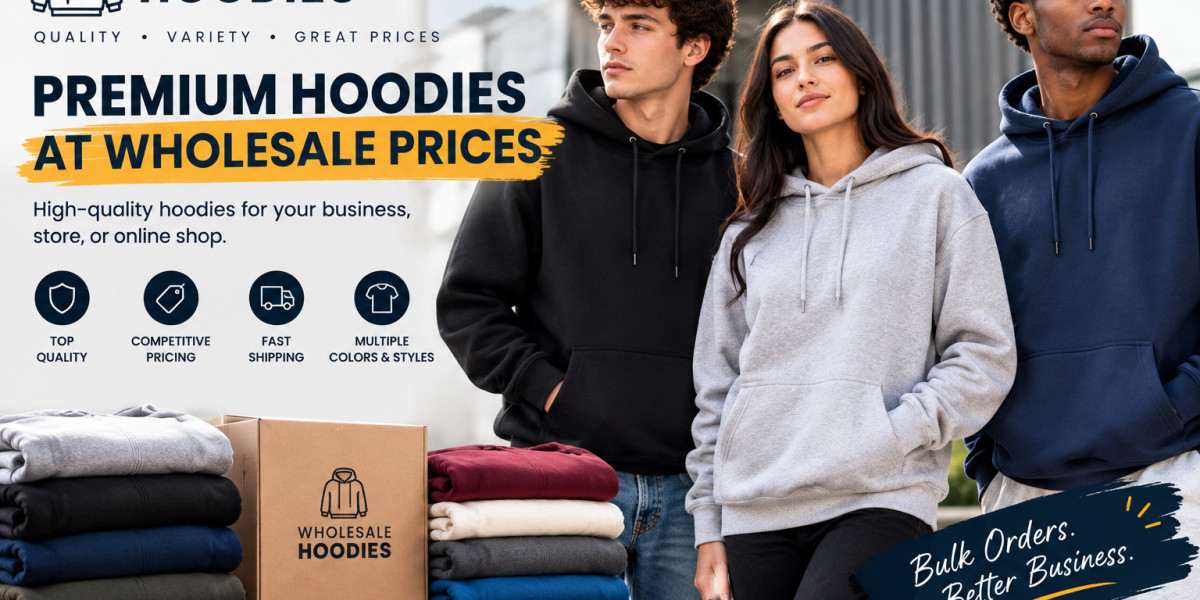

Placing a large hoodie order is a significant decision for a clothing business. Once hundreds of garments are involved, even a small misunderstanding about fabric, sizing, color, or delivery can affect the entire shipment.
That is why asking the right questions before confirming an order is so important. A supplier may provide attractive products and competitive prices, but businesses still need to understand exactly what they are purchasing.
Good questions also make communication easier. They give both sides an opportunity to confirm expectations before production begins.
What Material Will Be Used?
Start with the fabric. Ask the supplier about the material composition and weight of the hoodie.
Find out whether the garment is made from cotton, polyester, a blend, or another material. If the hoodie has a fleece interior or another special finish, ask for those details as well.
Fabric weight can affect warmth, structure, and how the garment feels. A lightweight option may work well for layering, while a heavier material may be more suitable for colder weather.
Do not rely only on general terms such as “premium” or “high quality.” Ask for specific information that allows you to compare products properly.
If possible, request a sample before approving the full order.
How Are the Sizes Measured?
Sizing should be discussed before the order is finalized.
Ask for the supplier's measurement chart and check important dimensions such as chest width, body length, shoulder width, and sleeve length.
It is also worth asking whether measurements are taken from flat garments or using another method. This can help explain differences between suppliers.
If the hoodie is intended to have a regular, relaxed, or oversized fit, make sure that expectation is clearly communicated.
A sample can be compared against the measurement chart before production starts. This provides a practical way to identify sizing problems early.
What Is the Minimum Order Quantity?
Minimum order quantity, often called MOQ, can have a major effect on purchasing decisions.
Ask how many pieces must be ordered and whether different sizes or colors can be combined within that quantity.
For a growing business, flexibility can be valuable. Ordering a large number of one design may not make sense if customer demand has not yet been established.
Also ask whether the minimum changes when custom printing, embroidery, labels, or packaging are added.
Knowing the complete requirement before discussing final quantities can prevent unexpected changes later.
Can You Provide a Sample?
Never overlook this question when preparing a large purchase.
A sample allows you to inspect the garment before committing to a significant quantity. Look at the fabric, stitching, measurements, hood, cuffs, pockets, zippers, and overall finishing.
If the order includes branding, the sample should show how the artwork or logo will appear on the finished product.
For buyers planning Wholesale Hoodies, seeing and checking a sample can make it much easier to decide whether the supplier's actual product matches the intended quality level.
If possible, wash the sample according to its care instructions. Check whether the fabric changes shape, texture, size, or color.
How Is Quality Checked?
Ask the supplier how products are inspected before shipment.
Quality control may involve checking measurements, stitching, fabric condition, colors, printing, embroidery, and quantities.
You should also ask what happens if defects are discovered after delivery.
A clear answer does not guarantee that problems will never happen, but it shows that the supplier has considered how such situations should be handled.
Written quality specifications can be especially helpful when an order is large. They give both sides a clear reference for what the finished garments should meet.
How Long Will Production Take?
Lead time should be discussed before the order is approved.
Ask how long production normally takes and whether the estimated timeframe begins after payment, sample approval, or another stage.
If customization is involved, ask whether it adds additional production time.
Businesses should also consider transportation after production is complete. A garment may be finished at the factory but still require additional time before reaching its final destination.
Do not plan a seasonal launch around an overly tight schedule. Leaving some extra time can provide protection against unexpected delays.
What Is Included in the Price?
A unit price does not always represent the final amount a business will pay.
Ask whether the quotation includes packaging, customization, shipping, taxes, or other charges.
Request a clear cost breakdown when possible. This makes it easier to compare different suppliers fairly.
For example, one supplier may offer a lower garment price but charge considerably more for customization or delivery.
The most useful comparison is therefore the expected total cost rather than a single number.
Can You Handle Repeat Orders?
If a product performs well, you may want to purchase it again.
Ask whether the supplier can reproduce the same product in future orders. Find out whether the fabric, measurements, colors, and construction can remain consistent.
It can be useful to keep approved samples and written specifications as references.
Repeat-order consistency matters because customers expect products from the same brand to maintain a familiar standard.
A supplier that can reliably reproduce successful products can make inventory planning easier as the business grows.
How Do You Handle Incorrect or Damaged Items?
This question may feel uncomfortable, but it is important.
Ask what happens if part of the shipment contains damaged garments, incorrect sizes, missing pieces, or products that do not match the agreed specifications.
Find out whether replacements, credits, or another solution are available and whether there is a specific process for reporting problems.
These details should ideally be understood before payment and production.
Clear expectations can make it easier to resolve an issue if one occurs.
What Customization Options Are Available?
If the clothing will carry a brand identity, ask what customization the supplier can provide.
Possible options may include embroidery, screen printing, labels, packaging, or other finishing details.
Ask about artwork requirements, placement, available methods, additional costs, and production time.
Requesting a sample of the customized product is useful because colors and placement can appear different from digital previews.
It is better to approve these details before full production rather than trying to correct them after the entire shipment has been completed.
How Will the Order Be Delivered?
Delivery arrangements should be clear before the purchase is confirmed.
Ask how the goods will be packaged, which shipping method will be used, and what delivery timeframe is expected.
For large shipments, packaging can matter because garments need to arrive in good condition.
Businesses should also understand whether the quoted delivery cost covers everything or whether additional charges may apply.
Accurate delivery information helps the buyer plan storage, product launches, and customer availability more effectively.
Keep the Answers in Writing
After discussing the important questions, record the final details.
The order should clearly state product specifications, quantities, sizes, colors, fabric information, customization requirements, pricing, and delivery expectations.
Written confirmation reduces the risk of relying on memory or informal conversations.
It also creates a useful reference if questions arise during production.
A large hoodie order deserves careful preparation. Asking about materials, sizing, samples, minimum quantities, quality checks, pricing, production times, customization, and delivery can help businesses make more informed decisions.
The process may take a little longer at the beginning, but that extra effort can prevent expensive mistakes later. When expectations are clear and both sides understand the order, purchasing becomes much more organized and predictable.








