
Searching for bpc 157 for sale online can quickly lead to dozens of products making similar claims about purity, quality, and research value. However, a professional-looking product page does not necessarily establish the identity, quality, or safety of the material being offered. BPC-157 remains an experimental peptide, and the FDA reported in 2026 that there is insufficient clinical safety information to characterize its safety profile.
For that reason, buyers should evaluate documentation rather than relying on price, testimonials, or impressive marketing language. A useful assessment starts with exact product identification, batch traceability, analytical testing, and a clear statement of intended use. These factors cannot establish clinical effectiveness, but they can help researchers distinguish better-documented materials from listings that provide little verifiable information.
Understand What BPC-157 Is
BPC-157 is a synthetic peptide that has attracted scientific interest primarily through laboratory and preclinical research. Researchers have investigated different biological effects in experimental models, but results from laboratory or animal studies cannot automatically be interpreted as proven benefits in humans. This distinction is particularly important when reviewing online sellers that describe experimental findings as though they were established medical outcomes.
The FDA's July 2026 briefing materials identified insufficient clinical safety information for bpc 157 for sale and stated that it had found no studies administering the peptide to humans through several proposed routes, including oral, subcutaneous, nasal, or transdermal administration. The agency also identified potential concerns involving immunogenicity, aggregation, peptide-related impurities, and active pharmaceutical ingredient characterization.
Check the Exact Product Identity
One of the first things to examine when researching bpc 157 for sale is whether the product is clearly identified. A transparent listing should provide the peptide name, quantity, batch or lot information, and relevant specifications. Vague descriptions such as “advanced healing peptide” do not provide enough technical information to determine exactly what material is being offered.
Buyers should also pay attention to the distinction between BPC-157 and BPC-157 acetate when reviewing technical documents. Different forms should not simply be treated as identical without checking the supplier's documentation. Precise identification is essential because analytical results are meaningful only when they can be connected to the exact material that was tested.
Look for a Batch-Specific COA
A certificate of analysis, commonly called a COA, is one of the most useful documents for evaluating research peptide quality. Ideally, the report should correspond to the actual batch or lot being offered rather than being a generic document reused for multiple products. A useful report may identify the sample, testing date, analytical methods, laboratory, and reported results.
A COA should not be mistaken for proof that BPC-157 is safe or effective for human treatment. Analytical testing can provide information about characteristics such as identity or purity, but it does not establish clinical efficacy, long-term safety, or regulatory approval. This distinction is especially important because the FDA has identified limited safety information and potential characterization concerns surrounding BPC-157.
Examine Purity Claims Carefully
High purity is one of the most common selling points in online peptide listings, but a percentage printed on a product page should not automatically be accepted as proof of quality. Researchers should determine which analytical method produced the stated result and whether the testing was performed on the specific batch being offered. Without that context, a purity percentage provides only limited information.
Quality assessment can involve more than measuring the percentage of the desired peptide. Identity, degradation products, aggregation, residual impurities, and other characteristics may also be relevant. FDA materials specifically mention complexities involving peptide-related impurities and active pharmaceutical ingredient characterization for BPC-157, demonstrating why a single purity number should not be treated as a complete quality assessment.
Review the Testing Methods
Analytical methods can provide valuable information about peptide materials when they are appropriately performed and reported. High-performance liquid chromatography may be used to assess purity, while mass spectrometry can provide information relevant to molecular identity. However, the usefulness of any test depends on the method, laboratory practices, reference standards, and quality of the resulting report.
A responsible supplier should make it reasonably clear what was tested and what the reported result means. Statements such as “third-party tested” or “laboratory verified” are less informative when no report, batch number, or testing method is available. Good documentation gives researchers something concrete to evaluate instead of asking them to rely solely on promotional claims.
Be Cautious With Extremely Low Prices
Price can vary for legitimate reasons, including synthesis methods, purification, testing, packaging, batch size, and supplier operating costs. Therefore, a higher price does not automatically mean higher quality, and a lower price does not automatically mean that a product is counterfeit. The important question is whether the price is supported by transparent information about the material being supplied.
An unusually low price combined with missing documentation deserves additional scrutiny. If a product claims exceptional purity but provides no batch-specific testing or meaningful technical information, the advertised percentage is difficult to evaluate independently. Comparing documentation and specifications is generally more useful than choosing a product solely because it appears to offer the lowest cost.
Watch for Unsupported Medical Claims
Another major warning sign is language promising specific medical outcomes. BPC-157 is still an experimental peptide, so claims that it will reliably heal injuries, treat disease, eliminate inflammation, or produce guaranteed recovery should not be presented as established clinical facts. Preclinical findings can support further research without establishing that the same effect will occur in humans.
The FDA's 2026 assessment is especially relevant here because it found insufficient clinical safety information and noted the absence of identified human studies for several proposed routes of administration. This does not answer every scientific question about BPC-157, but it does demonstrate why strong therapeutic claims should be separated from the available human evidence.
Understand Research-Use Labels
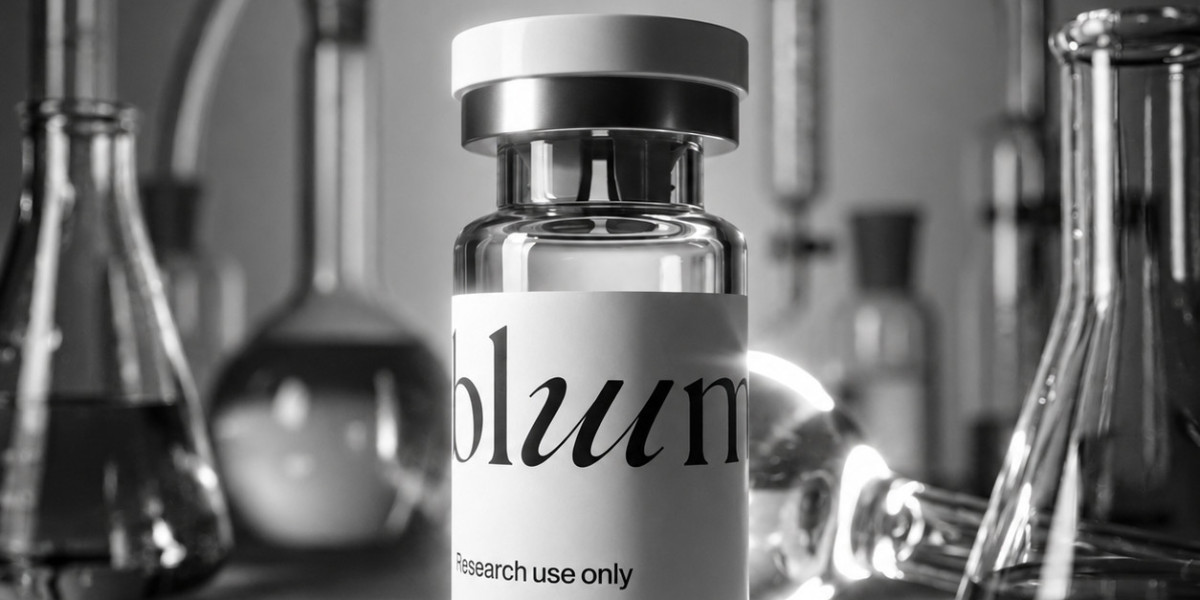
Some online peptide suppliers use phrases such as “research use only” or “not for human consumption.” Such wording describes intended use, but it does not automatically prove that a product is high quality or that every aspect of its marketing complies with applicable regulations. Buyers should examine the actual product description and surrounding claims rather than relying on a disclaimer alone.
The FDA has previously emphasized that labeling an unapproved product for research purposes does not necessarily resolve regulatory concerns when other evidence indicates that it is being marketed for human use. This makes the overall presentation of a product important. A responsible research supplier should avoid turning an experimental material into an implied medical treatment through testimonials or therapeutic instructions.
Where Klow Peptide Fits In
People researching bpc 157 for sale may also encounter Klow peptide products because BPC-157 is commonly discussed as one component of certain multi-peptide formulations. KLOW is generally described commercially as a blend rather than a single peptide, with formulations often associated with ingredients such as GHK-Cu, BPC-157, TB-500, and KPV. Exact formulations can vary, so the label and batch documentation should always be checked.
A KLOW blend should not automatically inherit the evidence associated with any individual ingredient. Research involving BPC-157, GHK-Cu, TB-500, or KPV separately does not establish the safety or effectiveness of a complete KLOW formulation. When comparing a single peptide with a blend, researchers should therefore examine the exact composition and evidence for the specific material instead of treating all peptide research as interchangeable.
Check Storage and Packaging Information
Peptide quality can also depend on how a material is packaged, stored, transported, and handled. A supplier should provide information appropriate to the stated material and its specifications. Packaging that is damaged, poorly labeled, or missing batch information can make it harder to establish traceability and product identity.
Storage information should also be considered alongside the testing date. A COA describes the material at the time and under the conditions in which it was tested; it does not automatically guarantee that the same characteristics remain unchanged indefinitely. Researchers should therefore pay attention to the relationship between testing, packaging, storage, and the specific batch under consideration.
Common Red Flags to Avoid
Several warning signs can indicate that an online peptide listing deserves closer examination. These include generic COAs, missing lot numbers, unexplained purity percentages, inconsistent product names, unclear laboratory information, exaggerated health promises, and pressure to purchase immediately. None of these factors alone proves that a product is fraudulent, but multiple concerns can make the quality claims difficult to verify.
Another red flag is a supplier that relies heavily on testimonials instead of technical documentation. Individual experiences cannot establish the identity, purity, safety, or effectiveness of an experimental peptide. Similarly, a product being listed online or described as “research grade” does not establish regulatory approval or suitability for human administration.
A Practical Buyer's Checklist
Before evaluating a bpc 157 for sale listing, check the exact compound name, amount, batch number, certificate of analysis, testing methods, laboratory information, and intended-use statement. Confirm that the COA actually corresponds to the batch being offered. Then review the product claims to determine whether the supplier clearly separates preclinical research from established human evidence.
It is also useful to compare several suppliers using the same criteria rather than comparing prices alone. Look for consistency between the product page, packaging, COA, and other technical documentation. If important information is missing, contradictory, or impossible to verify, treat the uncertainty as a reason for further investigation rather than assuming that the product is legitimate.
Final Thoughts
Choosing among products advertised as bpc 157 for sale requires a quality-focused approach. Exact identity, batch-level documentation, analytical testing, transparent labeling, realistic research claims, and traceable quality information are more meaningful indicators than product photography, testimonials, or an unusually attractive price. Even strong analytical documentation, however, does not establish that BPC-157 is clinically safe or effective.
The FDA's 2026 review highlights the current limitations of human safety information and identifies concerns involving immunogenicity and peptide-related impurities. The same careful approach should be used when evaluating a klow peptide or any other experimental peptide blend. By separating product characterization from medical validation and research findings from proven outcomes, buyers can evaluate peptide information with greater accuracy and fewer assumptions.