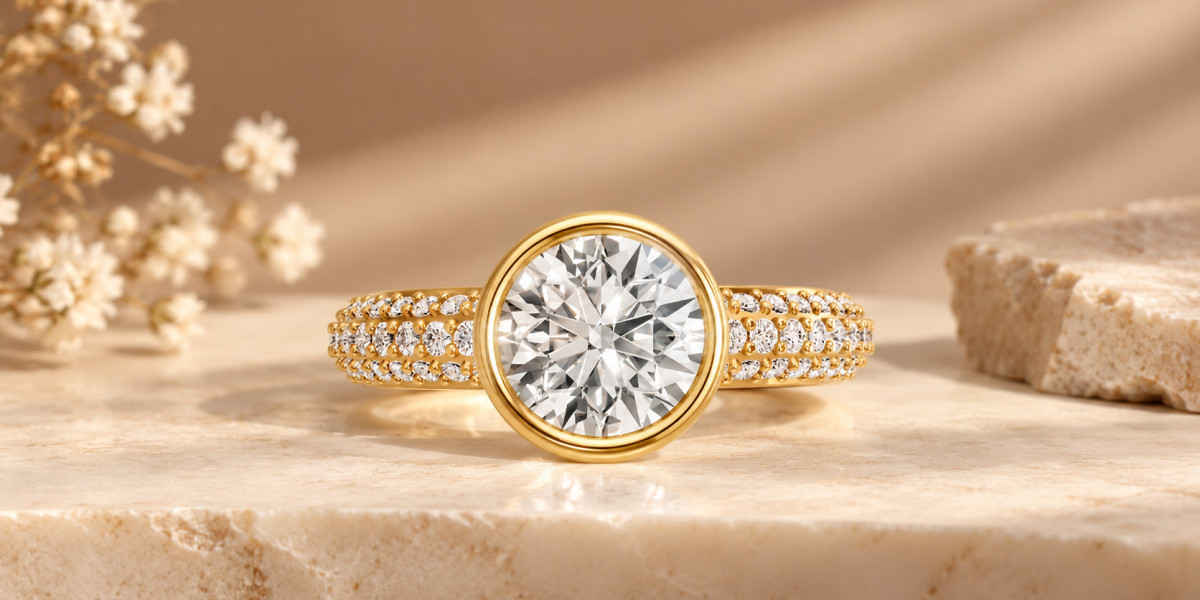

Choosing the right metal is an important part of selecting an engagement ring. The metal affects the ring’s color, durability, maintenance, and overall appearance. For couples considering bezel engagement rings, the choice becomes especially useful because the metal forms the complete border around the diamond. A well-matched metal can complement the stone while creating a comfortable ring for regular wear.
From classic yellow gold to platinum and contemporary two-tone combinations, each option has its own characteristics. Understanding these differences can make it easier to narrow down the choices and select a ring that fits both personal style and everyday needs.
Why Metal Matters in a Bezel Engagement Ring
A bezel setting holds the diamond within a metal rim that surrounds its outer edge. Unlike settings that use individual prongs, the metal plays a visible role in the design.
Because the bezel surrounds the stone, its color can influence how the diamond looks from different angles. The metal also contributes to the structure of the ring and can affect how well the setting suits an active lifestyle.
When choosing a metal, consider:
Your preferred jewelry color
Daily activities and lifestyle
Desired durability
Maintenance requirements
Skin sensitivity
Existing jewelry
The diamond’s shape and color
Taking these factors into account can help you select a metal that works with both the design and your routine.
Yellow Gold for a Warm Traditional Look
Yellow gold remains a popular choice for engagement rings because of its warm color. It creates a noticeable contrast with a white or colorless diamond, making the stone stand out against the surrounding metal.
For a bezel setting, yellow gold can give the ring a strong visual outline around the center stone. It works particularly well with round, oval, pear, emerald, and cushion-shaped diamonds.
Yellow gold is available in different karats, with 14K and 18K being common choices for jewelry. Higher-karat gold contains more pure gold, while lower-karat options contain a larger proportion of other metals.
For someone who wants a warmer ring color and a familiar jewelry appearance, yellow gold is worth considering.
White Gold for a Clean Contrast
White gold has a silvery-white appearance and works well with diamonds that have a higher color grade. Its neutral appearance allows the diamond to remain the main focus of the design.
A white gold bezel can create a crisp border around the stone without introducing a strong color contrast. This makes it suitable for shoppers who prefer a lighter metal appearance.
White gold is generally alloyed with other metals to improve its strength. Many white gold rings also receive rhodium plating, which gives the surface its bright white finish. Over time, that plating can wear and may need to be renewed.
If you already wear white gold jewelry, choosing the same metal for an engagement ring can also make it easier to create a coordinated collection.
Platinum for Long-Term Wear
Platinum is naturally white and is widely used for fine jewelry. It is dense, durable, and well suited to rings that are expected to receive frequent wear.
For bezel set engagement rings, platinum can be particularly useful because the metal forms the protective rim around the diamond. Its density gives the setting a substantial feel on the finger.
Platinum does not require rhodium plating to maintain a naturally white appearance. However, its surface can develop a patina over time as a result of everyday wear. Some people prefer this changing finish, while others choose to have the ring polished periodically.
The higher price of platinum compared with some gold options is another factor to consider when setting a jewelry budget.
Rose Gold for a Distinctive Color
Rose gold gets its pinkish color from the copper used in its alloy. It offers a different appearance from traditional yellow and white gold while still working well with many diamond shapes.
A rose gold bezel can create a soft color contrast around a center stone. It can also pair well with diamonds set in other metals, creating interesting two-tone designs.
Rose gold is available in different karats, just like yellow and white gold. The exact shade can vary depending on the alloy composition.
If you want something different from the usual white or yellow metal, rose gold can provide another direction without changing the basic bezel setting.
Matching the Metal With the Diamond
The metal should not be considered separately from the diamond. The two elements work together to determine how the finished ring looks.
A colorless or near-colorless diamond can pair easily with white metals such as platinum or white gold. Yellow and rose gold create more contrast around the stone.
Diamond shape can also influence the choice. For example, an oval or pear-shaped diamond can look distinctly different depending on whether its bezel is made from yellow gold, white gold, or platinum.
For shoppers who want a more personalized design, unique bezel engagement rings can combine different metals with distinctive diamond shapes and setting details.
Choosing Metal for a Bezel Solitaire
A single center diamond places most of the attention on the stone and its surrounding setting. A bezel solitaire engagement ring therefore gives the chosen metal a particularly visible role.
White gold or platinum can create a low-contrast appearance around a white diamond, while yellow or rose gold can make the bezel border more noticeable.
The band width is also worth considering. A narrow band can create a delicate appearance, while a wider band gives the ring a stronger visual presence.
When selecting the metal, look at the ring from the side as well as from the top. A bezel setting can have interesting details around the gallery and underside that become part of the overall design.
Consider Your Everyday Routine
An engagement ring is usually worn frequently, so your lifestyle should be part of the decision.
If you work with your hands, participate in sports, or frequently use tools, a protective setting may be appealing. The surrounding bezel can help shield the diamond’s edges from direct contact.
The metal still needs to suit your daily routine. Platinum and gold alloys offer different combinations of durability, weight, and maintenance.
It is also worth thinking about how often you are willing to clean and maintain your ring. Some finishes show marks more easily than others, while polished surfaces may require occasional care to maintain their appearance.
What About Lab-Grown Diamonds?
Metal choice works in much the same way whether the center stone is mined or laboratory-grown. A laboratory-grown diamond can be paired with yellow gold, white gold, rose gold, or platinum.
For shoppers considering a lab grown bezel engagement ring, the metal can be selected based on color preference, budget, durability, and the rest of the jewelry collection.
Laboratory-grown diamonds are diamonds with the same basic crystal structure and chemical composition as mined diamonds. The main difference is their origin.
This gives couples another option when building a bezel ring while leaving plenty of flexibility in the choice of metal.
Think About Your Existing Jewelry
Your current jewelry collection can provide a useful clue when choosing a metal.
If you regularly wear yellow gold necklaces, bracelets, or earrings, a yellow gold engagement ring may coordinate naturally with them. The same applies to white gold and platinum jewelry.
However, mixing metals is also an option. A two-tone ring can combine contrasting colors and make it easier to wear the engagement ring alongside different pieces.
Antiquecut offers different ring designs for shoppers exploring options across various settings and metal combinations.
How to Choose Between 14K and 18K Gold
If you have decided on gold, the karat is another decision.
14K gold contains 58.3% pure gold, with the remaining portion made up of alloy metals. It is commonly selected for everyday jewelry because the additional alloy content contributes to hardness.
18K gold contains 75% pure gold. It has a richer gold content and can have a slightly deeper color, particularly in yellow gold.
Neither option is automatically right for everyone. Think about how you wear jewelry, your preferred color, and how the ring fits within your budget.
Consider the Band and Setting Together
The center bezel should work with the rest of the ring rather than looking like a separate component.
For example, a plain band can keep attention on the center diamond, while a pavé band can add additional stones around the shank. A split-shank or tapered band can change the proportions of the design.
The same metal can also produce very different results depending on the finish. Polished surfaces reflect more light, while brushed or satin finishes provide a more muted surface.
When comparing rings, look at the complete design rather than focusing only on the center stone.
Maintenance and Care
Different metals have different care requirements. Regardless of your choice, regular cleaning helps remove oils and residue that accumulate during everyday wear.
Remove the ring when handling harsh chemicals or doing activities that could cause unnecessary impact. Store it separately from harder jewelry pieces when it is not being worn to reduce scratching.
Gold rings may eventually require polishing or other professional maintenance. White gold may need rhodium replating depending on the finish and frequency of wear. Platinum can develop surface patina but can also be professionally polished.
It is useful to ask your jeweler about recommended care before purchasing.
Making the Final Choice
Choosing a metal for a bezel engagement ring does not have to be complicated. Start by deciding which color you prefer, then consider durability, maintenance, budget, and your everyday routine.
Yellow gold offers a warm appearance. White gold provides a bright neutral finish. Platinum offers a naturally white, dense metal option, while rose gold brings a pink-toned color to the design.
The best choice depends on the combination of features that matter to you. If you are ready to compare different styles, explore bezel engagement rings in different metals, diamond shapes, and band designs before making your final selection.
A bezel setting gives you plenty of room to personalize the ring, and choosing the right metal can help bring the entire design together.