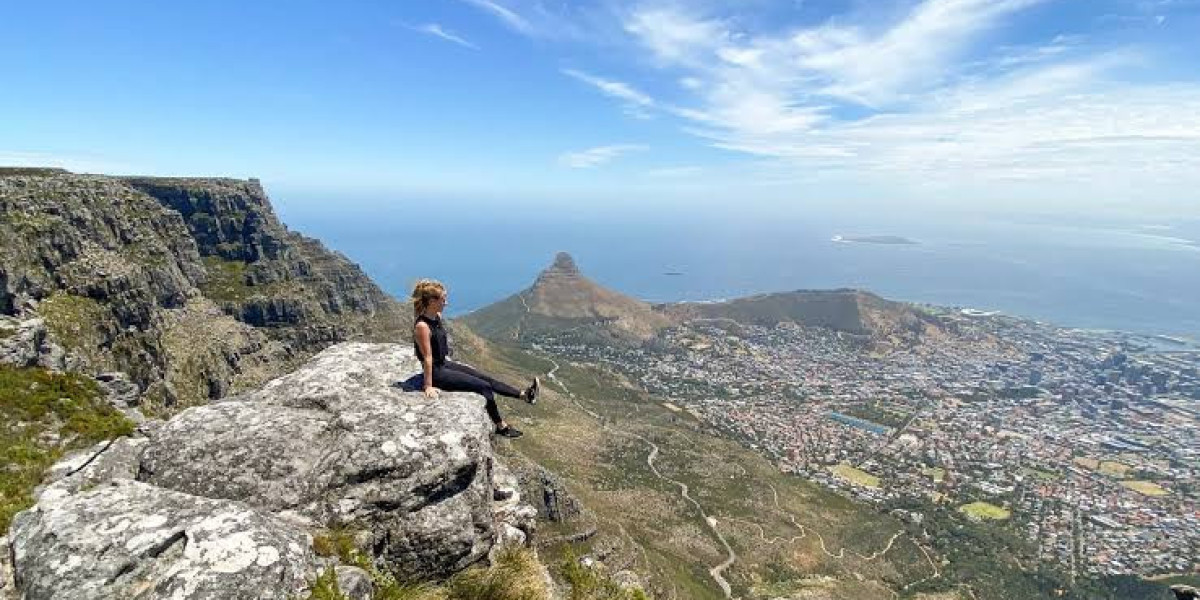

Pakistan’s upper mountain regions reveal a side of the country shaped by towering peaks, glacial valleys, alpine lakes, historic communities, and roads that pass through some of Asia’s most dramatic terrain. For travelers researching northern Pakistan tourism, understanding the region involves much more than identifying famous viewpoints. Seasons, road conditions, altitude, local culture, accommodation standards, transportation, and the distances between destinations all influence how rewarding a journey can be.
Rather than treating the mountains as a collection of photo stops, thoughtful travelers can experience them as interconnected landscapes where geography, history, food, communities, and outdoor adventure come together.
A Landscape Defined by Extraordinary Geography
The northern highlands contain some of the most impressive mountain environments in South Asia. The Karakoram, Himalaya, and Hindu Kush influence the geography of the region, creating enormous differences in elevation and scenery within relatively short distances.
Travelers may encounter green valleys, rocky gorges, snow covered summits, rivers, forests, glaciers, high altitude plains, and clear mountain lakes during the same extended journey.
Gilgit Baltistan is particularly associated with dramatic high mountain scenery. Areas such as Hunza, Skardu, Nagar, Ghizer, and surrounding valleys offer different combinations of landscapes and experiences.
Khyber Pakhtunkhwa adds another dimension through destinations such as Swat, Chitral, Kumrat, and nearby mountain communities. These areas can provide a mixture of forests, rivers, cultural heritage, trekking opportunities, and seasonal scenery.
Hunza and the Karakoram Experience
Hunza has become one of the most recognizable destinations in Pakistan’s mountain belt, but its appeal extends beyond panoramic photographs.
The valley contains historic settlements, traditional architecture, orchards, mountain viewpoints, and access to several surrounding attractions. Karimabad is commonly used as a base for exploring the central valley, while places farther north introduce travelers to increasingly rugged Karakoram landscapes.
The wider region also demonstrates why road travel can be an important part of the experience. Mountain routes reveal changing elevations and geological formations that are difficult to appreciate when focusing only on individual destinations.
Travelers should still allow flexibility in their schedules. Weather, construction, landslides, and other mountain conditions can occasionally affect journey times.
Skardu as a Gateway to High Mountain Landscapes
Skardu provides a different visual experience from Hunza. Broad valleys, rugged mountains, rivers, lakes, and unusual high altitude landscapes give the region a distinctive character.
It also serves as an important gateway for expeditions and trekking routes associated with the Karakoram.
For general visitors, the surrounding area offers enough variety for a multi day stay without requiring technical mountaineering experience. Lakes, viewpoints, villages, historic locations, and distinctive landscapes can be combined according to available time and seasonal accessibility.
Distances should not be underestimated. Locations that appear relatively close on a map may require considerably more travel time because of mountain roads and terrain.
Swat and the Greener Side of the Mountains
Travelers who associate Pakistan’s upper regions exclusively with rocky Karakoram landscapes may find Swat noticeably different.
The valley is known for rivers, forested slopes, mountain settlements, and seasonal greenery. Towns such as Mingora can serve as entry points before travelers continue toward higher areas.
The broader Swat region also demonstrates how dramatically experiences can change with elevation. Lower valleys may remain relatively accessible while higher destinations can experience significantly different temperatures and seasonal conditions.
Spring and summer often attract visitors interested in greenery and outdoor activities, while winter can transform accessible higher areas into snow covered environments.
Culture Matters as Much as Scenery
One of the most valuable aspects of traveling through Pakistan’s mountain communities is discovering that the region is culturally diverse rather than uniform.
Languages, food traditions, architecture, clothing, music, agricultural practices, and community customs can vary between valleys.
Respectful interaction is therefore important. Travelers should ask permission before closely photographing people, follow local expectations regarding clothing and behavior, and remember that picturesque villages are living communities rather than tourist exhibits.
Choosing locally operated accommodation, guides, restaurants, and transportation can also create more direct economic benefits for communities receiving visitors.
Choosing the Right Season
There is no single perfect month for every mountain destination.
Spring can bring blossoms and moderate conditions to some lower valleys. Summer generally provides broader access to higher locations and is an important season for trekking. Autumn attracts travelers interested in changing foliage and cooler temperatures. Winter creates impressive snow landscapes but may significantly reduce accessibility.
Altitude is another consideration. Conditions at a high mountain pass can be completely different from those in a nearby lower valley on the same day.
Checking current weather and road information shortly before departure is therefore more useful than relying entirely on historical seasonal patterns.
Planning Transportation Carefully
Transportation deserves serious attention when organizing a mountain itinerary.
Major regional centers may be reached through combinations of flights and road travel, while smaller valleys often require private vehicles, local transport, or experienced drivers.
Domestic flights can reduce travel time considerably, but mountain weather can sometimes disrupt schedules. Road journeys offer greater exposure to the landscape but can involve long driving hours.
Building spare time into an itinerary is a practical approach. A tightly scheduled trip can become difficult if weather or road conditions change unexpectedly.
Responsible Travel in Fragile Environments
Growing visitor numbers can create economic opportunities, but they can also place pressure on environmentally sensitive locations.
Plastic waste, unmanaged camping, water consumption, traffic, and disturbance to natural areas can gradually damage destinations whose appeal depends heavily on their environment.
Visitors can reduce their impact by carrying reusable bottles where safe refill options exist, avoiding unnecessary disposable plastics, keeping waste until proper disposal is available, remaining on established routes, and respecting wildlife and vegetation.
Responsible behavior becomes especially important around lakes, glaciers, meadows, forests, and remote trekking areas where waste management infrastructure may be limited.
Building a Better Mountain Itinerary
A strong itinerary prioritizes realistic travel times rather than trying to include every famous location.
For a shorter journey, concentrating on one major region can provide a deeper experience. Travelers with additional time can combine neighboring valleys or connect several destinations through a longer road itinerary.
It is also worth leaving unscheduled periods for walking through local markets, visiting smaller settlements, stopping at viewpoints, trying regional food, or simply spending time in the landscape.
The most memorable mountain journeys are not necessarily those with the longest checklist. They are often the ones that allow enough time to understand the character of each place.
Final Thoughts
Pakistan’s mountain regions combine extraordinary geography with communities that have developed distinctive ways of life around challenging landscapes. Glaciers, forests, rivers, historic settlements, alpine environments, and some of the world’s highest mountains create enormous possibilities for exploration.
Approaching the mountains with patience and curiosity can turn a simple sightseeing trip into a much richer understanding of Pakistan’s landscapes and the people who call them home.
Frequently Asked Questions
What is the best time to visit Pakistan’s mountain regions
The ideal period depends on the destination and purpose of the trip. Summer generally provides wider access to high altitude locations, while spring and autumn can offer pleasant conditions and distinctive seasonal scenery in many valleys.
Are Hunza and Skardu suitable for first time visitors
Both are popular starting points because they provide access to major landscapes, accommodation options, local transportation, and numerous surrounding attractions. Travel times and road conditions should still be researched carefully.
How many days are needed for a mountain trip
A focused trip to one major region can usually be planned within several days, while combining multiple distant valleys requires considerably more time. Adding buffer days is sensible because mountain transportation can be affected by weather and road conditions.
Is altitude important when planning a trip
Yes. Higher destinations can have colder temperatures and lower oxygen levels than nearby valleys. Gradual elevation gain, appropriate clothing, hydration, and attention to individual physical responses are important when traveling to higher areas.
How can visitors travel more responsibly
Visitors can minimize waste, respect local customs, avoid disturbing natural environments, use established routes, and support locally operated businesses where practical. Small decisions can collectively help protect fragile mountain destinations.