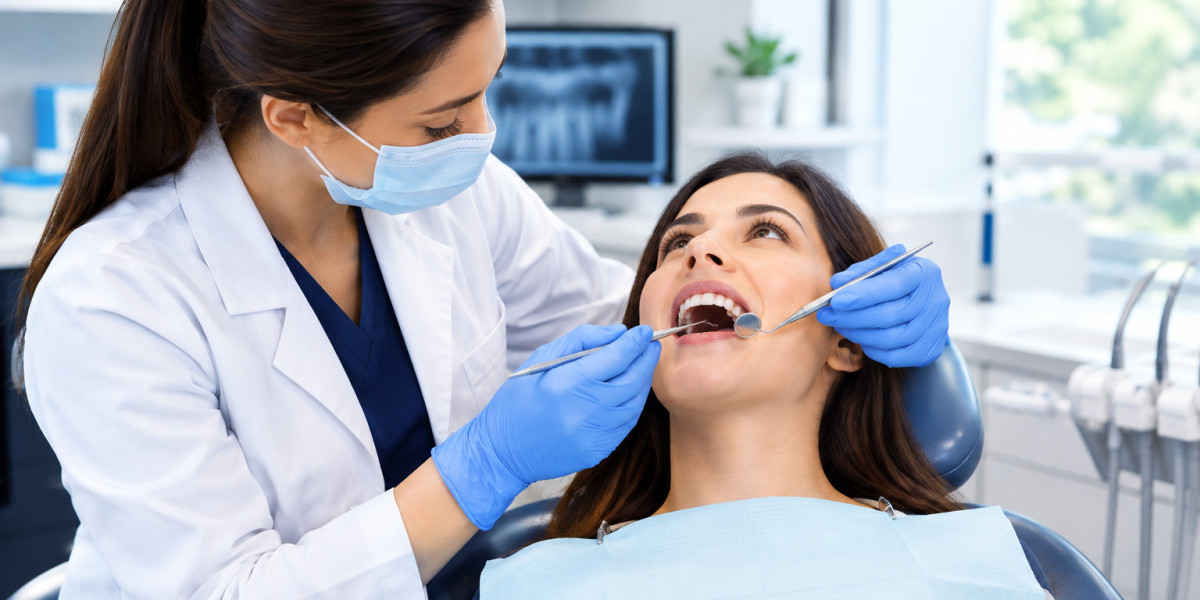

A sudden toothache, broken tooth, facial swelling, or dental injury can turn an ordinary day into an urgent health concern. An Emergency Dentist in Charlotte can evaluate the problem, control pain, address infection, and determine what treatment is needed to protect the tooth and surrounding tissues. Seeking professional care early can also prevent a minor dental problem from becoming more complicated.
Dental emergencies do not always begin with severe pain. Some develop gradually through untreated decay, gum infection, a cracked tooth, or an old filling that has failed. According to the Centers for Disease Control and Prevention, nearly 21% of adults between ages 20 and 64 have at least one untreated cavity. Untreated decay can cause pain and infection and may eventually contribute to an abscess or tooth loss.
What Counts as a Dental Emergency?
A dental emergency generally involves pain, bleeding, infection, trauma, or damage that needs prompt professional evaluation. Common examples include a knocked-out permanent tooth, a severely cracked or broken tooth, intense tooth pain, significant swelling, dental abscesses, uncontrolled bleeding, and injuries affecting the mouth or jaw.
A tooth that has been damaged during a sports activity, fall, accident, or other physical impact should not automatically be considered minor. Even when the visible damage appears limited, an injury can affect the inner structures of the tooth.
Similarly, swelling around the tooth or jaw can indicate infection. A dental abscess may cause throbbing pain, sensitivity, fever, facial swelling, or discomfort when biting. Mayo Clinic advises prompt dental attention for symptoms associated with an abscess, while difficulty breathing or swallowing requires emergency medical attention.
Common Reasons People Need Urgent Dental Care
Several conditions can suddenly require dental attention. Severe tooth decay is one of the most common. A cavity may remain relatively quiet until it reaches deeper layers of the tooth, where inflammation can cause significant pain.
Cracked teeth are another frequent concern. A crack may develop from biting hard foods, grinding, an accident, or normal wear over time. Depending on its location and severity, treatment may involve restoring the tooth, protecting it with a crown, performing root canal treatment, or removing the tooth when it cannot be saved.
Dental trauma also deserves quick evaluation. A displaced, loosened, chipped, or knocked-out tooth may have a better chance of being managed appropriately when professional care is obtained promptly.
The scale of urgent dental problems in the United States is significant. CDC data show that tooth disorders accounted for an annual average of approximately 1.94 million emergency department visits during 2020–2022. Adults ages 25–34 represented the largest percentage of these visits at 29.2%.
Signs You Should Not Ignore
Knowing when symptoms require attention can help prevent unnecessary delays. Persistent or worsening tooth pain should be evaluated, particularly when it interferes with sleep, eating, or normal daily activities.
Other warning signs include:
- Swelling around the gums, face, or jaw
- Fever associated with dental pain
- Pus or foul-tasting drainage
- Pain when biting or chewing
- A broken or severely cracked tooth
- A permanent tooth becoming loose after an injury
- Bleeding that does not stop with appropriate pressure
- Difficulty opening the mouth
- Difficulty swallowing or breathing
Breathing or swallowing difficulties can indicate that an infection or swelling is affecting structures beyond the tooth and require immediate emergency medical care.
What to Do Before Reaching a Dentist
The steps taken immediately after a dental injury can matter. If a tooth is knocked out, handle it carefully by the crown rather than the root and seek professional dental care as quickly as possible.
For a toothache, gently rinsing the mouth with warm water and keeping the area clean may provide temporary comfort. Avoid placing aspirin directly against the gums or tooth because it can irritate oral tissues.
For swelling related to an injury, a cold compress applied externally to the cheek can help reduce discomfort. However, temporary measures should not replace professional evaluation when symptoms indicate a possible infection, serious injury, or significant dental damage.
The American Dental Association's current acute dental pain guidance also emphasizes evidence-based approaches to managing dental pain in adults and adolescents.
Choosing Dental Care in Charlotte
When a dental problem occurs unexpectedly, location and accessibility can be important. Charlotte residents may benefit from knowing where to seek prompt evaluation before an emergency actually happens.
For people searching for emergency dental care in Charlotte, it is useful to consider whether the dental office can evaluate urgent problems, explain treatment options clearly, and provide appropriate follow-up care. Patients should also communicate their symptoms accurately, including when the pain began, whether swelling is present, and whether an injury caused the problem.
Having these details ready can help the dental team understand the situation and determine the appropriate next step.
Preventing Future Dental Emergencies
Not every dental emergency can be prevented, but consistent preventive care can reduce many avoidable problems. Regular examinations allow dentists to identify cavities, damaged restorations, gum problems, and other concerns before they become urgent.
Daily brushing with fluoride toothpaste, cleaning between the teeth, limiting frequent exposure to sugary foods and drinks, wearing appropriate mouth protection during contact sports, and addressing dental discomfort early can all support better oral health.
This preventive approach is especially important because untreated cavities can progress into painful infections. CDC research also shows that oral diseases can affect eating, speaking, learning, and overall quality of life.
Final Thoughts
Dental emergencies can happen without warning, but knowing the warning signs makes it easier to respond appropriately. Severe pain, swelling, infection, trauma, or significant tooth damage should not be ignored. Prompt professional evaluation can help identify the cause and establish an appropriate treatment plan.
For residents seeking urgent dental attention in Charlotte, Emergency Dentist in Charlotte provides a local option at 1824 East Arbors Drive, Charlotte, NC. Addressing dental problems early can help protect oral health and reduce the risk of a manageable issue becoming a more serious one.