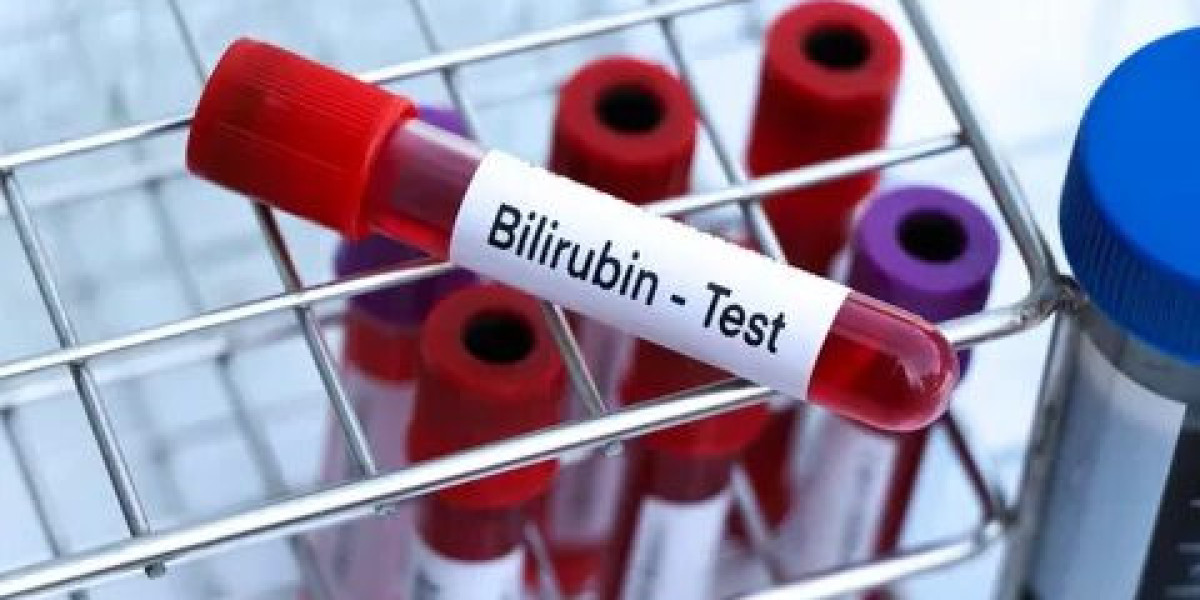

A bilirubin total test can be an important blood test when a child develops yellow skin or eyes, has an unexplained abnormal blood test, or needs evaluation for a condition affecting the liver, bile flow, or red blood cells.
Bilirubin Total Test in Dubai is produced naturally when the body breaks down old red blood cells. The liver processes it and helps remove it through bile. When bilirubin builds up faster than the body can process or eliminate it, a child may develop jaundice.
One important point for parents is that bilirubin levels in children cannot always be interpreted using adult reference ranges. Age, especially in newborns, can significantly affect how bilirubin results are understood.
Why Bilirubin Is Measured in Children?
Doctors may order bilirubin testing for several reasons.
The most visible reason is jaundice, which causes yellowing of the skin or whites of the eyes. In newborns, jaundice is particularly common because the liver and bilirubin-processing system are still developing.
Bilirubin testing may also be considered when a child has:
Yellowing of the skin or eyes
Dark urine
Pale or unusually light-colored stools
Abdominal discomfort
Poor feeding in an infant
Unusual sleepiness
Fever or illness
Abnormal liver blood tests
Suspected red blood cell breakdown
A known liver or blood disorder
The test helps provide information about bilirubin metabolism, but it does not identify one specific disease by itself.
Bilirubin's Journey Through a Child's Body:
Understanding the bilirubin pathway makes the test easier to understand.
When older red blood cells are broken down, bilirubin is produced. Initially, it is unconjugated bilirubin, also called indirect bilirubin.
This bilirubin travels through the bloodstream to the liver. The liver processes it through a process called conjugation, creating conjugated bilirubin, also known as direct bilirubin.
The processed bilirubin then enters bile and eventually leaves the body through the digestive tract.
A problem with production, liver processing, or bile elimination can cause bilirubin to accumulate.
Total, Direct, and Indirect Bilirubin:
A child's laboratory report may include total bilirubin as well as direct and indirect bilirubin.
Total bilirubin represents the overall bilirubin concentration in the blood.
Indirect bilirubin primarily represents unconjugated bilirubin before liver processing.
Direct bilirubin primarily represents conjugated bilirubin after liver processing.
The relationship between these values can provide useful clues. A predominantly indirect bilirubin elevation may lead doctors to consider increased red blood cell breakdown or problems with bilirubin conjugation.
A predominantly direct bilirubin elevation may prompt evaluation of liver processing or bile flow.
These patterns are interpreted differently depending on the child's age and clinical condition.
Newborn Bilirubin Is Different From Adult Bilirubin:
Newborns deserve special attention because neonatal jaundice is common during the first days of life.
A newborn's liver is still developing its ability to process bilirubin. At the same time, newborns naturally undergo changes in red blood cell turnover after birth.
As a result, bilirubin can rise during the early days of life.
Healthcare professionals do not generally interpret a newborn's bilirubin using a simple adult reference range. The baby's age in hours, gestational age, overall health, and bilirubin level are considered together.
For this reason, parents should not compare a newborn's bilirubin result directly with an adult laboratory range found online.
Physiologic Jaundice in Newborns:
Many healthy newborns develop what is commonly called physiologic jaundice.
It usually becomes noticeable during the early days after birth as bilirubin production and liver processing adjust to life outside the womb.
In many cases, bilirubin levels decrease as the baby's liver becomes more efficient at processing bilirubin.
However, not every case of newborn jaundice is physiologic. Healthcare professionals may monitor bilirubin levels to determine whether further evaluation or treatment is necessary.
When Newborn Jaundice May Need More Attention?
Jaundice that appears very early, becomes more pronounced, persists longer than expected, or occurs with other concerning symptoms may require further evaluation.
Possible causes of significant neonatal hyperbilirubinemia include blood group incompatibility, increased red blood cell breakdown, infection, problems with feeding, or less common liver and metabolic conditions.
The timing and rate of bilirubin increase can be as important as the bilirubin number itself.
Parents should follow the newborn's healthcare team's instructions about bilirubin checks and follow-up.
What Does High Bilirubin Mean in an Older Child?
In children beyond the newborn period, an elevated bilirubin level has a broader range of possible explanations.
Potential causes include:
Viral or other infections affecting the liver
Other liver conditions
Increased red blood cell breakdown
Bile duct or gallbladder problems
Certain inherited bilirubin-processing conditions
Medication-related effects
Other disorders affecting bilirubin metabolism
The direct and indirect bilirubin pattern can help guide further evaluation.
A high bilirubin result does not automatically mean that the child has serious liver disease.
Gilbert Syndrome in Children:
Gilbert syndrome is an inherited condition that can cause mild increases in unconjugated bilirubin.
Children with Gilbert syndrome may have normal liver function and no significant liver damage. Bilirubin levels can fluctuate and may become more noticeable during illness, fasting, dehydration, or physical stress.
If a child repeatedly has mild indirect bilirubin elevation while other liver tests are normal, a healthcare professional may consider Gilbert syndrome.
The condition is different from liver disease that causes significant liver injury.
How Doctors Interpret Bilirubin With Other Tests?
Bilirubin is rarely interpreted completely on its own.
Depending on the child's symptoms and age, a doctor may consider:
ALT and AST: These enzymes can provide information about liver cell injury.
Alkaline phosphatase and GGT: These may help evaluate patterns involving bile flow, although their interpretation can vary with age in children.
Complete blood count: This can provide information about anemia and other blood-related findings when red blood cell breakdown is suspected.
Albumin: This protein is produced by the liver and may contribute to a broader assessment.
Additional blood tests or imaging may be recommended when the initial results suggest a specific problem.
Symptoms That Can Accompany Elevated Bilirubin:
Some children with an elevated bilirubin level may appear well, while others have symptoms related to the underlying condition.
Possible signs include:
Yellow skin or eyes
Dark urine
Pale or clay-colored stools
Abdominal pain or discomfort
Nausea or vomiting
Fever
Tiredness
Poor appetite
Poor feeding in infants
The combination of symptoms can help a healthcare professional determine which additional tests may be appropriate.
Why Urine and Stool Color Can Matter?
Bilirubin processing can sometimes affect urine and stool appearance.
Dark urine may occur when conjugated bilirubin is present in the urine. Pale or clay-colored stools can occur when bile is not reaching the intestine normally.
These changes do not establish a diagnosis, but they are useful details for parents to mention to a child's healthcare professional.
If a child's stools become persistently pale or clay-colored, medical evaluation is appropriate.
What Is a Normal Bilirubin Level for a Child?
There is no single bilirubin number that applies to every child.
Reference ranges vary according to age, laboratory methods, and clinical circumstances. Newborn bilirubin levels are especially age-dependent, meaning the baby's age in hours and other factors are important when interpreting the result.
Older children may have laboratory reference ranges closer to adult values, but the specific range provided by the testing laboratory should be used.
Parents should avoid interpreting a child's bilirubin result using a random adult reference range from the internet.
How Is a Pediatric Bilirubin Test Performed?
The method depends on the child's age and the healthcare setting.
Older children may have bilirubin measured using a routine blood sample taken from a vein. In newborns, bilirubin can sometimes be assessed using a small blood sample or a noninvasive device that estimates bilirubin through the skin.
The healthcare team will choose the method based on the child's age, symptoms, bilirubin level, and clinical needs.
Fasting is generally not the main concern when bilirubin is being evaluated in a child, particularly when urgent newborn jaundice assessment is needed. Parents should follow the specific instructions provided by the healthcare team.
Can Illness Affect a Child's Bilirubin Level?
Yes. Illness, dehydration, reduced food intake, and physical stress can affect bilirubin levels in some children.
In children with Gilbert syndrome, these factors may make an otherwise mild bilirubin elevation more noticeable.
Medications can also influence liver function or bilirubin metabolism in certain situations. Parents should provide the healthcare professional with a complete list of medicines, vitamins, and supplements the child is taking.
What Happens After an Abnormal Bilirubin Result?
The next step depends on the child's age and the bilirubin pattern.
A healthcare professional may:
Review the child's age and symptoms.
Examine the skin and eyes for jaundice.
Review total, direct, and indirect bilirubin.
Compare liver enzymes and other blood tests.
Review previous bilirubin results.
Consider blood-related causes.
Order additional testing or imaging when appropriate.
Repeat bilirubin testing to monitor changes.
Newborns may require closer monitoring because bilirubin levels can change relatively quickly during the first days of life.
When Should Parents Seek Medical Attention?
A child with unexplained jaundice should be assessed by a healthcare professional.
For newborns, parents should follow the healthcare team's instructions about jaundice monitoring and bilirubin testing. Urgent evaluation may be needed if a newborn is unusually difficult to wake, feeds poorly, appears very ill, develops worsening jaundice, or has other concerning changes.
For older children, prompt medical attention is appropriate when jaundice occurs with severe abdominal pain, persistent vomiting, fever, confusion, marked weakness, or rapidly worsening symptoms.
These signs can have many possible causes and should not be attributed to bilirubin alone.
Frequently Asked Questions:
Is high bilirubin dangerous for children?
The significance depends on the child's age, bilirubin level, type of bilirubin elevation, rate of change, and underlying cause. Newborn bilirubin requires particularly careful age-specific assessment.
Is newborn jaundice common?
Yes. Jaundice is common in newborns because bilirubin production and liver processing are adjusting after birth. However, some forms of newborn jaundice require medical evaluation and monitoring.
Can children have Gilbert syndrome?
Yes. Gilbert syndrome can become apparent during childhood or adolescence and typically causes mild intermittent unconjugated bilirubin elevation.
Does high bilirubin always mean liver disease?
No. Elevated bilirubin can result from increased red blood cell breakdown, inherited bilirubin-processing conditions, temporary factors, liver problems, or impaired bile flow.
Should parents compare a child's bilirubin result with an adult range?
No. Especially in newborns, bilirubin must be interpreted according to age and clinical circumstances. The laboratory and healthcare team's reference information should be used.
Final Takeaway:
The bilirubin total Lab tests in children provides valuable information when doctors are evaluating jaundice, possible liver problems, bile flow disorders, or increased red blood cell breakdown. But bilirubin interpretation in children depends heavily on age.
This is especially important for newborns, whose bilirubin levels naturally change during the first days of life. Healthcare professionals consider the baby's age, bilirubin concentration, gestational age, feeding, symptoms, and overall health rather than relying on a single adult-style reference range.
For older children, direct and indirect bilirubin can help identify patterns that may point toward different causes. Other liver tests, blood counts, symptoms, and medical history add important context.
If your child's bilirubin is elevated, avoid interpreting the number alone. The most useful approach is to discuss the result with the child's healthcare professional, who can determine whether monitoring, repeat testing, or further evaluation is appropriate.