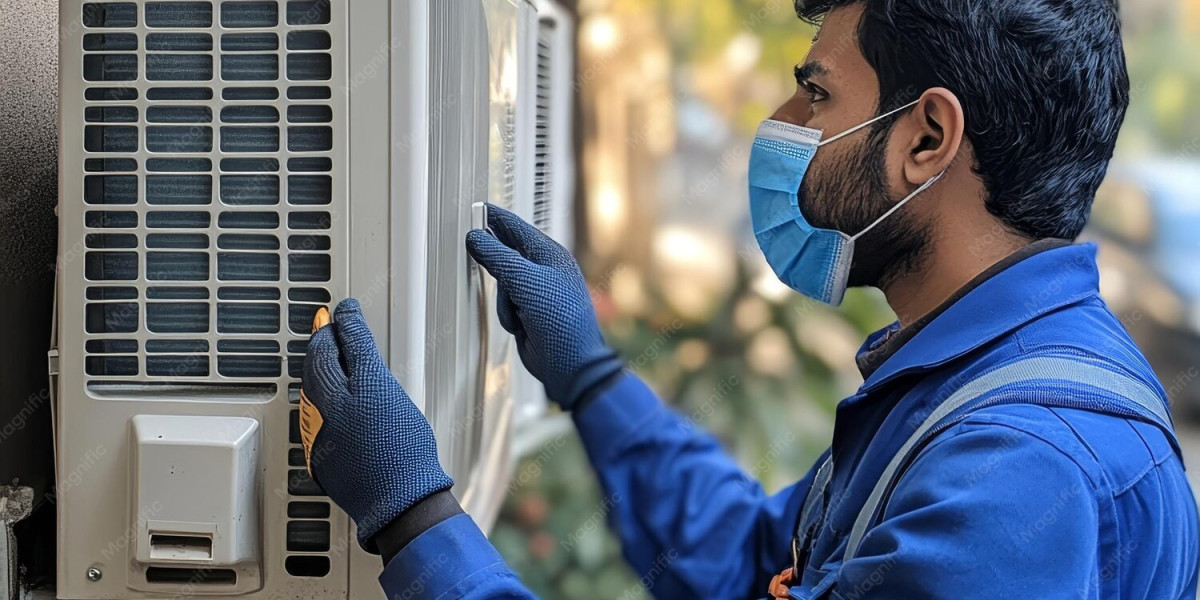

Learn how mountain elevations and desert winds affect your choice and maintenance of Tehachapi air conditioning systems for home comfort.
Nestled in the Tehachapi Mountains at an elevation of nearly 4,000 feet, the city of Tehachapi, California, experiences a unique transition climate. While famous for its wind and cooler mountain breezes, summer temperatures can still soar into the high 90s. This blend of alpine and semi-arid desert conditions makes understanding Tehachapi air conditioning requirements essential for local homeowners.
One of the primary factors influencing cooling in this region is elevation. At higher altitudes, the air is less dense, which can affect the heat transfer efficiency of standard HVAC systems. Cooling units must work slightly harder to displace heat from inside the home compared to sea-level systems. Therefore, proper sizing of cooling equipment is critical; a system that is too small will run constantly, while an oversized system will cycle on and off too quickly, leading to uneven temperatures and high energy bills.
Additionally, Tehachapi’s famous winds carry dust, pollen, and debris from the surrounding valleys. For local cooling systems, this means air filters clog much faster than they would in calmer regions. Regularly replacing filters and scheduling seasonal coil cleanings are vital steps to prevent airflow restriction, which can cause the system to freeze up or fail during the hottest summer weeks.
Because of the dramatic temperature swings between day and night in the mountains, many residents find that variable-capacity systems or heat pumps offer the most balanced comfort. These systems adjust dynamically to the shifting temperatures, providing efficient cooling when the afternoon sun peaks and gentle heating during chilly mountain nights.
Ultimately, keeping a home comfortable in this mountain-desert oasis requires a tailored approach. Prioritizing routine maintenance ensures that your system can handle the unique atmospheric challenges of the region.