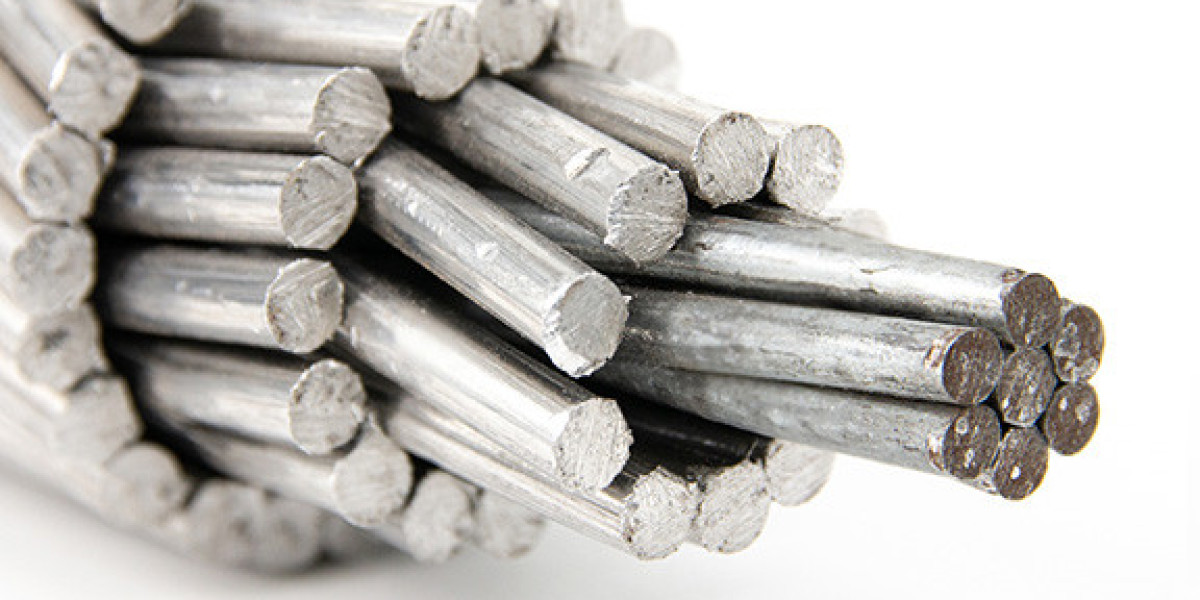

The global industrial landscape relies heavily on materials that combine high tensile strength with exceptional resistance to environmental degradation. Among the most fundamental materials utilized across heavy engineering, power distribution, construction, and telecommunications is galvanized steel wire. This remarkable metallic product has become a cornerstone of modern infrastructure, providing the structural integrity, durability, and resilience required to withstand harsh weather conditions, mechanical stress, and corrosive atmospheres. The process of applying a protective zinc coating to carbon steel wire fundamentally transforms its performance characteristics, elevating an otherwise corrosion-prone metal into a long-lasting, robust asset capable of serving demanding operational environments for decades. Understanding the intricacies of galvanized steel wire requires an exploration of its metallurgical composition, production methods, engineering standards, and diverse fields of application.
The journey of zinc-coated steel dates back centuries, evolving from rudimentary corrosion protection methods into sophisticated industrial manufacturing processes. Historically, iron and steel structures suffered immensely from rust and oxidation when exposed to moisture, atmospheric humidity, and chemical pollutants. The discovery and subsequent industrialization of hot-dip galvanizing revolutionized material science by introducing a sacrificial anode mechanism, where zinc corrodes preferentially over the underlying steel substrate. Over the decades, metallurgical engineering refined the techniques used to draw, clean, and coat steel wire, leading to the high-tensile, uniform-diameter products relied upon today. The evolution of galvanized steel wire mirrored the rapid expansion of global infrastructure, from the early days of telegraph lines and suspension bridges to modern high-voltage power transmission grids, underground utility networks, and sophisticated architectural marvels.
The production of premium galvanized steel wire involves a meticulously controlled multi-stage manufacturing sequence designed to ensure optimal mechanical properties and uniform coating thickness. The process typically begins with high-grade carbon steel wire rods procured from certified mills. These rods undergo mechanical descaling, usually through abrasive mechanical cleaning or acid pickling in hydrochloric or sulfuric acid solutions, to remove mill scale, oxides, and surface impurities that could interfere with the metallurgical bonding of the protective layer. Inhibitors are carefully managed in pickling baths to prevent over-pickling and hydrogen embrittlement of the steel.
Following surface preparation, the wire is subjected to cold drawing through a series of tungsten carbide or diamond dies installed on multi-block slip-type drawing machines to achieve the desired final diameter and precise mechanical tensile strength. Cold drawing increases the hardness and tensile strength of the steel through severe strain hardening, making it capable of bearing heavy structural loads. Once the target dimension is reached, the wire proceeds to the annealing stage if specific ductility levels and grain structures are required, relieving internal stresses induced by the high-pressure drawing process.
The core galvanizing stage can be executed through different methodologies, primarily hot-dip galvanizing and electro-galvanizing. In hot-dip galvanizing, the cleaned steel wire is passed through a flux solution to prevent oxidation before entering a bath of molten zinc maintained at precise temperatures, typically ranging from 450 to 480 degrees Celsius. This immersion causes a complex metallurgical reaction between the iron atoms in the steel and the molten zinc, forming a series of tightly bonded intermetallic alloy layers (such as gamma, delta, and zeta phases) topped by a pure zinc outer layer (eta phase). The thickness and uniformity of the zinc coating are regulated by passing the coated wire through specialized wiping mechanisms, nitrogen gas wipers, or charcoal beds immediately upon exiting the zinc bath.
Alternatively, electro-galvanizing utilizes an electrolytic process where zinc ions in an aqueous chemical bath are deposited onto the steel wire surface using a direct electrical current. This method provides an exceptionally smooth, uniform, and tightly controlled coating thickness, which is frequently utilized for specialized applications requiring tight dimensional tolerances and refined surface finishes. Regardless of the chosen method, rigorous cooling and post-treatment procedures, such as chromate passivation or water quenching, are applied to prevent premature white rust formation during storage and transport.
The exceptional performance of galvanized steel wire stems from its unique metallurgical structure and the electrochemical properties of zinc. When steel is coated with zinc, a dual protection mechanism is established. First, the coating acts as a physical barrier, isolating the underlying steel substrate from corrosive elements such as moisture, oxygen, atmospheric pollutants, and chemical agents. Second, and more importantly, zinc provides sacrificial cathodic protection. Because zinc is more electrochemically active than iron in the galvanic series, it will oxidize in preference to the steel if the coating is scratched, chipped, or breached. This means that even if a small area of the steel is exposed, the surrounding zinc coating will corrode sacrificially, protecting the exposed steel from rusting and preventing the corrosion from undercutting the coating layer.
The thickness and weight of the zinc coating are critical parameters that dictate the lifespan of the galvanized steel wire in various operating environments. Standards organizations categorize zinc coatings into different classes based on weight per unit area, coating uniformity, and purity. Heavy zinc coatings are typically specified for aggressive environments, such as marine coastal zones with high salt spray concentrations, industrial areas with heavy air pollution, chemical processing plants, or underground installations subject to aggressive soil chemistry and moisture.
Galvanized steel wire is an incredibly versatile material utilized across a vast spectrum of industries. One of its most prominent applications is in the power transmission and telecommunications sectors. Overhead power lines frequently employ galvanized steel wire as core reinforcement for aluminum conductor steel reinforced (ACSR) cables. The steel core provides the necessary mechanical tensile strength to support the heavy conductors across long spans between transmission towers, while the outer aluminum strands carry the electrical current. Furthermore, high-voltage overhead ground wires, also known as shield wires or earth wires, are constructed entirely of heavy-galvanized high-strength steel wire to protect power lines from lightning strikes and fault currents.
In the telecommunications industry, galvanized steel wire serves as messenger wire for aerial fiber optic and copper cables, supporting the weight of the communication lines over long spans and resisting wind-induced vibrations, snow loads, and ice accumulation. Additionally, armored underground communication and power cables incorporate galvanized steel wire armor layers to protect internal insulation and conductors from mechanical damage, rodent bites, shifting earth, and crushing forces during installation and operation.
Agriculture and farming represent another major sector reliant on galvanized steel wire. Agricultural fencing, livestock enclosures, vineyard trellising, orchard support systems, and greenhouse structures heavily utilize high-tensile galvanized wire. Its ability to withstand prolonged exposure to fertilizers, animal waste, soil moisture, UV radiation, and changing weather without degrading makes it the ideal material for containing livestock, supporting heavy crop yields, and maintaining agricultural boundaries over long operational lifespans.
Construction and structural engineering also depend heavily on this material. Galvanized steel wire is used in pre-stressed and post-tensioned concrete structures, gabion baskets for retaining walls and riverbank erosion control, wire rope slings, lifting rigging, suspension bridge cables, and structural safety netting. Its reliability in heavy load-bearing scenarios ensures the safety and longevity of civil infrastructure projects worldwide.
The engineering community evaluates galvanized steel wire based on strict mechanical and chemical specifications. Tensile strength grades vary widely depending on the intended application, ranging from soft annealed wire for binding, tying, and armoring to extra-high-strength (EHS) wire used in heavy-duty guy lines, stay wires, and structural suspension systems. Elongation properties, torsional ductility, and wrapping characteristics are also rigorously tested during quality assessment. Torsional tests measure the wire's ability to undergo twisting without cracking or flaking the zinc coating, ensuring that the material can withstand the rigors of installation, twisting, and mechanical forming. Coating adhesion is another critical parameter; the zinc layer must remain firmly bonded to the steel substrate even when the wire is bent around tight radii or subjected to severe mechanical deformation.
Wire diameter tolerances are maintained with extreme precision, often within fractions of a millimeter, to ensure compatibility with standard industrial machinery, dies, fastening hardware, and stranding equipment. Standardized wire gauges, such as the Birmingham Wire Gauge (BWG), American Wire Gauge (AWG), or metric millimeter sizing, provide a common language for engineers, procurement specialists, and manufacturers globally.
Proper installation and handling practices are essential to maximize the operational lifespan of galvanized steel wire installations. Although the zinc coating offers robust corrosion resistance, mechanical abuse during transport and installation can compromise its integrity. Workers must avoid dragging wire coils over abrasive surfaces, using sharp tools that could gouge the protective coating, or exposing the material to incompatible chemicals that might accelerate zinc degradation.
During stringing, tensioning, and splicing operations, appropriate stringing equipment with smooth sheaves, lined pulleys, and correct bending radii should be utilized to prevent excessive friction and surface scratching. When cutting galvanized steel wire on-site, proper tools such as hydraulic cutters or ratchet shears should be employed to ensure clean ends without fraying or excessive deformation.
While galvanized steel wire is renowned for its low maintenance requirements, periodic visual inspections in highly corrosive environments are recommended. Inspectors check for signs of white rust, localized coating damage, or corrosion products, allowing maintenance teams to apply touch-up zinc-rich paints or protective coatings if premature wear is detected. Proper earthing and grounding practices should also be observed when galvanized steel wire is used in electrical or telecommunications applications to prevent stray currents and electrochemical corrosion.
The global marketplace demands adherence to stringent quality assurance protocols for galvanized steel wire manufacturing. International standards organizations, such as the American Society for Testing and Materials (ASTM), the International Organization for Standardization (ISO), the British Standards Institution (BSI), and the European Committee for Standardization (CEN), publish comprehensive specifications governing every aspect of production, coating weight, mechanical strength, and chemical composition.
These standards outline mandatory testing procedures, including chemical composition analysis of the raw steel, tensile strength testing, wrap tests for coating adhesion, stripping tests to determine exact zinc coating weight per unit surface area, and salt spray fog testing to evaluate long-term corrosion resistance. Manufacturers implement robust quality management systems, often certified to ISO 9001 standards, to trace raw materials through every stage of drawing, heat treatment, and galvanizing, ensuring that every batch delivered to end-users meets exacting performance criteria.
Modern manufacturing processes for galvanized steel wire place significant emphasis on environmental sustainability and resource efficiency. Zinc is a fully recyclable metal, and scrap galvanized steel can be efficiently re-melted and processed without losing its inherent properties. Steel itself is also among the most recycled materials globally, creating a circular life cycle for products manufactured from these components.
Advanced galvanizing plants utilize closed-loop water treatment systems, acid regeneration units to minimize chemical waste, and energy-efficient heating technologies in molten zinc baths to reduce carbon emissions. By extending the operational service life of infrastructure assets, galvanized steel wire reduces the need for frequent replacements, conserving natural resources and minimizing the environmental footprint associated with manufacturing, transport, and installation.
Final Thoughts
The widespread integration of galvanized steel wire across diverse industries highlights its indispensable role in building and maintaining modern global infrastructure. From supporting towering electrical grids and high-speed communication networks to securing agricultural lands and reinforcing massive civil engineering structures, this material delivers unmatched reliability and structural integrity. Through precise manufacturing techniques, advanced metallurgical engineering, and strict adherence to international quality standards, galvanized steel wire continues to meet the evolving demands of engineers and builders worldwide. Its enduring performance in challenging environments cements its position as a foundational element of industrial progress and structural longevity.