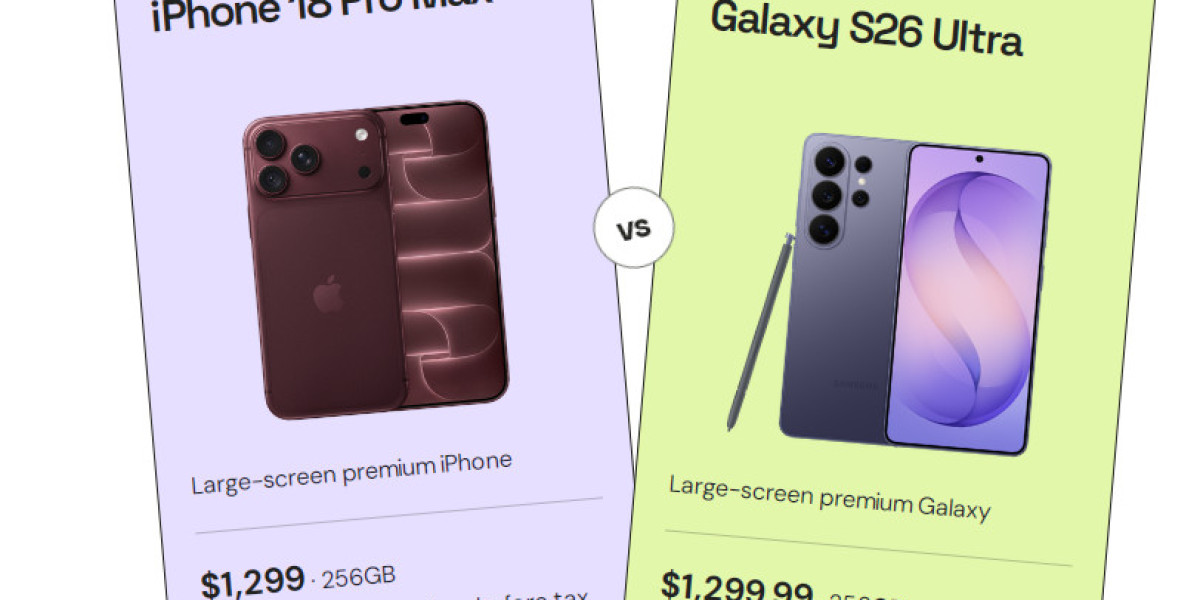

When you want to compare iPhone prices, it is important to look beyond the number shown on the product page. Different iPhone models have different storage options, features, camera systems, displays, and performance levels. Apple’s current lineup includes models such as the iPhone 17, iPhone 17e, iPhone Air, iPhone 18 Pro, and other devices, so understanding the differences can make phone shopping much easier.
Why iPhone Prices Are Different
Not every iPhone costs the same because each model is designed for a different type of user. Some phones focus on everyday performance, while Pro models provide more advanced features. Storage capacity can also increase the final price.
For example, Apple currently lists the iPhone 17 from $899 on its U.S. shopping page, while the iPhone 17e starts at $699 and the iPhone 16 starts at $799. These are starting prices, so the amount can change depending on storage, connectivity, taxes, promotions, and purchasing options.
This difference shows why checking only one model may not give you enough information. A slightly older phone may have a lower starting price while still providing many features that everyday users need.
Check the Model Generation
The model generation is one of the first things to consider when looking at phone costs. Newer models generally introduce updated hardware and additional features, while older models may become more affordable.
Apple's comparison page includes a wide range of generations, from recent models to older iPhones. This makes it possible to examine different devices according to their specifications and listed pricing.
A newer phone is not automatically the right choice for everyone. If you mainly use your device for calls, messaging, social media, browsing, photos, and streaming, an earlier model may already provide enough performance.
Compare Storage Options
Storage is another important part of the final cost. An iPhone with more storage usually costs more than the same model with a smaller capacity.
For instance, Apple's iPhone 17 shopping page lists 256GB and 512GB configurations. The listed price also varies depending on the selected purchasing and connectivity option.
Think about how you normally use your phone before paying extra for storage. People who take many high-resolution photos, record lots of videos, download games, or keep large files offline may benefit from additional space.
On the other hand, users who mostly stream content and store files in cloud services may not need the largest capacity.
Look at Features Instead of Price Alone
A lower price does not tell the complete story. You should compare the features included with each device.
Consider the display, processor, cameras, battery life, storage, connectivity, and software support. These factors can have a greater effect on your daily experience than a small difference in the purchase price.
Apple's current product information, for example, lists the iPhone 17 with a 6.3-inch display, A19 chip, 48MP Dual Fusion camera system, and up to 30 hours of video playback.
The iPhone 17e has a 6.1-inch display, A19 chip, 48MP Fusion camera system, and up to 26 hours of video playback.
Looking at these specifications helps explain why two phones with similar names can have different prices.
Consider Your Daily Phone Use
Before choosing a device, think about what you actually do with your phone every day.
If you use your phone for basic communication, browsing, social networking, and occasional photography, you may not need the most expensive model.
Someone who works with demanding apps, takes professional-style photographs, records a lot of video, or wants advanced hardware may have different requirements.
Students may also want to focus on storage, battery life, and overall affordability. Business users might care more about performance, reliability, connectivity, and long-term use.
Making a short list of your needs can prevent you from paying for features you may rarely use.
Check Prices in Your Country
iPhone pricing is not identical worldwide. Apple operates regional stores with prices shown in local currencies, and taxes and other market conditions can affect the final amount.
For example, Apple's Saudi Arabian store currently lists the iPhone 17 from SAR 4,299 and the iPhone 17e from SAR 3,299. Apple's Indian education store lists different starting prices in rupees.
Therefore, always check the official regional Apple website or a trusted local retailer before making a purchase.
This is especially important if you are comparing a price shown in another country with the price available in your own market.
Remember Taxes and Extra Costs
The advertised phone price may not always represent the complete amount you will spend. Depending on where you live, taxes, shipping, accessories, warranty options, or other charges may affect the final cost.
Some retailers may also offer financing or trade-in programs. Apple currently provides different payment options in some markets, while its regional stores can show different pricing structures.
When comparing two phones, use the final amount you would actually pay rather than comparing promotional numbers alone.
New or Older iPhone?
Buying an older iPhone can sometimes reduce the purchase cost. However, you should check its condition, remaining software support, battery health if buying used, and available storage.
A new phone may cost more but can provide a longer period of use without concerns about previous ownership.
If you are buying a used device, carefully inspect the battery, screen, cameras, charging port, Face ID or other biometric features, and overall condition. Also verify that the device is not locked to another account.
Compare Deals Carefully
Retailers sometimes provide discounts, trade-in offers, bundles, or installment plans. These deals can make the final purchase amount different from Apple's standard listed price.
However, read the conditions before accepting an offer. A lower monthly payment does not necessarily mean a lower total cost.
Check the number of payments, required plan, upfront amount, trade-in conditions, and any additional charges. This gives you a clearer picture of what the phone will actually cost.
Use an iPhone Comparison Table
A simple comparison table can make your research easier. Write down the models you are considering and compare their starting prices, storage, display size, cameras, processor, battery information, and important features.
Apple itself provides a comparison tool where users can select different iPhone models and view their specifications side by side.
This approach is helpful because you can quickly identify which differences matter to you instead of switching between several product pages.
Think About Long-Term Value
The cheapest phone is not always the least expensive choice over several years. A device that meets your needs for a longer period may provide better practical value.
Consider how long you expect to keep the phone. If you plan to use it for several years, storage, battery performance, processing power, and software compatibility become more important.
You should also consider whether you frequently replace phones. Someone who upgrades every year may have different priorities from someone who keeps the same device for four or five years.
Final Thoughts
Choosing an iPhone becomes easier when you look at more than the headline price. Compare models, storage capacities, features, regional pricing, payment options, and your own daily requirements before making a decision.
Apple's official comparison and shopping pages provide current model information and regional prices, which makes them useful starting points for research.
Take your time, write down the features you actually need, and check the complete purchase cost. A careful comparison can help you understand the differences between models and choose a phone that fits your budget and everyday needs.