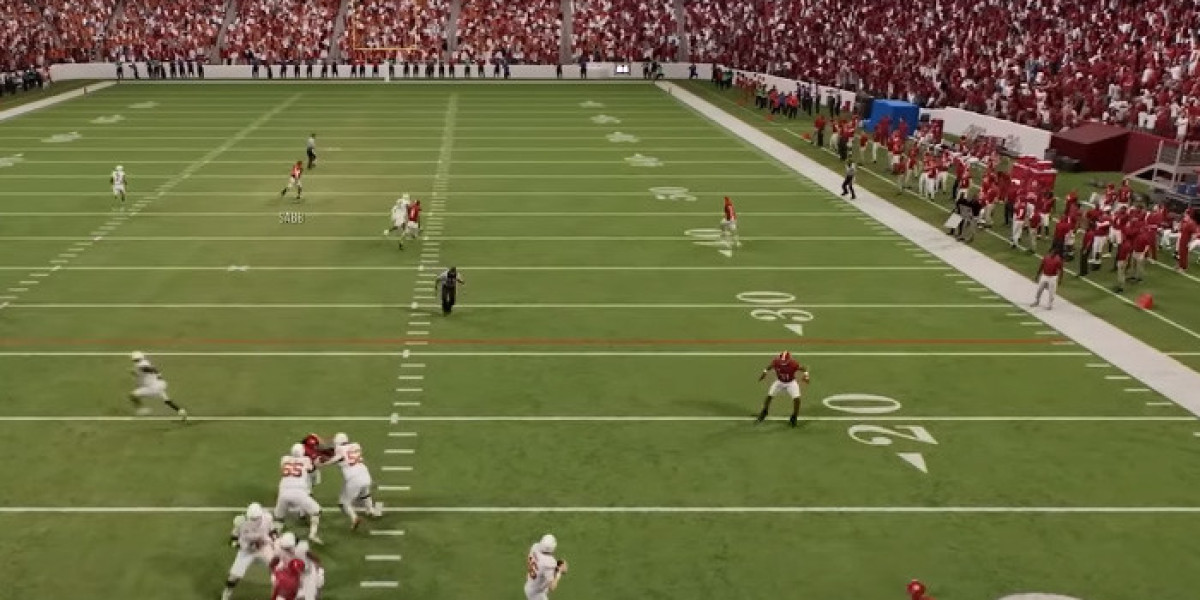

I didn’t understand the phrase “media rights” the first time I heard it. I just knew the screen in front of me felt different—angles sharper, commentary deeper, choices wider. I remember sitting there, realizing that the game wasn’t just a game anymore; it was a crafted experience shaped by forces I couldn’t see. One short line still rings in my mind: the view decides the feeling.
As I grew older, I started wondering why some matches felt monumental while others slipped quietly past the public eye. I didn’t know it then, but I was starting to witness how ownership over distribution shaped the emotional weight of sport. I just didn’t have the words for it yet.
How Broadcast Decisions Quietly Changed My Routine
I noticed the shift most clearly in my own habits. The rhythm of my week used to hinge on traditional programming—fixed times, limited replays, a shared appointment with everyone else watching. But when digital platforms entered the scene, my patterns loosened. Suddenly, I watched highlights at dawn, full matches at odd hours, and tactical clips whenever curiosity struck.
That flexibility made me feel strangely empowered. Yet with that freedom came new questions. Why was this match available and not that one? Why did coverage change from platform to platform? I didn’t know the contracts behind the curtain, but I could feel their influence shaping my routine. Looking back, I see how media rights quietly rearranged my relationship with sport.
When I Learned That Rights Agreements Build Entire Narratives
There came a point when I started reading deeper about how distribution decisions influenced the prominence of stories. Sometimes I stumbled into commentary that examined commercial patterns, similar in tone to discussions I’d see later on rotowire, where people analyzed not just what happened but why certain events earned more attention.
That’s when I realized something simple but important: visibility isn’t accidental. It’s negotiated, planned, and often contested. I began noticing how certain leagues gained global momentum, not because the competition suddenly changed, but because their distribution widened. One short line kept returning: access creates meaning.
As I followed different sports across different platforms, I felt myself learning a new kind of literacy—how to read the signs of what broadcasters wanted me to value.
My First Encounter With the Business Side Behind the Scenes
I still remember the moment I saw a detailed guide—presented almost like a playbook—describing how sponsorship and viewership aligned. I didn’t memorize it, but I recognized the structure: patterns, tactics, choices. It reminded me of something like a Sponsorship Strategy Playbook, even if I didn’t call it that then.
For the first time, I understood that every broadcast slot had a purpose. Every highlight package served a direction. Every time a league shifted its schedule, it aligned with an invisible framework that balanced audience expectations with commercial interests.
It felt like discovering a second story beneath the first one—the game on the surface and the business shaping the contours below.
How Fragmentation Changed the Feeling of Belonging
As more platforms entered the scene, I felt the atmosphere shift again. Instead of one unified conversation, the community split into smaller circles. Some people watched the same match on different platforms. Others could access only part of a season.
I noticed friends describing moments I had never seen, not because I didn’t care, but because I didn’t have access to the same source. This fragmentation made me wonder whether media rights were pulling us together or pushing us apart. One short sentence captures the tension: choice creates distance.
I missed the simplicity of shared viewing, but I couldn’t deny that the new landscape offered richer insights and more tailored experiences. I found myself juggling both feelings with equal sincerity.
When Global Deals Changed How I Perceived Rivalries
As leagues expanded into international broadcasting, I began to sense a shift in how rivalries were framed. They felt bigger, more symbolic, sometimes even more dramatic than before. I wasn’t sure if the matches were truly different or if the packaging gave them new magnitude.
Global coverage introduced storylines influenced by cultural interpretation rather than local familiarity. Each region added its own lens. I often wondered how many versions of the same rivalry existed in the world—each shaped by whoever held the media rights in that region.
This realization made me see sport as a mosaic. What I viewed wasn’t the universal story—it was one interpretation curated for my region, my habits, my platform.
How I Started Questioning the Future of Access
The more I observed, the more I wondered about sustainability. Would increased competition among distributors make viewing more expensive? Would leagues chase new markets at the cost of longtime communities?
I didn’t have firm answers, but I noticed patterns. Rights cycles grew shorter. Distribution models shifted faster. New technologies promised innovation but required constant adjustment. I found myself asking whether stability was still possible in an ecosystem built on constant negotiation.
One line echoed in my thoughts: access must stay meaningful to stay valuable.
When I Began Seeing Fans as Part of the Equation
There came a point when I recognized something obvious that I had somehow been missing: every rights decision reshaped the fan experience first. The fan’s time, attention, and emotional investment all functioned as the foundation for the entire structure.
I began paying attention to how different groups adapted—some migrated toward digital-first viewing, others stayed anchored to traditional broadcasts. Younger audiences gravitated toward short-form content; older audiences valued routine. I started wondering where I fit in that spectrum, and how my habits influenced the future I was analyzing from afar.
How Emotion, Access, and Identity Intertwined
As I looked back across the shifts in my own viewing life, I realized that media rights had influenced not only what I watched but how I felt. The ability to follow a season consistently shaped my loyalty. The loss of access reshaped my curiosity. Improvements in coverage deepened my understanding.
I felt my identity as a fan develop through these subtle negotiations. Every broadcast window, every highlight clip, every commentary style had contributed to the way I internalized sport. And once I recognized that, I couldn’t unsee it.
Where I Stand Now—and What I Believe Comes Next
Today, when I think about Media Rights in Sports, I don’t see isolated deals or complex contracts. I see the shifting architecture of connection. I see choices that shape cultural rhythms. I see platforms that influence how communities form and drift.
If the past taught me anything, it’s that media rights aren’t just business—they’re emotional infrastructure. They determine how easily we gather around stories that matter.
My hope for the future is simple: that access becomes thoughtful rather than fragmented, that visibility expands without distortion, and that the stories we love remain reachable to the communities that give them meaning.