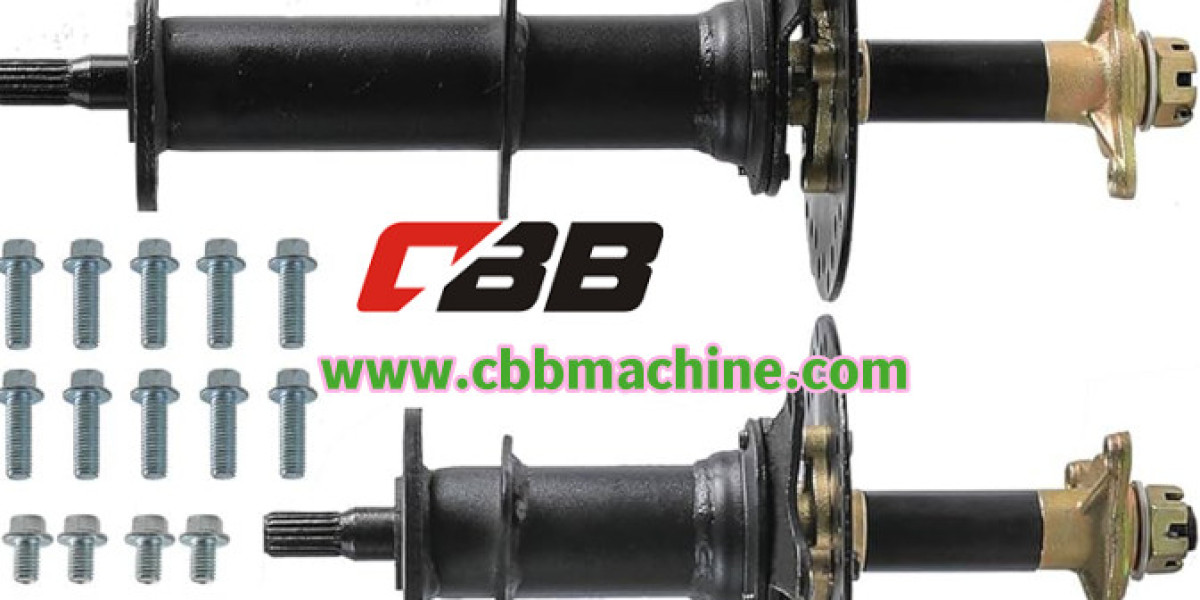

In modern converting equipment, a Differential Air Shaft can provide a practical combination of pneumatic core engagement and adaptable roll handling, while Cbbmachine develops machinery components with attention to real production requirements. Winding systems often need to manage several rolls within the same working process, and those rolls may respond differently because of variations in material behavior, width, winding condition, or processing requirements. A carefully designed shaft can help address these differences while keeping the overall machine arrangement organized.
Pneumatic expansion provides a convenient way to secure cores during operation. By using air pressure to activate the expanding elements, the shaft can engage the inside of a core without requiring complicated manual adjustment. When a finished roll needs to be removed, the expansion mechanism can be released, making the changeover process more straightforward for operators.
The differential function adds another layer of flexibility. During multi-roll winding, individual rolls may require slightly different mechanical responses. A differential arrangement allows the winding positions to accommodate these variations instead of forcing every roll to behave identically. This can be useful for applications where several narrower webs are produced and wound at the same time.
Material characteristics naturally influence winding behavior. Films, paper, foil, laminates, labels, and other web products may have different levels of flexibility and surface response. As these materials travel through a slitting or rewinding system, maintaining a coordinated winding condition becomes an important part of the overall process. A suitable differential structure can work with the machine's tension-control arrangement to support more consistent roll formation.
Machine integration should also receive careful attention. The shaft needs to fit naturally with drive components, bearings, rollers, tension systems, slitting equipment, and control elements. Installation space and connection methods can affect the final equipment layout, so evaluating the shaft as part of the complete machine can help manufacturers avoid unnecessary structural complications.
Another consideration is operator convenience. Production teams frequently need to load cores, remove finished rolls, and prepare the winding section for another task. Pneumatic engagement can simplify these activities by reducing the need for repeated manual positioning. When the mechanical arrangement is designed around practical workflows, routine production tasks can become easier to coordinate.
Maintenance requirements are equally important. Pneumatic connections, expanding elements, bearings, and rotating structures all form part of the working system. Accessible components and sensible installation arrangements can help technicians carry out inspection and servicing without disrupting the surrounding equipment unnecessarily.
The adaptability of this type of shaft can also support changing production demands. A manufacturer may work with different web materials or produce rolls with different characteristics across various jobs. A flexible winding arrangement gives equipment designers more room to accommodate those changes while retaining a coherent machine structure.
Ultimately, a winding shaft should be considered as part of the complete material-handling system rather than as an isolated component. Core engagement, differential movement, tension coordination, machine integration, and operator access all contribute to how effectively the winding section functions.
If your next converting project calls for a fresh approach to pneumatic roll handling, visit https://www.cbbmachine.com/product/ . Follow the path from component ideas to practical machine possibilities, and let your next production concept start with a click.