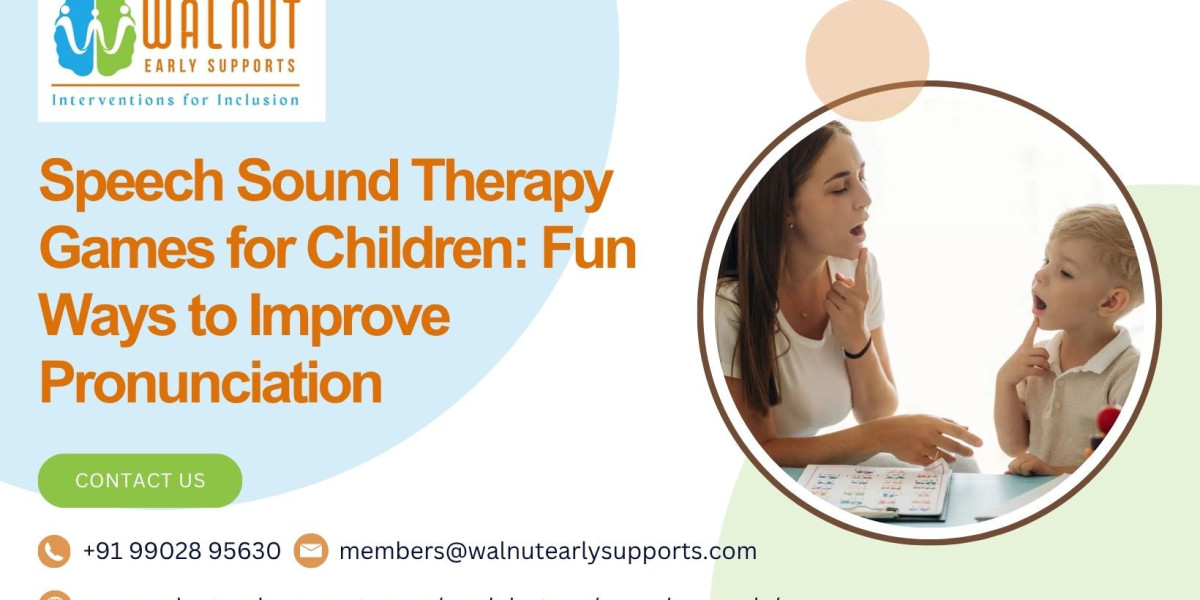

Clear speech develops gradually as children learn to recognize, produce, and use different sounds. Some children may find certain sounds difficult, making everyday communication frustrating or challenging. Practice can become much easier when children are given opportunities to learn through play.
Speech Sound Therapy Games can make sound practice more enjoyable by combining repetition, interaction, and simple challenges. Instead of feeling like a difficult task, practice becomes an activity children can look forward to.
Why Speech Sound Practice Matters
Children learn speech sounds at different rates. While some sound errors are part of typical development, persistent difficulties may affect how clearly a child communicates with family members, teachers, and peers.
Speech sound practice helps children become more aware of how sounds are made and how they are used in words. Depending on a child's needs, activities may focus on listening, identifying sounds, producing individual sounds, or practicing sounds in words and sentences.
A speech-language pathologist can assess a child's speech and determine which sounds need attention. Professional guidance is particularly helpful when speech difficulties continue or significantly affect communication.
How Games Make Speech Practice More Engaging
Young children often learn best when they are actively involved. Games can provide repeated practice without making every activity feel like a formal lesson.
For example, a child can practice a target sound while playing a matching game, naming pictures, choosing objects, or completing a simple challenge. Each turn creates another opportunity to practice.
Good Speech Sound Therapy Games should match the child's age, communication level, and therapy goals. Activities can begin with simple sound practice and gradually move toward words, phrases, and connected speech.
The goal is not simply to make a game entertaining. The activity should create meaningful opportunities for the child to listen, respond, practice, and receive supportive feedback.
Fun Game Ideas for Speech Sound Practice
1. Picture Matching Games
Picture cards can be used to practice words containing a target sound. Ask the child to match identical pictures or pair pictures according to a category.
After each match, encourage the child to say the word. This creates natural repetition while keeping the activity simple.
2. Sound Treasure Hunt
Create a small collection of pictures or objects containing the target sound. Ask the child to find them around the room.
Each time the child finds an item, encourage them to name it. For older children, you can ask them to use the word in a short sentence.
3. Spin-and-Say Games
A spinner can determine which picture or word the child needs to practice. The child spins, selects an item, and says the word.
Adding small actions, such as clapping or moving a game piece, can make repeated practice more engaging.
4. Sorting Activities
Sorting games allow children to practice listening as well as speaking. Pictures can be divided into groups based on their sounds, word categories, or positions.
For example, children can listen to two words and decide whether they contain the same target sound. This supports sound awareness while introducing a playful challenge.
5. Sentence Challenge
Once a child becomes more comfortable producing a target sound in individual words, move toward short phrases and sentences.
Give the child a picture and ask them to create a simple sentence using the word. This helps connect sound practice with everyday communication.
Choosing Appropriate Therapy Materials
Parents, teachers, and therapists can use speech sound therapy resources to provide structured opportunities for practice. Useful materials may include picture cards, sound activities, matching tasks, word lists, and interactive digital activities.
When selecting materials, consider whether the activity matches the child's current ability. A task that is too difficult may cause frustration, while an activity that is too easy may not provide enough practice.
Digital materials can also be useful when they provide clear visuals, repetition, and opportunities for active participation. However, technology works best when it supports a purposeful therapy goal rather than replacing professional guidance.
Supporting Speech Practice at Home
Parents can support speech development by creating short, positive practice opportunities during everyday routines. Instead of expecting a long practice session, try a few minutes while reading a picture book, playing a board game, or talking about daily activities.
Give the child enough time to respond and avoid correcting every mistake. If a child struggles with a word, model the correct production naturally and encourage another attempt when appropriate.
For children who require more structured support, speech sound therapy for children should be guided by their individual speech needs. A qualified speech-language professional can recommend suitable goals and practice strategies.
Making Progress Comfortable and Positive
Every child develops at a different pace. Progress may involve producing a sound more accurately, using it in more words, or becoming more confident during conversations.
The most effective activities are those that combine clear goals with positive interaction. Speech Sound Therapy Games can provide repeated practice while helping children stay interested and involved.
For parents and professionals looking for broader child development therapy resources, activities that support communication, attention, learning, and social interaction can complement speech-focused practice.
Most importantly, speech practice should feel supportive rather than stressful. With appropriate goals, consistent practice, and engaging activities, children can build their speech skills step by step while enjoying the learning process.







