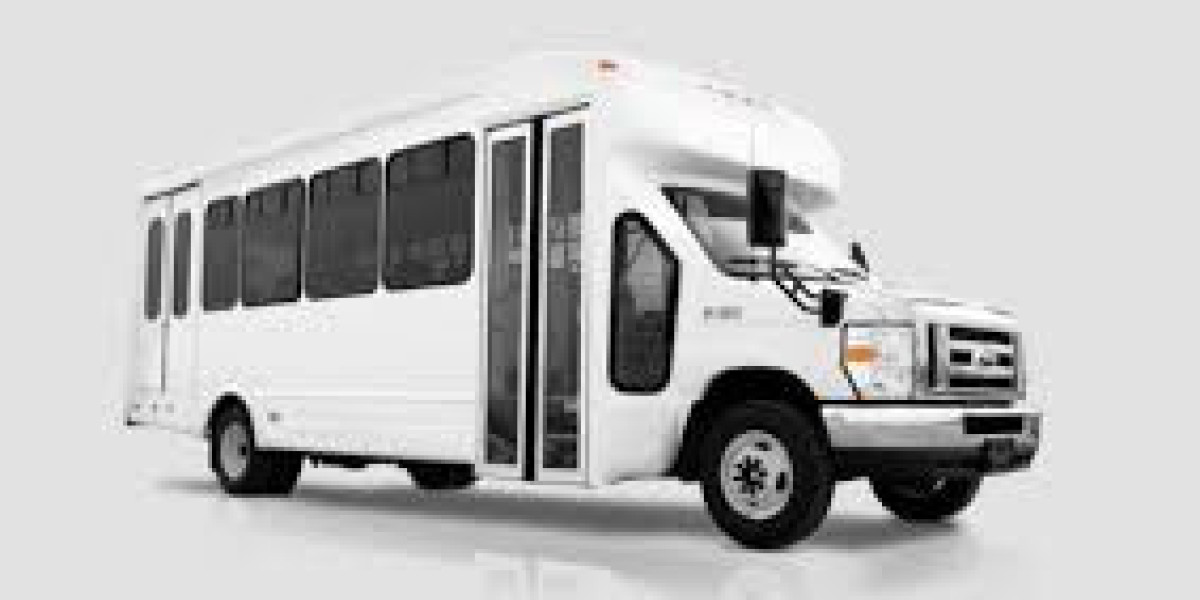

Planning transportation for a large group can quickly become complicated when everyone is traveling separately. Different departure times, limited parking, unfamiliar roads, and the need to coordinate multiple vehicles can turn a simple outing into a stressful experience. Choosing organized group transportation allows us to bring everyone together, simplify the itinerary, and make the journey more comfortable from beginning to end.
When arranging Bus Rental Toronto, we need to look beyond the basic question of whether a vehicle is available. The right transportation option depends on the size of our group, destination, travel schedule, luggage requirements, comfort expectations, and the type of event we are attending. Understanding these factors before booking helps us avoid common problems and choose transportation that matches our actual needs.
Why Choose a Bus for Group Transportation in Toronto?
Toronto is a busy metropolitan area with a wide range of attractions, business districts, event venues, hotels, airports, and surrounding destinations. Moving a large group through this environment can be challenging when everyone relies on separate cars.
A rental bus provides one coordinated transportation solution. Instead of asking every participant to navigate traffic independently, we can arrange transportation around a shared schedule. This is particularly useful for weddings, corporate events, school trips, sports teams, family gatherings, conferences, airport transfers, and sightseeing tours.
One of the biggest advantages is group coordination. When everyone travels together, there is less risk of people becoming separated or arriving at different times. We can establish a common pickup location, follow a planned itinerary, and keep the group organized throughout the day.
Another benefit is convenience. A professional vehicle eliminates the need for several people to focus on driving, navigation, parking, and traffic conditions. This allows passengers to use their travel time for conversation, preparation, relaxation, or simply enjoying the journey.
Understanding Different Bus Sizes
Before booking, we should determine how many passengers will actually travel. Choosing a vehicle that is too small can create discomfort, while booking a much larger vehicle than necessary may result in unnecessary expense.
Smaller groups may be comfortable in a minibus, particularly when the trip involves short distances or a limited number of passengers. These vehicles can be practical for private events, corporate transportation, airport transfers, and smaller tours.
Medium-sized groups may require a larger shuttle or coach. These options generally provide more seating capacity while maintaining a practical layout for organized transportation.
For larger groups, a full-size motor coach can provide substantial passenger capacity and additional onboard amenities. This can be especially useful for long-distance trips, conferences, sports events, and multi-stop tours.
We should also consider luggage. A group traveling with suitcases may need more storage space than a group attending a local event. Passenger capacity alone does not tell us whether a vehicle will be suitable.
What to Check Before Booking
A successful Bus Rental Toronto experience starts with asking the right questions before confirming the reservation. We should not assume that every rental company provides identical vehicles, services, policies, or amenities.
First, confirm the maximum passenger capacity and make sure it reflects the actual seating arrangement. If our group has 40 passengers, for example, we should not automatically select a vehicle advertised for 40 people without considering luggage, personal space, or special requirements.
Next, ask about the vehicle's amenities. Depending on the type of journey, useful features may include comfortable reclining seats, air conditioning, climate control, luggage storage, Wi-Fi, charging ports, entertainment systems, or onboard restrooms.
We should also confirm the pickup and drop-off arrangements. Provide accurate addresses, expected departure times, planned stops, and the approximate duration of the trip. Clear information allows the transportation provider to determine whether the requested schedule is practical.
Planning the Route in Advance
Toronto traffic can affect travel times, especially during busy periods. Although no transportation provider can control every traffic condition, careful planning can reduce unnecessary complications.
We should identify all major stops before the trip. A simple itinerary might include a hotel pickup, event venue, restaurant, sightseeing destination, and final return location. A detailed itinerary makes it easier for the driver and passengers to understand the day's schedule.
If the trip involves multiple destinations, we should allow reasonable time between stops rather than creating an itinerary that leaves no flexibility. Unexpected traffic, passenger loading, parking restrictions, and event delays can affect the schedule.
For airport transportation, flight schedules should also be considered. When a group is arriving together, we should provide flight information where appropriate and establish a practical meeting location. For departures, additional time should be allowed for airport procedures and potential traffic delays.
Bus Rental for Weddings and Special Events
Weddings require particularly careful transportation planning because guests often travel between multiple locations.
We may need transportation from hotels to the ceremony, from the ceremony to the reception, and later back to hotels. Providing organized group transportation can help keep guests together and reduce the possibility of late arrivals.
The same principle applies to birthdays, anniversaries, family celebrations, concerts, festivals, and private gatherings. When an event has a fixed starting time, reliable transportation becomes an important part of the overall schedule.
For weddings, we should also consider the appearance and condition of the vehicle. A clean, well-maintained interior can complement the formal nature of the occasion.
Corporate and Business Transportation
Corporate groups often have different transportation requirements from tourists or private groups. Employees, clients, conference attendees, and executives may need transportation between hotels, offices, meeting venues, airports, and event locations.
With Bus Rental Toronto, companies can organize transportation around a structured itinerary rather than relying on multiple taxis or rideshare vehicles. This can make it easier to manage large groups and maintain a consistent schedule.
For conferences, transportation may be needed at several different times throughout the day. We should provide the rental company with a complete schedule so that vehicles and drivers can be coordinated appropriately.
Professional transportation can also create a more organized experience for clients and visiting business partners. The goal is not simply to move passengers but to make the entire transportation process predictable and convenient.
Airport Transfers for Groups
Airport transportation becomes more complicated when a large number of passengers are traveling together. Several individual vehicles can mean multiple pickup arrangements, different arrival times, and difficulty keeping luggage organized.
A group bus can simplify this process by bringing passengers together under one transportation plan. Before booking, we should determine the number of travelers, amount of luggage, airport terminal information, and required pickup or drop-off times.
For departures, it is important to plan conservatively. Toronto traffic can vary significantly, so the itinerary should provide sufficient travel time rather than relying on an unusually short journey.
For arrivals, the group should have a clear meeting point. Everyone should know where to go after collecting luggage so that the transportation process remains organized.
Comfort and Amenities Matter
The number of seats is only one part of a good group transportation experience. Comfort becomes increasingly important as journey duration increases.
For longer trips, we should consider reclining seats, climate control, sufficient legroom, luggage capacity, and convenient boarding arrangements. Wi-Fi and charging ports may also be useful when passengers need to work, communicate, or use entertainment during the journey.
For shorter trips, some amenities may be less important. This is why we should match the vehicle to the journey rather than automatically choosing the most expensive option.
Accessibility should also be discussed in advance. If someone in our group has mobility requirements, we should tell the transportation provider before booking and confirm what accommodations are available.
Understanding Rental Costs
The price of group transportation can depend on several factors. These may include vehicle type, passenger count, travel distance, rental duration, number of stops, schedule, and additional services.
Rather than focusing only on the initial quoted amount, we should ask what is included. Some providers may have different policies regarding mileage, waiting time, additional hours, parking, tolls, or other trip-related expenses.
A clear quotation helps us compare transportation options more accurately. We should make sure that the quote corresponds to the complete itinerary rather than only the basic travel time.
For large groups, the overall cost should also be considered on a per-passenger basis. A single bus may appear more expensive than one individual car, but the comparison changes when the cost is distributed among many passengers.
How Far in Advance Should We Book?
Booking early is particularly important for large events and busy travel periods. Popular dates can have greater demand, especially around weddings, conferences, festivals, holidays, and major events.
Once we know our passenger count and itinerary, we should begin contacting transportation providers. Early planning gives us more time to compare vehicle types, ask questions, review policies, and make adjustments.
Last-minute reservations may limit our available choices. We may have fewer vehicle sizes or departure times to select from, particularly if our group requires a specific type of coach.
Questions to Ask the Rental Company
Before confirming a reservation, we should ask several practical questions:
How many passengers can the vehicle accommodate?
How much luggage can it hold?
What amenities are included?
Is the quoted price based on hours, distance, or the complete itinerary?
Are additional stops permitted?
What happens if the schedule changes?
What is the cancellation policy?
How early should passengers arrive at pickup?
Are accessibility accommodations available?
Is a professional driver included?
What happens if we need additional rental time?
Getting clear answers in advance reduces misunderstandings on the day of travel.
Common Booking Mistakes to Avoid
One of the most common mistakes is choosing a vehicle based only on passenger capacity. We should consider luggage, comfort, and the length of the journey as well.
Another mistake is providing an incomplete itinerary. If the transportation provider does not know about additional stops or extended waiting periods, the original quotation and schedule may not reflect our actual needs.
We should also avoid assuming that all amenities are included automatically. Features such as Wi-Fi, charging ports, entertainment equipment, and accessibility options can vary by vehicle.
Finally, we should review the cancellation and payment terms before making a commitment. Understanding the policy in advance makes the reservation process much clearer.
Making the Day of Travel Easier
Good preparation can make the actual travel day considerably smoother. We should share the pickup location and departure time with every passenger in advance. If the pickup point is large or unfamiliar, clear instructions can prevent confusion.
A group leader or designated coordinator can also help. This person can confirm that passengers have arrived, communicate schedule changes, and maintain contact with the driver or transportation provider when necessary.
Passengers should arrive before the scheduled departure rather than expecting the driver to wait for everyone. A few minutes of preparation can make a significant difference when the itinerary includes multiple time-sensitive stops.
Choosing Transportation for Different Trip Types
Different journeys require different transportation strategies. A short local event may need a smaller vehicle with basic amenities, while a full-day sightseeing trip may justify a more comfortable coach.
A sports team may prioritize luggage and equipment storage. A corporate group may prioritize punctuality and onboard connectivity. A wedding party may focus on appearance, comfort, and coordinated scheduling.
Therefore, we should begin with the purpose of the trip and work backward toward the vehicle selection. This approach makes the booking process more practical and prevents us from paying for features we do not actually need.
Conclusion
Arranging group transportation becomes much easier when we approach the process systematically. Before booking, we should determine our passenger count, luggage requirements, itinerary, travel duration, preferred amenities, and budget. We should then confirm the vehicle capacity, policies, pricing structure, and schedule with the transportation provider.
A well-planned Bus Rental Toronto arrangement can bring together the practical needs of a large group while reducing the complications associated with multiple vehicles. Whether we are organizing a corporate event, wedding, airport transfer, family outing, school trip, sports event, or sightseeing journey, choosing a suitable vehicle and preparing the itinerary in advance can make the entire experience more organized and comfortable.
The most effective approach is to focus on the complete journey rather than simply selecting the cheapest available vehicle. When capacity, comfort, scheduling, luggage, amenities, and service expectations are considered together, we can create a transportation plan that fits the group's actual requirements and makes the day easier for everyone involved.
FAQs
1. How many people can travel on a rental bus in Toronto?
Capacity depends on the vehicle type. Smaller minibuses may accommodate smaller groups, while full-size motor coaches can transport substantially larger groups. We should confirm the exact seating capacity before booking.
2. Can we rent a bus for an entire day?
Yes, many group transportation arrangements can be organized for full-day use. We should provide the complete itinerary, including pickup time, stops, waiting periods, and return time, so the schedule can be planned accurately.
3. What amenities should we look for?
The best amenities depend on the journey. For longer trips, comfortable seating, climate control, luggage storage, Wi-Fi, charging ports, and restrooms may be useful. For shorter trips, basic comfort and sufficient seating may be enough.
4. Can a rental bus be used for airport transportation?
Yes. Group buses can be used for airport pickups and drop-offs. We should provide accurate flight and passenger information when possible and allow enough time for traffic and airport procedures.
5. When should we book group transportation?
We should book as early as practical, especially for weddings, conferences, holidays, major events, and large groups. Early booking generally provides more time to discuss requirements and select an appropriate vehicle.
For more information: Airlink Tours Niagara Falls Toronto