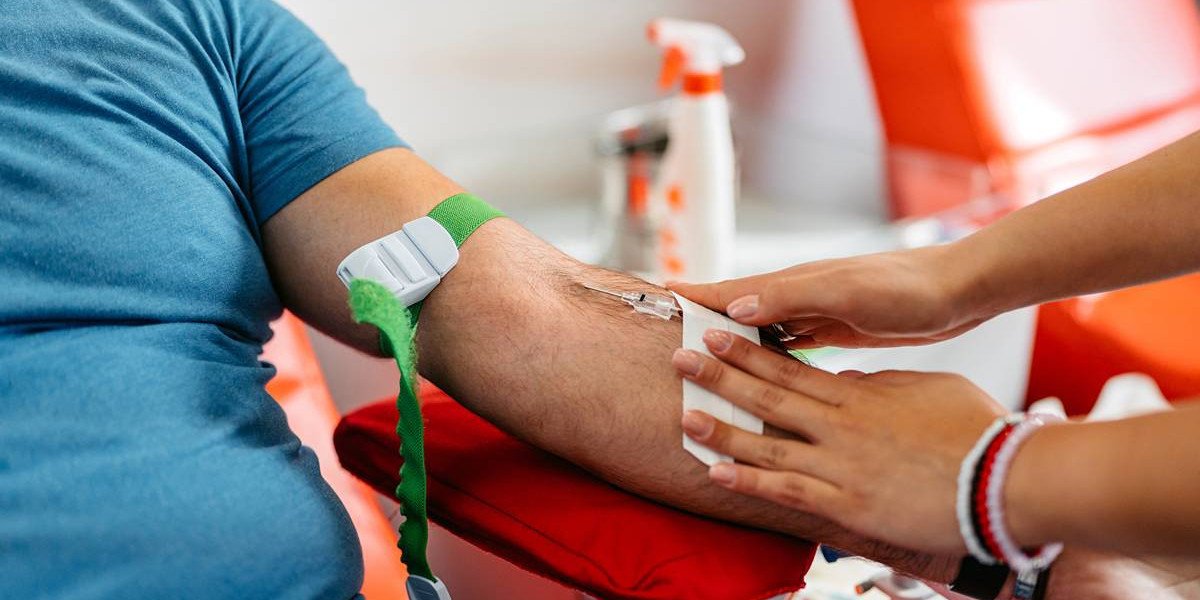

An unexpected blood test result can raise an important question: what happens when blood cells do not look the way they are expected to look?
A Blood Film Consultation in Dubai can help answer that question by providing a microscopic view of circulating blood cells. Unlike a complete blood count, which primarily provides numerical measurements, a peripheral blood smear allows a laboratory professional to examine the size, shape, color, maturity, and distribution of red blood cells, white blood cells, and platelets.
Abnormal blood cell morphology does not automatically mean that a person has a serious blood disorder. Many findings are temporary, mild, or associated with conditions that require straightforward follow-up. However, certain patterns may need additional investigation, particularly when they occur alongside persistent CBC abnormalities or concerning clinical findings.
Understanding when a blood film leads to further testing can make the diagnostic process easier to follow.
Why an Abnormal Blood Cell Appearance Matters?
Blood cells are produced, mature, and circulate through the bloodstream in a highly organized process. Their appearance can change when something affects production, maturation, survival, or circulation.
A blood film may identify differences that are not fully explained by the numerical results of a CBC.
For example, red blood cells may vary in size or shape. White blood cells may appear reactive, immature, or otherwise unusual. Platelets may appear unusually large or may form clusters on the slide.
These observations are descriptive. They provide clues rather than automatically identifying a specific disease.
That distinction is important because the same morphological finding can sometimes occur in more than one clinical situation.
From an Abnormal CBC to a Closer Look:
A blood film is often requested because something in the initial blood count deserves clarification.
A CBC with differential can identify changes in:
Hemoglobin
Hematocrit
Red blood cell count
Mean corpuscular volume
Red cell distribution width
White blood cell count
Differential white blood cell counts
Platelet count
An automated analyzer may also generate flags when the instrument detects a pattern that requires additional review.
When a result is unexpected, the blood film provides a different type of evidence. Instead of relying only on numerical measurements, the laboratory professional can directly inspect the cells under a microscope.
This can help determine whether the abnormal result corresponds to a recognizable morphological pattern.
The First Question: What Type of Blood Cell Is Abnormal?
A useful way to understand further investigation is to separate abnormalities by blood cell type.
Red Blood Cell Abnormalities:
Red blood cell morphology is frequently evaluated when anemia or unusual red cell indices are present.
A smear may demonstrate:
Microcytosis
Macrocytosis
Hypochromia
Anisocytosis
Poikilocytosis
Target cells
Spherocytes
Elliptocytes
Tear-drop cells
Schistocytes
These terms describe physical characteristics rather than final diagnoses.
For example, microcytosis means that red blood cells are smaller than expected. Depending on the CBC pattern and clinical history, a healthcare professional may consider iron studies, ferritin testing, hemoglobin analysis, or other investigations.
Similarly, fragmented red blood cells may require closer evaluation when present in a significant or clinically relevant pattern.
White Blood Cell Abnormalities:
White blood cell findings can also lead to further investigation.
The smear may reveal unusual cell maturity, reactive lymphocytes, immature granulocytes, or other atypical features.
These findings need to be considered alongside the white blood cell count, differential, symptoms, infection history, medications, and other relevant information.
An unusual-looking white blood cell does not automatically indicate a blood cancer or another serious disorder. Further testing is based on the complete pattern.
Platelet Abnormalities:
Platelets can also provide useful microscopic information.
A blood film may show large platelets, abnormal distribution, or platelet clumping. Clumping can sometimes interfere with automated platelet counting and may explain why a numerical result appears unexpectedly low or inconsistent.
The microscopic appearance can therefore help determine whether the platelet count requires confirmation or additional assessment.
Which Findings May Prompt More Testing?
Not every abnormal blood film requires extensive investigation. Healthcare professionals usually consider the degree, persistence, and pattern of the abnormality.
Further evaluation may be considered when:
The Abnormality Is Persistent:
A finding that remains present on repeated blood tests may deserve more attention than an isolated, unexplained result.
Repeat CBC testing and another peripheral smear may sometimes be appropriate to determine whether the pattern continues.
Several Blood Cell Types Are Affected:
Changes involving red cells, white cells, and platelets at the same time may require a broader assessment.
The significance depends on the exact abnormalities and the clinical situation rather than simply the number of affected cell types.
Immature or Atypical Cells Are Observed:
The identification of immature or unusual cells may lead to additional laboratory review.
Depending on the finding, this could involve repeat testing, specialist hematology consultation, or more specific investigations such as flow cytometry.
The CBC and Blood Film Do Not Match
Sometimes the automated blood count and microscopic appearance do not seem to agree.
For example, platelet clumping on the smear may help explain an unexpected automated platelet count. Similarly, analyzer flags may prompt a laboratory professional to manually review the blood film.
What Follow-Up Tests Might Be Considered?
The next test depends on what the blood film shows.
There is no single follow-up investigation that applies to every abnormal smear.
When Red Blood Cells Are the Main Concern:
Depending on the pattern, follow-up may include:
Ferritin
Iron studies
Vitamin B12
Folate
Reticulocyte count
Bilirubin and other hemolysis-related tests
Hemoglobin analysis
The purpose is to investigate possible causes suggested by the overall blood results.
When White Blood Cells Appear Unusual:
Further assessment may include repeat CBC testing, a detailed differential count, specialist review, or flow cytometry when clinically appropriate.
Flow cytometry can provide additional information about certain blood cell populations and is used in selected diagnostic situations.
When Bone Marrow Examination Is Considered:
A bone marrow examination provides information that a peripheral blood film cannot.
Because the bone marrow is the primary site of blood cell production, direct examination may be considered when the clinical and laboratory findings suggest that more detailed evaluation is necessary.
However, an abnormal blood film alone does not mean that a bone marrow examination will be required.
How Clinical Context Changes the Meaning of a Blood Film?
A blood film should never be interpreted as an isolated picture.
The same morphological feature can have different significance depending on the person's age, symptoms, medical history, medication use, recent illness, and other laboratory findings.
For example, a reactive white blood cell pattern may occur during an immune response, while certain red cell abnormalities may require nutritional or hemoglobin-related testing.
This is why a blood film consultation involves professional interpretation rather than simply matching a cell shape to a disease name.
What Happens During a Blood Film Consultation?
The process generally begins with review of the blood sample and relevant laboratory information.
A thin blood smear is prepared on a glass slide and stained so that individual blood cells can be examined more clearly.
The laboratory professional may then review:
Red blood cell size, shape, and color
White blood cell types and maturity
Platelet size and distribution
The presence of unusual or immature cells
Any relevant analyzer flags
Whether the microscopic findings fit the CBC results
The final report may describe specific morphological findings and indicate whether additional review or testing should be considered.
Why One Abnormal Finding Should Not Be Overinterpreted?
Medical laboratory results often contain descriptive terminology that can sound alarming when read without context.
Terms such as anisocytosis, poikilocytosis, macrocytosis, or target cells describe what was observed under the microscope. They do not necessarily identify the cause.
Likewise, the presence of an atypical or immature cell requires appropriate interpretation rather than an immediate assumption about a serious diagnosis.
The number of abnormal cells, the overall smear pattern, CBC results, and clinical circumstances all matter.
How Blood Film Consultation Supports the Diagnostic Process?
The value of a peripheral blood smear lies in its ability to connect numerical blood test results with actual cell appearance.
The CBC may indicate that something is outside the expected range. The blood film can then provide visual evidence that helps characterize the abnormality.
This information may help a healthcare professional decide whether to:
Repeat the blood count
Order targeted laboratory tests
Review medications or medical history
Monitor the finding over time
Request specialist hematology assessment
Consider more advanced diagnostic testing
In this way, blood film examination can help make further investigation more focused rather than relying on a single abnormal number.
When Should Patients Discuss Their Blood Film Results?
If a report contains unfamiliar terms or recommends further investigation, it is reasonable to discuss the findings with the healthcare professional who ordered the test.
A useful discussion may include questions such as:
What abnormality was identified?
Does it explain the CBC result?
Is repeat testing needed?
Are additional blood tests recommended?
Could recent illness, medication, or nutritional factors affect the result?
Does the finding require specialist review?
The answers depend on the individual's complete clinical picture.
Final Takeaway:
A blood film consultation Lab tests can be an important next step when abnormal blood cells need closer evaluation. By examining red blood cells, white blood cells, and platelets under a microscope, a peripheral blood smear can reveal morphological patterns that numerical blood tests alone may not fully describe.
Further investigation may be considered when abnormalities are persistent, multiple blood cell types are affected, immature or unusual cells are present, or automated results require clarification.
The most important point is that an abnormal blood film is not automatically a diagnosis. Its findings are interpreted alongside the CBC, symptoms, medical history, and other laboratory investigations. When additional testing is needed, the blood film can help guide the next stage of the diagnostic process.