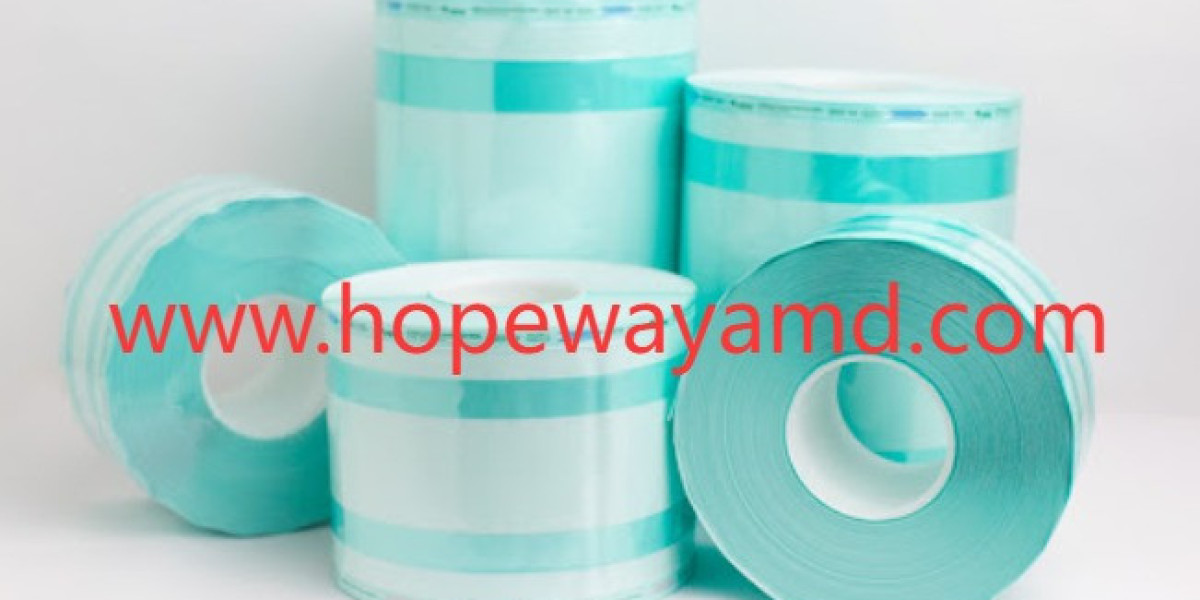

Medical packaging needs to accommodate different instrument shapes while supporting controlled sterilization workflows. Sterilization Gusseted Roll from Hopeway AMD provides a flexible packaging format designed for items that require additional space around their structure. By combining a practical gusseted design with packaging materials intended for sterilization applications, this format can help packaging teams organize instruments while maintaining a clear view of the packaged contents.
A gusseted structure offers an alternative to flat packaging formats when an item has greater depth or an irregular profile. Instead of forcing a three-dimensional product into a narrow package, the expanded side construction creates additional internal space. This can make the packaging process more adaptable for medical instruments, components, and other items that need room for placement and handling.
Material selection also plays an important role in sterilization packaging. The packaging should work appropriately with the intended sterilization process while maintaining its physical structure during handling. A well-designed roll format allows packaging teams to create bags according to the size and shape of individual items rather than relying only on predetermined package dimensions.
Another practical consideration is visibility. Transparent packaging components can make it easier to identify the contents without opening the package. This can support organization before and after sterilization and help personnel distinguish packaged items during routine workflows. When packaging is clearly arranged, handling becomes more straightforward and the contents can remain identifiable throughout different stages of use.
Sealing is another essential part of the packaging process. A suitable sealing method can help create a consistent closure around the packaged item. For roll-based packaging, users can select an appropriate length before sealing, providing greater flexibility when preparing different products. This approach can reduce unnecessary packaging material and create a package that corresponds more closely to the item inside.
The gusseted format can also be useful when packaging requirements vary from one application to another. Medical facilities, laboratories, and professional packaging environments may work with instruments that differ considerably in dimensions and configuration. A roll format gives users greater freedom to prepare packaging according to specific requirements while keeping the workflow organized.
Storage considerations should not be overlooked either. Packaging needs to remain practical during preparation, movement, and storage. A suitable structure can help keep packaged instruments arranged and identifiable, while the roll format allows packaging material to be prepared when required instead of depending entirely on fixed-size bags.
For procurement teams, product consistency and application compatibility are important parts of packaging selection. It is useful to consider the intended sterilization method, instrument dimensions, sealing equipment, storage conditions, and handling procedures before choosing a packaging format. These factors can help determine whether a gusseted roll is appropriate for a particular workflow.
The value of flexible packaging is found in how naturally it fits into everyday processes. When packaging can adapt to different shapes and sizes, preparation becomes easier to organize. When the contents remain visible, identification can be more convenient. When sealing is handled consistently, the finished package can integrate smoothly into established sterilization procedures.
Medical packaging is not simply about wrapping an instrument. It involves coordinating material selection, package construction, sealing, sterilization compatibility, identification, handling, and storage. A thoughtfully selected packaging format can support this complete process without adding unnecessary complexity.
If you are looking for a packaging approach that can accommodate changing instrument shapes and practical sterilization requirements, now is a good time to take a closer look at available solutions. Visit https://www.hopewayamd.com/product/ and browse the product range to see how a flexible packaging concept could fit into your workflow. Your next packaging idea may be closer than you think—let the right format open the way.