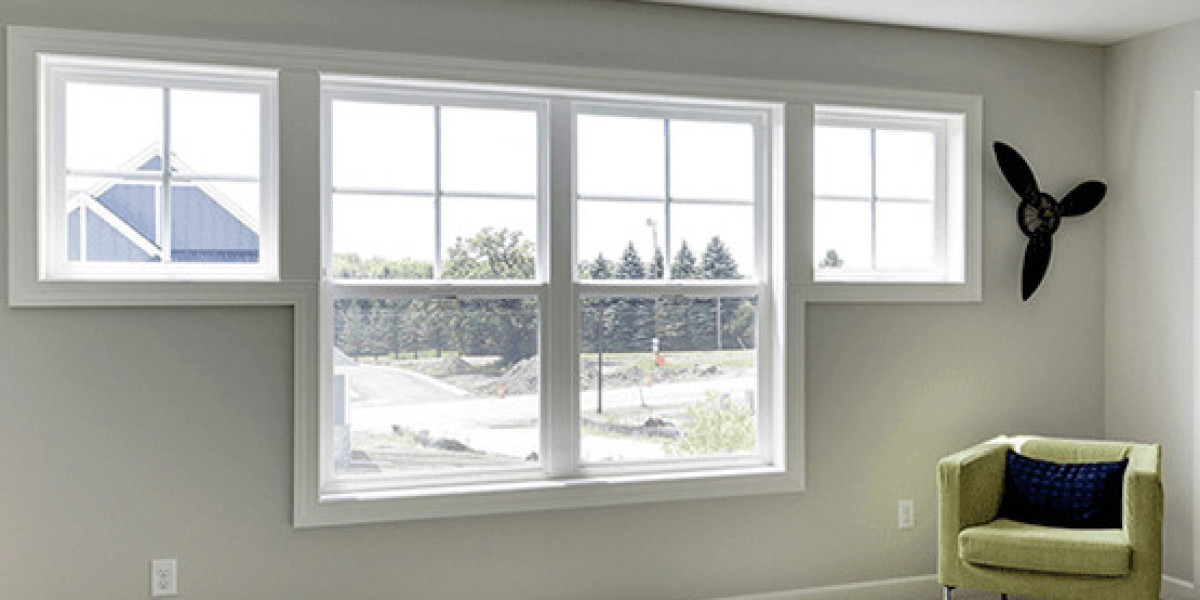

Replacing old windows is one of the most effective upgrades a homeowner can make, improving comfort, energy use, and curb appeal in a single project. Among the many brands and materials available, Milgard Vinyl Windows are a popular choice for homeowners who want durability and energy performance without the higher price tag of fiberglass or wood. Before starting a replacement project, though, it helps to understand what sets vinyl apart, how Milgard products perform, and what factors matter most when selecting new windows for your home. This guide covers the key considerations so you can make an informed decision.
Why Vinyl Is a Popular Window Material
Vinyl has become one of the most widely used window materials for residential replacement projects, and for good reason. It resists moisture, does not require painting, and holds up well against the temperature swings common throughout the year. Unlike wood, vinyl will not rot or warp from prolonged exposure to humidity, and unlike aluminum, it does not conduct heat and cold as readily.
For homeowners comparing materials, vinyl windows offer a practical balance of performance, appearance, and cost. The frames come in a range of colors and finishes, so they can be matched to a variety of architectural styles, from traditional to modern. This versatility is part of why vinyl remains a top choice for full home replacement projects as well as single room upgrades.
What Makes Milgard a Trusted Brand
Milgard has built a strong reputation among window manufacturers, and its vinyl product lines are known for consistent quality and solid warranty coverage. The company manufactures frames with multichambered construction, which helps improve insulation and structural strength compared to older single chamber vinyl designs.
Homeowners often choose Milgard because of the balance between performance and value. The frames are engineered to handle expansion and contraction across seasonal temperature changes without warping, and the glass packages are available in configurations suited to different climate needs. For a replacement project where long term reliability matters, this combination of engineering and warranty support carries real weight.
Energy Efficiency Considerations
One of the main reasons homeowners replace old windows is to reduce energy loss. Older single pane or poorly sealed windows allow conditioned air to escape, which drives up heating and cooling costs throughout the year. Vinyl frames naturally insulate better than aluminum, and when combined with double or triple pane glass, they create a much tighter thermal barrier.
Look for low emissivity coatings and gas filled glass units when comparing options, since these features significantly improve a window's ability to block heat transfer. Many Milgard vinyl window lines meet ENERGY STAR requirements, which can also make them eligible for utility rebates or tax incentives depending on your location. Checking current program requirements before finalizing your order is worth the extra step, since it can offset part of the project cost.
Choosing the Right Window Style for Each Room
Not every room needs the same window style, and this is an area homeowners sometimes overlook during a replacement project. Casement windows, for example, provide excellent ventilation and a tight seal when closed, making them a strong choice for kitchens or rooms where airflow matters. If you want to learn more about how this style performs, our earlier post on the benefits of casement windows covers the ventilation advantages in more detail.
Sliding windows work well in spaces with limited clearance, since they do not swing outward. Picture windows are ideal for rooms where an unobstructed view matters more than ventilation, such as a living room facing a garden or backyard. Taking time to match window style to each room's function leads to a more comfortable and functional result than choosing one style for the entire home.
Milgard Vinyl Windows in the Bay Area Climate
Local climate plays a real role in choosing the right window package. Homeowners looking at Milgard Vinyl Windows in the Bay Area benefit from a relatively mild climate, but coastal fog, temperature swings between day and night, and occasional heat waves inland still make glass selection and framing quality important factors.
In coastal areas, added attention to weatherstripping and seal quality helps prevent drafts caused by moisture and salt air exposure. In inland valleys, homeowners often prioritize solar heat gain coefficients to reduce cooling costs during warmer months. A knowledgeable supplier can help match the right glass package to your specific part of the region rather than applying a one size fits all recommendation.
Comparing Vinyl Windows in the Bay Area to Other Materials
Homeowners often ask how vinyl compares to fiberglass or aluminum before committing to a replacement project. Vinyl windows in the Bay Area are generally more budget friendly than fiberglass while still offering strong insulation performance and low maintenance. Fiberglass can offer slightly better structural strength for larger openings, but the price difference is often significant.
Aluminum framing, while durable and slim in profile, conducts temperature more readily unless it includes a thermal break, which can affect energy performance in both hot and cold months. For most residential replacement projects, vinyl provides the most balanced combination of cost, appearance, and performance, which is part of why it remains a leading choice among Bay Area homeowners.
Installation Considerations for a Successful Replacement
Even a high quality window will underperform if it is not installed correctly. Proper installation includes accurate measurement, correct flashing and sealing around the frame, and attention to insulation gaps that can otherwise allow air infiltration. Homeowners planning a DIY installation should be comfortable with precise measurements and sealing techniques, since small gaps can undermine the energy benefits of even the best vinyl frame.
For larger projects or full home replacements, working with an experienced installer helps ensure the windows perform as intended and that manufacturer warranties remain valid. Many warranties require professional installation or adherence to specific guidelines, so it is worth reviewing this before starting the project.
Matching Windows With the Rest of Your Home
New windows affect more than natural light and airflow. They also influence the overall look of a room alongside trim, siding, and nearby doors. If you are replacing windows as part of a larger remodel, consider coordinating finishes with other exterior elements such as entry doors or siding color so the final result feels cohesive rather than mismatched.
Homeowners updating multiple exterior elements at once often find it helpful to review options together, comparing window frame color against door finishes and trim before finalizing any single component. This upfront planning step helps avoid the need for costly adjustments later in the project.
Budgeting for a Window Replacement Project
Cost is naturally a major factor in any replacement decision. Vinyl windows generally offer a lower upfront cost than fiberglass or wood, making them an attractive option for homeowners updating multiple windows at once. That said, pricing can vary based on glass package, frame size, grid patterns, and any custom shapes required for the opening.
It helps to get a detailed quote that breaks down material and installation costs separately, since this makes it easier to compare options across suppliers. Homeowners should also factor in potential energy savings over time, since a well insulated window can reduce utility bills enough to offset part of the initial investment within a few years.
Working With a Local Supplier
Choosing a local supplier for your Milgard vinyl window project offers practical advantages beyond simple convenience. A supplier familiar with the regional climate can recommend the right glass package and frame configuration for your specific location, whether that is closer to the coast or further inland. Local suppliers also tend to have better familiarity with permitting requirements and can often provide faster access to replacement parts if needed down the road.
FMD Distributor carries a range of window brands and styles suited to different home types and budgets, and our team can help walk through the available options for your specific project.
Final Thoughts
Replacing old windows with Milgard Vinyl Windows is a practical way to improve comfort, reduce energy costs, and refresh the appearance of your home. Taking time to consider glass package, window style, local climate factors, and installation quality will help ensure the finished project performs well for many years. Whether you are updating a single room or planning a full home replacement, matching the right vinyl window to your specific needs makes a meaningful difference in the long run.
Frequently Asked Questions
Q: How long do Milgard vinyl windows typically last?
A: With proper installation and normal care, vinyl windows commonly last twenty to thirty years or more. Lifespan depends on glass quality, frame construction, and how well the windows are maintained over time in your specific climate.
Q: Are vinyl windows a good choice for coastal Bay Area homes?
A: Yes, vinyl resists moisture and salt air better than untreated wood or standard aluminum. Choosing quality weatherstripping and sealants helps further protect against drafts and moisture infiltration in coastal environments near the bay.
Q: Do vinyl windows require much maintenance?
A: Vinyl windows require minimal maintenance compared to wood. Occasional cleaning with mild soap and water keeps frames looking new, and there is no need for repainting or sealing that wood frames typically require over time.
Q: Can vinyl windows help lower energy bills?
A: Yes, especially when paired with double or triple pane glass and low emissivity coatings. These features reduce heat transfer through the frame and glass, helping maintain indoor temperature and reducing strain on heating and cooling systems.
Q: Should I install vinyl windows myself or hire a professional?
A: Small single window replacements can sometimes be done by an experienced DIYer. Larger projects benefit from professional installation to ensure proper sealing, accurate fit, and compliance with manufacturer warranty requirements.