
Why Are More UK Homes Looking Beyond Traditional Boilers?
Heating accounts for a significant share of household energy use, which makes the choice of heating system important for both household budgets and environmental goals. As the UK continues moving towards lower-carbon heating, technologies such as air source heat pumps and ground source heat pumps are becoming more widely discussed.
For homeowners considering a replacement heating system, the Boiler Upgrade Scheme can be relevant because it provides financial support towards eligible low-carbon heating installations. Understanding how the scheme works can help households determine whether a heat pump could be suitable for their property.
What Does the Boiler Upgrade Scheme Support?
The Boiler Upgrade Scheme is designed to help eligible households in England and Wales move from certain fossil-fuel heating systems to eligible low-carbon alternatives.
The scheme can contribute towards the cost of installing:
Air source heat pumps
Ground source heat pumps
Certain biomass boilers in specific circumstances
The Boiler Upgrade Scheme grant is normally applied towards the installation cost rather than being paid directly to the homeowner as unrestricted cash.
Homeowners should also understand that the available support depends on the technology being installed and whether the property and installation meet the relevant requirements.
How Does the Boiler Upgrade Scheme Grant Work?
Rather than requiring homeowners to manage the grant application entirely themselves, an eligible installer generally handles the application process. The installer applies for the Boiler Upgrade Scheme grant on behalf of the customer, subject to the scheme requirements.
The process generally involves:
Choosing an eligible heating system.
Finding an installer that meets the scheme requirements.
Discussing the property's heating needs with the installer.
Confirming that the installation meets the relevant criteria.
Allowing the installer to submit the grant application.
Having the eligible system installed.
The installer receives the grant contribution and deducts it from the agreed installation price.
This approach can make the Boiler Upgrade Scheme easier to understand for homeowners who are unfamiliar with government-supported heating programmes.
Who Could Benefit From the Scheme?
Eligibility depends on several factors relating to the property, existing heating system and proposed installation. Homeowners should check the current scheme requirements before making financial commitments.
Factors that may be relevant include:
Property location
Existing heating system
Type of low-carbon heating system being installed
Installer eligibility
Technical requirements of the proposed system
Whether the property meets the applicable scheme conditions
The Boiler Upgrade Scheme grant is therefore not automatically available to every household replacing an old boiler.
Why Are Heat Pumps Receiving More Attention?
Heat pumps work differently from conventional gas or oil boilers. Instead of generating heat by burning fuel, they transfer heat from an external source into a property.
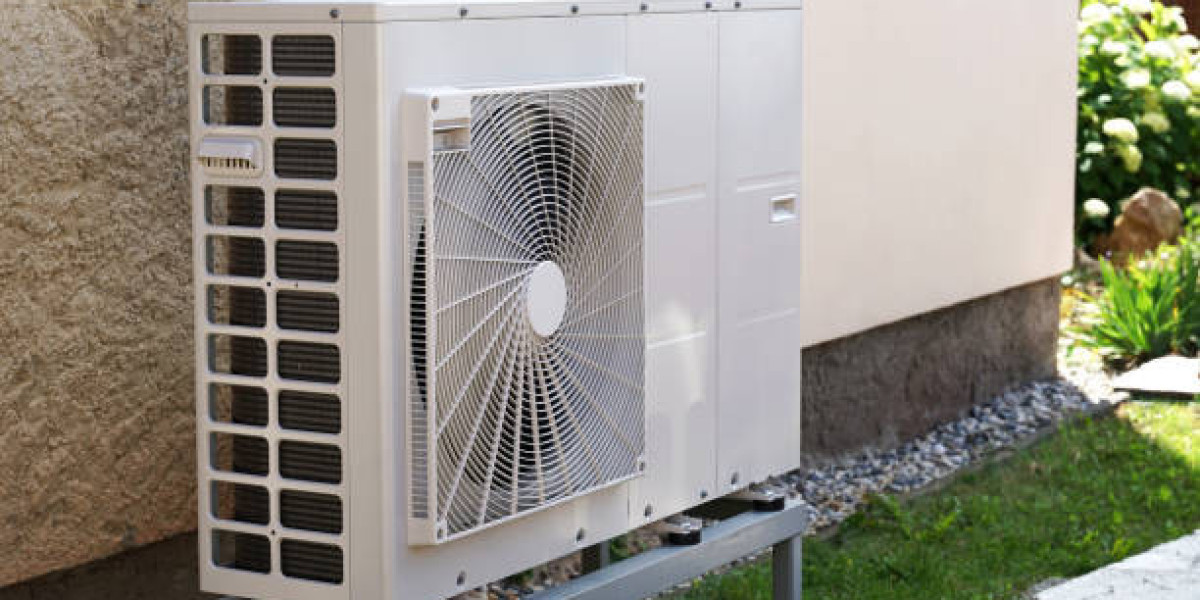
An air source heat pump, for example, extracts heat from outdoor air and increases its temperature so it can be used for heating and hot water.
Potential advantages include:
Lower reliance on fossil fuels
Efficient operation when properly designed and installed
Compatibility with low-temperature heating systems
Potential reductions in household carbon emissions
Long-term suitability for a lower-carbon heating system
However, homeowners should consider the property's insulation, heat demand, available space and existing heating infrastructure before choosing a system.
Is a Boiler Upgrade Scheme Grant Enough to Cover Installation Costs?
The Boiler Upgrade Scheme grant can reduce the upfront cost, but it does not necessarily cover the entire installation.
The final price can vary according to factors such as:
Property size
Heat pump capacity
Existing heating system
Pipework requirements
Radiator upgrades
Hot water cylinder requirements
Electrical work
Installation complexity
Groundworks for ground source systems
For this reason, homeowners should request a detailed quotation rather than assuming that the Boiler Upgrade Scheme grant will cover all associated costs.
What Should Homeowners Check Before Applying?
Making a heating decision based solely on the availability of a grant may not produce the right result for every property. A proper assessment can help identify the heating system that matches the home's requirements.
Before proceeding, homeowners can consider:
Property Assessment
A professional assessment can determine the property's heat demand and identify whether improvements such as insulation could be beneficial.
Heating Requirements
The required heat pump size should be based on the property's heating demand rather than simply replacing an existing boiler with an equivalent-sized system.
Installer Credentials
Homeowners should check that the installer meets the requirements applicable to the Boiler Upgrade Scheme and is appropriately certified for the proposed installation.
Total Installation Price
Compare the complete quotation, including the Boiler Upgrade Scheme grant, any remaining customer contribution and additional work that may be required.
Could Better Insulation Make a Difference?
Heat pump performance can be influenced by the amount of heat a property loses. Improving insulation and reducing draughts can therefore be useful when preparing a home for a low-carbon heating system.
Possible improvements include:
Loft insulation
Cavity wall insulation
Solid wall insulation where appropriate
Draught reduction
Upgraded glazing
Better heating controls
These measures can reduce heat demand and may help a heating system operate more efficiently.
What Makes Professional Installation Important?
The design and installation of a heat pump are important because the system needs to match the property's actual heating requirements. Incorrect sizing, unsuitable controls or inadequate system design can affect performance.
A professional installer can assess:
Heat loss
Heating capacity
Radiator requirements
Hot water demand
Pipework
Controls
Suitable heat pump technology
The Boiler Upgrade Scheme is intended to support qualifying installations, but homeowners still need to consider the quality and suitability of the complete heating solution.
Is Switching Heating Systems Worth Considering?
For households with an ageing fossil-fuel heating system, replacing it with a low-carbon alternative can be an opportunity to reconsider the property's long-term heating strategy. The Boiler Upgrade Scheme grant may reduce the initial financial barrier for eligible installations.
However, the decision should consider more than the grant itself. Installation costs, electricity prices, system efficiency, property insulation and long-term heating requirements can all influence the overall value of a new system.
What Should UK Homeowners Do Next?
Anyone considering a heat pump can start by getting a property assessment and discussing the available options with an eligible installer. Homeowners can then compare the complete installation cost and determine whether the Boiler Upgrade Scheme grant applies to their proposed system.
A sensible process is to:
Assess the property's current heating performance.
Identify suitable low-carbon heating options.
Check the current Boiler Upgrade Scheme requirements.
Obtain detailed quotations.
Confirm the installer meets the relevant requirements.
Understand the remaining amount payable after the Boiler Upgrade Scheme grant.
Consider insulation and heating controls alongside the new system.
With the right assessment and installation, government support can make the transition towards low-carbon heating more accessible while helping homeowners understand the practical requirements before committing to a new heating system.