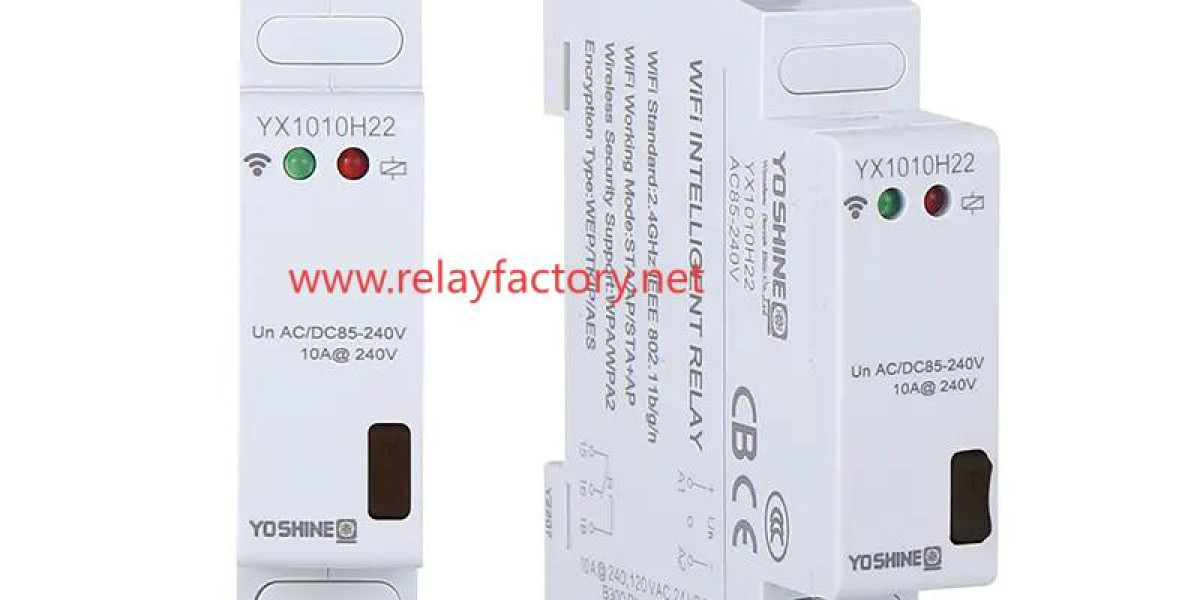

Custom Time Relay selection should begin with the actual requirements of the equipment rather than a standard product description. Buyers need to consider electrical specifications, control sequences, installation conditions, adjustment requirements, customization details, and production plans. Providing accurate project information at an early stage can help manufacturers prepare a configuration that matches the intended application.
Define the Control Sequence Clearly
Before contacting a manufacturer, buyers should explain how the component will operate within the equipment. Information about starting conditions, switching actions, delays, resets, and repeated operations can give engineers a clearer picture of the required function.
A basic control system may only require one switching action, while another application could involve several stages. These differences can affect the configuration, terminals, adjustment method, and related electrical components.
Wiring diagrams and control-flow charts can be useful during technical discussions. Even a simple description of the equipment sequence can help avoid misunderstandings between the buyer and supplier.
Confirm Electrical Compatibility
Electrical specifications deserve careful attention before an order is placed. Buyers should provide information about rated voltage, current, contact arrangement, power supply type, frequency, and load characteristics.
The component should work appropriately with the surrounding control system. If the equipment uses AC power, DC power, or a combination of different circuits, this information should be communicated during the initial discussion.
Buyers should also confirm whether there are special requirements concerning terminal configuration, contact capacity, or connection methods. Accurate electrical information gives engineers a practical foundation for product selection and customization.
Review Adjustment and Control Functions
Different equipment requires different operating sequences. Buyers should identify the required delay range, adjustment method, switching mode, and reset behavior before selecting a configuration.
Some applications may use a simple knob or switch, while others may require a particular adjustment structure because of space or operating requirements. The position and accessibility of controls can also influence the final design.
Rather than selecting a product solely from a general catalog, buyers can provide the actual operating process and ask the manufacturer to review the requirements. This approach creates a more useful technical discussion.
Examine Installation Conditions
Physical installation is another factor that should not be overlooked. Buyers should check available space, mounting method, terminal position, enclosure arrangement, and connection direction.
If the component will be installed inside a control cabinet, dimensional information can help determine whether the proposed configuration is suitable for the available area.
Environmental conditions should also be communicated. Temperature, humidity, vibration, dust, and other operating factors may influence the requirements of the equipment. Providing this information in advance allows the manufacturer to consider the application during technical planning.
Discuss Customization Requirements
Customization can cover several areas, including electrical parameters, adjustment ranges, housing dimensions, terminal arrangements, labeling, packaging, and other project-specific details.
relayfactory can communicate with buyers about application requirements and product configurations. For customized projects, customers should prepare drawings, specifications, estimated quantities, and other available technical information before production discussions begin.
Clear communication is particularly useful when a project involves an existing piece of equipment. The manufacturer can review the available information and discuss which product characteristics need to correspond with the existing system.
Pay Attention to Sample Testing
Sample testing provides an opportunity to check whether the proposed configuration matches the actual equipment. Buyers can evaluate switching behavior, adjustment performance, electrical characteristics, dimensions, and installation compatibility during this stage.
If any difference appears between the sample and the application requirement, both sides can discuss possible adjustments before larger-scale production.
Buyers should also ask about inspection procedures and documentation. Depending on the project, relevant records may include product specifications, test information, drawings, and inspection results.
Consider Production Quantity and Future Orders
Order quantity can affect production planning, packaging, and delivery arrangements. Buyers should indicate whether they need samples, a small batch, or continuing production.
If the project is expected to develop further, it can be useful to share possible future requirements with the manufacturer. This information can help both sides maintain consistent communication as specifications change.
For buyers seeking information about relay products and customized control solutions, the relayfactory website at https://www.relayfactory.net/ provides further product details and a way to discuss specific project requirements. By preparing electrical data, operating sequences, installation conditions, customization details, testing expectations, and order quantities in advance, buyers can make technical communication clearer and establish a more practical purchasing process.