
Mold on basement drywall is one of the most commonly reported mold problems homeowners encounter and also one of the most frequently misunderstood. A dark patch appearing on a basement wall often gets treated as a surface issue. Homeowners scrub it down, paint over it, and move on, only to find the same growth appearing weeks later in the same spot or spreading to a neighboring section. The reality is that mold on basement drywall is almost never just a surface problem. It is a symptom of a moisture condition, and that moisture condition has specific causes that must be identified and resolved before any treatment will hold. Effective mold removal from basement drywall requires understanding exactly what is driving the growth, how deep into the material it has penetrated, and what combination of remediation and moisture management will produce a result that lasts. This guide covers each of those dimensions so you can approach the problem with a clear picture of what you are actually dealing with.
Why Basements Are Especially Prone to Mold Development
Not every room in a home carries the same mold risk, and basements consistently occupy the top of that risk hierarchy. The reason is structural rather than incidental. Basements sit below grade, surrounded on most sides by soil that holds moisture year round. That moisture exerts hydrostatic pressure against the foundation walls and floor slab continuously. Even a basement with no visible cracks or signs of water intrusion will experience moisture vapor transmission through the concrete itself because concrete is porous and water vapor moves through it under sustained pressure.
That vapor enters the basement air and interacts with every surface in the space. In a basement finished with drywall, the drywall absorbs ambient moisture over time. If ventilation is inadequate, which it frequently is in below grade spaces, that moisture accumulates rather than dispersing. If indoor temperatures vary significantly between the basement and the floors above, condensation forms on the cooler basement surfaces. The result is a space that holds elevated humidity and sustains moisture in building materials for far longer than any other room in the home.
Our article on what causes mold in homes covers the broader range of mold triggers, but in basements these conditions are consistently amplified by the below grade environment in ways that other rooms simply do not experience.
Why Drywall Is So Vulnerable to Mold in Basement Conditions
Standard drywall consists of a gypsum plaster core sandwiched between two layers of paper facing. The paper is organic, which means it provides a direct food source for mold. The gypsum core is porous and absorbs moisture readily. These two properties together make standard drywall one of the most vulnerable building materials that could be installed in a high-moisture environment like a basement.
When ambient humidity in the basement space is elevated, drywall draws that moisture in and holds it. As the paper facing reaches a sustained moisture level sufficient to support biological growth, mold colonization begins. The visible surface growth that homeowners notice represents only the portion of the colony that has emerged through the paper. Below it, the root like filaments of the mold have already penetrated through the paper facing and into the gypsum behind it. This is why cleaning the visible surface of mold-affected drywall with a household cleaner almost never produces a lasting result. You are treating what is visible while leaving the colony structure intact inside the material.
Moisture resistant drywall, sometimes referred to as green board or purple board, performs better in humid environments. It delays mold establishment by reducing how quickly moisture penetrates the surface. However it is not impervious. Under sustained high-moisture conditions it will eventually support growth as well.
Our detailed guide on how to remove mold from drywall walks through the evaluation process for determining whether affected drywall can be treated in place or needs to be removed and replaced, which in basement situations is the more appropriate outcome in most cases.
The Main Causes of Mold on Basement Drywall
Groundwater Intrusion Through the Foundation
The most fundamental cause of basement drywall mold is water entering the space from the outside. This happens through multiple pathways. Hydrostatic pressure forces water through existing cracks in the foundation wall or the floor slab. Water migrates along the footing and enters through the joint where the wall meets the floor. In areas with high water tables or poor exterior drainage, water can also push through intact concrete under sustained pressure.
In all of these situations the water either reaches the finished drywall surface directly or raises the moisture content of the basement air to the point where the drywall absorbs enough ambient humidity to sustain mold. Foundation seepage is often slow and intermittent in its early stages. Homeowners frequently do not notice it until mold has already developed on the drywall or until a more significant intrusion event makes the problem obvious.
Several exterior factors contribute to this water pressure that homeowners can address directly. Grading around the foundation that does not slope away from the building allows water to pool against the wall. Clogged or damaged gutters concentrate rainwater against the foundation during heavy rain. Downspouts that discharge too close to the building direct runoff toward the foundation rather than away from it. Addressing these conditions reduces hydrostatic pressure and is an important first step in any basement moisture management plan.
Condensation From Temperature Differences Between Floors
Even without any direct water intrusion through the foundation, condensation alone can generate enough sustained surface moisture on basement drywall to support mold growth. This happens when warm humid air from the upper living areas of the home migrates into the cooler basement space. As that warm air cools, it can no longer hold as much water vapor and the excess deposits on cooler surfaces throughout the basement including the drywall.
This process is particularly active during summer months when air conditioning creates significant temperature differences between the upper floors and the basement. Warm humid air moving from the conditioned living areas into the cooler basement space encounters lower surface temperatures and deposits moisture on everything it contacts. The process runs silently and continuously. Over weeks and months it raises the moisture content of the drywall to a level that mold readily exploits.
Unsealed floor penetrations, gaps around pipes and utility runs, and open stair access between the main floor and the basement are all pathways through which warm humid air enters the basement and contributes to condensation moisture accumulation on drywall surfaces.
Poor Ventilation and Stagnant Air in the Basement
Basements typically have less ventilation than any other room in the home. They may have a single small window, no direct exterior opening, or airflow that depends entirely on the HVAC system serving the floor above. When air does not move adequately through the basement, moisture from any source accumulates in the air and progressively saturates every porous material it contacts.
Stagnant air also significantly extends the drying time of any surface that becomes wet. A basement with adequate airflow may dry within 24 to 48 hours after a minor moisture event. The same basement without adequate ventilation may stay moist for weeks. That difference in drying time is often the deciding factor between a space where mold cannot establish and one where it consistently does.
The HVAC system serving the basement often conditions the air temperature adequately but does not provide enough active air movement to manage moisture in all areas, particularly in corners, behind stored items, and in the wall cavities behind the drywall. Supplemental ventilation such as a dedicated exhaust fan or additional circulation equipment sized for the basement space addresses this gap directly.
Plumbing Leaks Hidden Inside the Wall Cavity
Plumbing that runs through basement walls or between the wall framing and the drywall surface is a source of hidden moisture that frequently goes undetected until mold has been developing for months. A slow drip from a pipe fitting, a pinhole corrosion leak, or condensation building up on the exterior of a cold water pipe can introduce enough moisture to saturate the insulation and the back of the drywall within the wall cavity without producing any visible pooling or staining on the surface.
These hidden leaks are particularly difficult to detect because the drywall surface may show no indication of what is happening behind it until the mold colony growing on the wet materials breaches the paper facing. By that point the problem inside the wall cavity has typically reached a scale that requires removal of the affected drywall section to address properly.
Any new mold growth appearing on a basement wall section with no other obvious external moisture source should prompt consideration of a hidden plumbing issue. Identifying this possibility before cutting into the wall for remediation saves time and prevents unexpected scope expansion mid-project.
Flooding and Significant Water Intrusion Events
Basement flooding is one of the most straightforward causes of drywall mold because it saturates materials rapidly and thoroughly. A sump pump failure during a storm, a water heater that fails, a burst supply line, or stormwater backup can introduce standing water that wicks into drywall from the floor upward.
Even a few inches of water that recede relatively quickly leave behind moisture that the drywall, insulation, and framing have already absorbed. If those materials are not dried to verified acceptable moisture levels within 24 to 48 hours of the event, mold development is essentially guaranteed. Our article on how long it takes for mold to start growing explains exactly why this window is critical and what happens inside building materials when it closes without adequate drying action.
If your basement has experienced any flooding or significant water intrusion, our guide on how to fix water damage quickly covers the immediate response steps that give building materials the best chance of staying below the moisture threshold where mold can begin. Our water damage restoration service is also available for situations where the scope of the intrusion event goes beyond what a homeowner can manage independently.
Recognizing the Signs of Mold on Basement Drywall
Visible mold on drywall typically presents as dark patches or spots that may be black, gray, green, or white depending on the species and stage of development. However, surface growth is not always the first indicator that mold has established itself in the basement.
The earliest warning is often a persistent musty or earthy smell when entering the basement space. This odor comes from microbial volatile organic compounds that active colonies release continuously. It frequently precedes any visible surface growth by several weeks, which means a musty smell without visible mold is still a reason to investigate further rather than assume nothing is wrong.
Other warning signs include paint that bubbles, peels, or develops staining without an obvious external cause. Drywall that feels soft or spongy under light pressure indicates moisture saturation and probable mold penetration into the material. Discoloration that reappears quickly after wiping indicates an active colony that has not been reached by surface cleaning.
When any of these signs appear, a formal mold inspection is the appropriate next step before attempting any treatment. Inspection using thermal imaging and moisture meters can detect hidden moisture and growth behind the drywall without destructive wall openings, giving you a complete picture before you decide on a course of action.
Health Risks That Make Basement Mold More Than a Property Issue
Mold in the basement affects indoor air quality throughout the entire home because the air handling system distributes air across every floor. Return vents draw air from the basement, pass it through the HVAC system, and release it through supply registers in every room. Elevated spore concentrations originating in the basement travel through this pathway and reach every occupied space in the building.
Prolonged exposure to elevated indoor spore concentrations has been associated with respiratory irritation, chronic sinus congestion, persistent allergic reactions, and in cases involving certain mold species, more serious systemic health effects. Children, elderly individuals, and anyone with existing respiratory conditions or a compromised immune system are at the highest risk.
Our article on the dangers of mold and how it affects your health explains these risks in detail. The health implications of delaying action on basement drywall mold are real and should factor directly into how urgently the problem is addressed.
Why Basement Drywall Mold Requires Professional Treatment
Basement mold on drywall is a situation where professional treatment is most clearly the appropriate response for the majority of homeowners. Several characteristics of this specific problem make a DIY approach insufficient in most cases.
First, identifying the moisture source in a basement requires diagnostic equipment rather than visual inspection alone. Thermal imaging cameras and calibrated moisture meters reveal where moisture is entering the building envelope and where it is accumulating within materials in ways that cannot be detected from the surface.
Second, drywall affected by mold almost always requires removal rather than surface treatment because standard cleaning does not penetrate past the paper facing where the root like colony structures reside. Removing affected sections exposes the wall cavity for inspection and treatment of the framing, insulation, and foundation wall behind the drywall.
Third, the below grade basement environment means the full extent of affected material is frequently larger than the visible patch suggests. Mold can spread across the back of an entire wall section while only a small portion has produced visible surface growth.
Our comprehensive article on why basement mold removal services are essential explains the specific challenges of below grade mold and why the approach required differs from mold treatment in above grade spaces throughout the home.
What Professional Mold Removal Services Involve in Basement Settings
When a professional team assesses basement drywall mold, the remediation process covers every stage from initial assessment through verified clearance.
Professional mold removal services begin with a comprehensive assessment that uses moisture meters, thermal imaging, and air sampling to map the full extent of the mold growth and the moisture conditions driving it. This data determines which materials must be removed, which can be treated in place, and what moisture source resolution is required before the area is rebuilt.
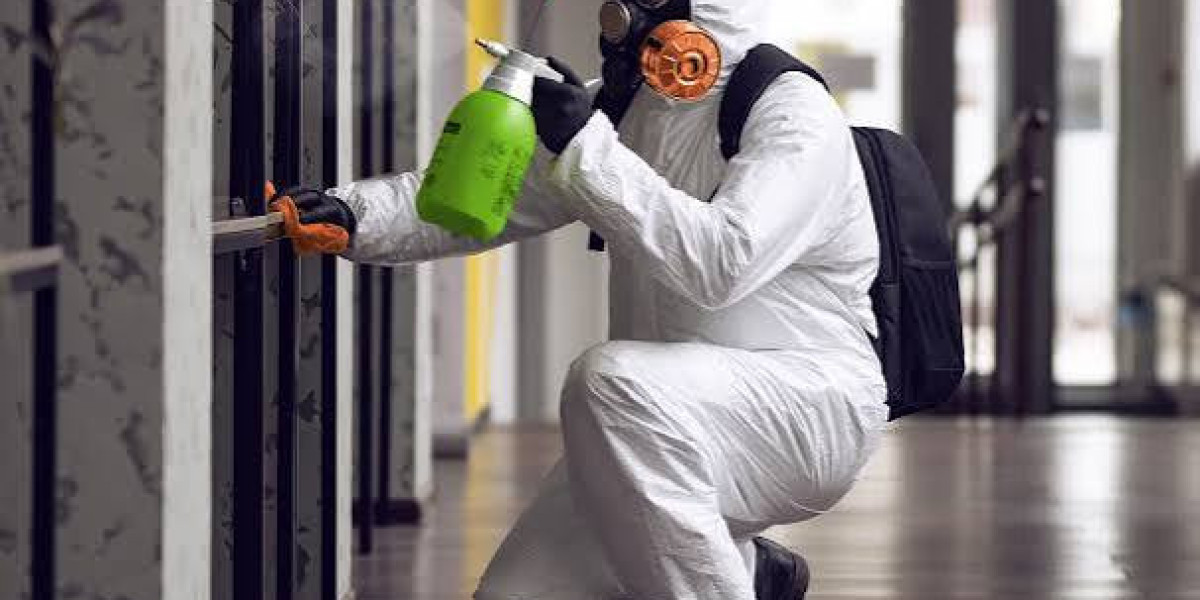
The affected zone is physically contained before any disturbance of the mold begins. Plastic sheeting seals the work area and negative air pressure machines prevent spore migration to the rest of the home during removal. Affected drywall sections are removed and sealed for disposal. The exposed wall cavity is inspected, framing and foundation wall surfaces are treated with professional grade antimicrobial solutions, and the cavity is dried using industrial dehumidifiers and verified with moisture readings before new drywall is installed.
Post remediation air sampling then confirms that spore concentrations in the treated area have returned to safe baseline levels before the project is considered complete. This verification is what separates thorough professional mold removal services from surface treatment efforts that rely on appearance alone.
How to Find the Right Help for Basement Drywall Mold
When homeowners search for mold removal services near me after discovering mold in their basement, the most important factor is finding a team that brings the full remediation protocol rather than a partial response.
Before committing to any company, confirm whether their technicians hold current IICRC certification. Ask whether their assessment includes thermal imaging and moisture mapping. Ask whether their scope of work addresses the moisture source alongside the visible mold and whether post remediation air testing is part of their standard process.
Choosing mold removal services near me based primarily on price produces the kind of incomplete treatment that leads to the mold returning within months. Choosing based on process, certification, and a commitment to verified outcomes produces a genuinely different result.
Qualified mold removal experts approach each basement project with the understanding that visible mold on the drywall surface is the endpoint of a chain of moisture conditions, material vulnerabilities, and ventilation deficiencies that together produced the growth. Resolving the entire chain rather than only the visible endpoint is what makes the work last. Experienced mold removal experts also know that basement environments in warm, humid climates like Southwest Florida present specific patterns of growth and moisture intrusion that require regionally informed assessment to address correctly.
A professional mold inspection before committing to any treatment plan gives you the most complete basis for an informed remediation decision. Our guide on the top 5 signs you need a professional mold inspection helps homeowners understand which specific circumstances make that first step the most important investment they can make.
Preventing Mold From Developing on Basement Drywall
Preventing mold on basement drywall begins with managing the moisture conditions that make mold development possible. Several targeted measures address the most common causes directly.
Start with exterior water management. Grade the soil around the foundation to slope away from the building. Keep gutters clean and ensure downspouts discharge several feet away from the foundation. These steps reduce the hydrostatic pressure that drives moisture through the foundation wall and into the basement environment.
Install a dedicated basement dehumidifier and set it to maintain relative humidity below 50 percent. This removes the ambient moisture that drywall absorbs from the air when the basement runs humid. Check the unit's drain line or reservoir regularly to confirm it is functioning properly.
Seal visible foundation cracks and the wall to floor joint with an appropriate waterproofing compound. This intercepts water before it reaches finished drywall surfaces and reduces direct moisture entry.
Verify that bathroom and kitchen exhaust fans in the home are properly vented to the exterior and not into ceiling cavities or attic spaces from which humid air can migrate downward into the basement environment.
After any water event, no matter how minor it appears, dry all affected surfaces and building materials promptly. Use a moisture meter to confirm that materials have returned to safe levels before painting, replacing drywall, or reinstalling any flooring over them.
Conclusion
Mold on basement drywall is a predictable result of specific moisture conditions that most basements are vulnerable to without active management. Groundwater intrusion, condensation from temperature differentials between floors, poor ventilation, hidden plumbing leaks, and flooding events are the causes that consistently produce this problem. Understanding them is what makes both prevention and effective treatment possible. When mold has already developed, thorough mold removal that identifies the full scope of the problem, removes affected materials, treats exposed surfaces, dries to verified levels, and confirms the result through air testing is the approach that produces outcomes which hold.
The Mold Guys bring over 25 years of experience serving homeowners across Southwest and Central Florida. They understand how basement environments in Florida's climate produce mold and what complete remediation in those conditions requires. If you have found mold on your basement drywall or have moisture conditions you want assessed before they become a larger problem, contact The Mold Guys today and get a thorough, honest evaluation from a team that treats the full problem.
FAQs
Q: Can I clean mold off basement drywall myself without removing the drywall?
A: Surface cleaning is rarely sufficient for basement drywall mold because the colony penetrates below the paper facing into the material. Unless the growth is very limited and recent, removing and replacing the affected drywall section is the approach most likely to produce a complete and lasting result.
Q: How do I know whether the moisture in my basement is coming from outside the foundation or from condensation?
A: A professional mold inspection using thermal imaging and moisture meters can distinguish between the two. A simple field test is taping a sheet of plastic firmly to a suspect wall section. Moisture forming between the plastic and the wall indicates exterior intrusion. Moisture on the outer surface of the plastic indicates condensation.
Q: What type of drywall should I use when rebuilding basement walls after mold remediation?
A: Moisture resistant drywall performs better than standard drywall in basement environments. It delays moisture absorption and slows the conditions that support mold establishment. It still requires active humidity control and adequate ventilation in the space to remain effective over time.
Q: How long does mold grow on basement drywall before it causes structural problems?
A: Mold can begin degrading drywall material within weeks of establishing a colony. Over months it weakens the paper facing and compromises the gypsum behind it. If mold reaches wood framing inside the wall cavity and is left untreated, structural weakening of framing members can develop over a longer period and increases repair costs significantly.
Q: Does homeowners insurance typically cover mold removal on basement drywall?
A: Coverage depends on your specific policy and the cause of the mold. Mold resulting from a sudden covered event such as a burst pipe is often included. Mold resulting from gradual moisture issues or long-term foundation seepage is typically excluded. Reviewing your policy and consulting your insurer before filing is always the appropriate first step.