
Complex liver procedures require detailed planning, experienced surgeons and coordinated teamwork. This becomes even more important when a centre performs robotic liver surgery or considers robotic liver transplantation. Unlike routine minimally invasive operations, these procedures can involve major blood vessels, bile ducts, altered anatomy and significant risks that require careful preparation.
For patients considering robotic liver transplant in India, understanding how the surgical team prepares can provide useful insight into the expertise and resources required for advanced transplant care.
Evaluating the Patient Before Robotic Liver Surgery
Preparation begins with a detailed assessment of the patient's medical condition. The transplant team reviews the diagnosis, liver function, general health, previous abdominal operations and relevant imaging studies.
For transplant candidates, evaluation may also include cardiopulmonary assessment, infection screening, nutritional evaluation and assessment of frailty when clinically appropriate. Current AASLD and AST guidance emphasizes comprehensive candidate evaluation before liver transplantation.
Reviewing Liver and Vascular Anatomy
Imaging plays an important role in planning complex procedures. Contrast-enhanced CT or MRI can help the team understand the liver anatomy, tumour location, portal vein, hepatic veins, hepatic artery and bile ducts.
In robotic procedures, detailed anatomical planning helps the surgeon determine whether the minimally invasive approach is technically appropriate. Recent literature also highlights the importance of assessing anatomical difficulty and the relationship of disease to major vascular and biliary structures.
Building a Multidisciplinary Surgical Team
Complex robotic procedures require more than a robotic platform. A trained hpb surgeon, transplant surgeon, anaesthesiologist, hepatologist, radiologist, intensivist and specialised nursing team may contribute to patient care.
The team discusses the operative plan before surgery, including patient positioning, surgical access, vascular control, reconstruction and possible complications. A dedicated multidisciplinary robotic team is particularly important because robotic liver transplantation remains an emerging and technically demanding procedure.
The Role of Robotic HPB Surgery Experience
Experience in Robotic HPB Surgery can help a surgical team develop expertise in minimally invasive liver, pancreas and bile duct procedures. Robotic systems provide magnified three-dimensional vision and articulated instruments that can support precise dissection and suturing.
However, experience with robotic liver resection does not automatically establish expertise in robotic transplantation. Transplantation involves additional challenges, including graft implantation, vascular reconstruction, haemodynamic changes and emergency management.
Preparing for Anaesthesia and Intraoperative Challenges
Anaesthetic preparation is especially important in complex robotic operations. Robotic procedures can involve pneumoperitoneum and prolonged positioning, which may affect cardiovascular and respiratory physiology.
During robotic liver transplantation, restricted access to the patient can also create additional challenges during emergencies. Recent reviews identify pneumoperitoneum, patient positioning, vascular bleeding and limited access as important considerations requiring specialised anaesthetic planning.
The anaesthesia team therefore prepares monitoring, vascular access, blood-management strategies and contingency plans according to the patient's condition and planned procedure.
Planning for Conversion to Open Surgery
A robotic operation must have a clear backup strategy. Although minimally invasive techniques can provide technical advantages in selected procedures, unexpected bleeding, difficult anatomy or equipment problems may require conversion to open surgery.
Safety protocols should be established before the operation, including emergency access and conversion planning. Published literature on robotic liver surgery specifically emphasizes the need for protocols that allow safe conversion when necessary.
Checking Equipment and Operating Room Readiness
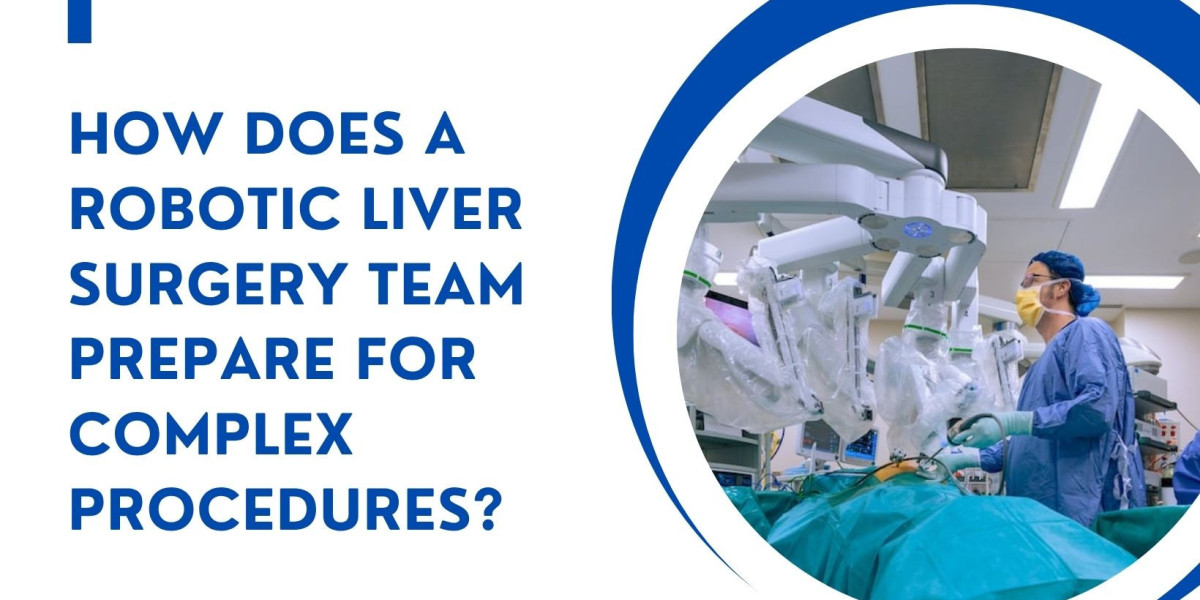
The operating team checks the robotic system, instruments, energy devices, imaging equipment and other surgical supplies before a complex procedure. Instrument availability and backup equipment are important because unexpected technical problems should not compromise patient safety.
The operating room team also confirms positioning requirements, access for anaesthesia and the availability of equipment required for vascular or biliary reconstruction.
How Transplant Teams Prepare for Robotic Liver Transplantation
Robotic liver transplant surgery in India requires careful patient selection and an appropriately experienced transplant programme. Current evidence describes robotic liver transplantation as feasible in carefully selected patients, but the technique remains in an early stage of development compared with conventional open transplantation. Recent published experience also emphasizes the importance of high-volume centres and dedicated multidisciplinary teams.
A liver transplant specialist in India assessing a patient for this approach may therefore consider disease characteristics, vascular anatomy, previous operations, overall health and the centre's specific robotic transplant experience.
Why Team Experience Matters
Advanced robotic surgery depends on coordinated decision-making rather than technology alone. Surgeons need experience in both robotic techniques and complex hepatobiliary or transplant surgery. Anaesthesia, intensive care, imaging, nursing and emergency teams must also understand the demands of the procedure.
For patients researching robotic liver transplant in India, questions about surgeon experience, centre-specific case volume, patient selection, conversion protocols and intensive care support can help explain how a programme approaches complex cases.
Conclusion
Preparing for complex robotic liver surgery involves patient evaluation, detailed imaging, multidisciplinary planning, anaesthetic preparation, equipment checks and emergency contingency planning. These steps help the team anticipate technical and medical challenges before surgery begins.
Robotic transplantation remains an evolving field, so careful patient selection and specialised team experience remain central to safe implementation.