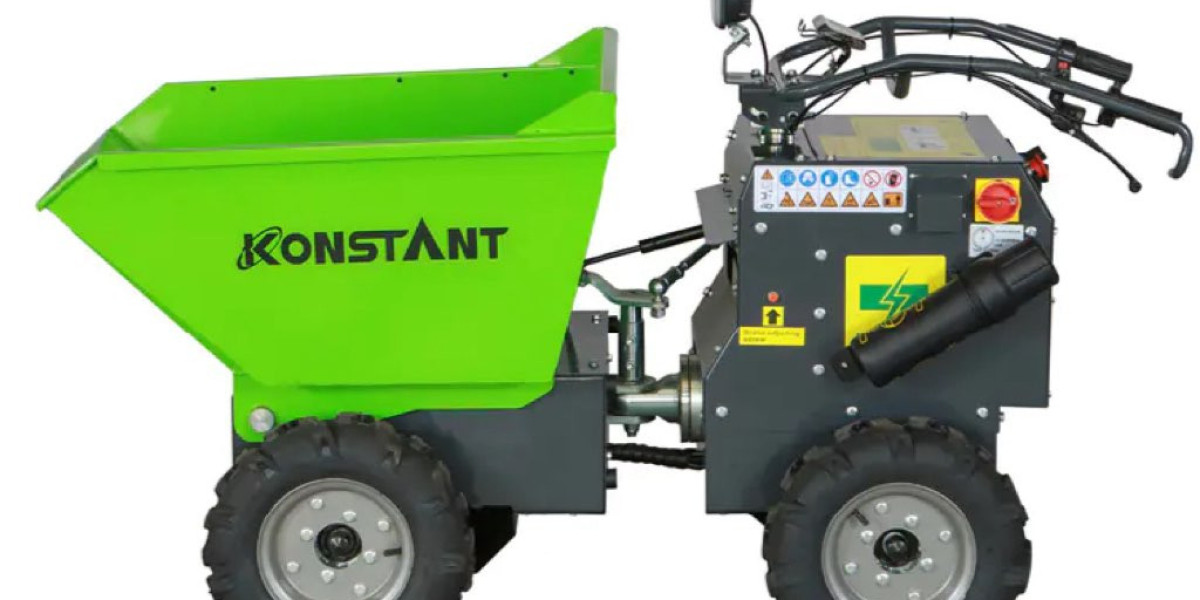

Mini Dumper selection should begin with the actual working conditions rather than the product name alone. Buyers need to consider the materials being transported, expected load, available working space, ground conditions, travel distance, unloading position, power requirements, and maintenance arrangements. A compact transport machine may be used across construction, landscaping, agriculture, property maintenance, and other applications, so the correct configuration depends heavily on the job environment.
What Load Requirements Should Buyers Check?
Carrying capacity is one of the first specifications buyers should review. The required capacity should match the normal material volume rather than being based only on occasional heavy loads.
Consider the type of material being moved as well. Soil, gravel, sand, wood, construction waste, and other materials can have different densities. Buyers should think about both the physical volume and the expected weight during regular operation.
It is also useful to check whether the machine will frequently operate near its rated capacity. A clear understanding of the normal workload can help buyers discuss a suitable configuration with the manufacturer.
How Important Are Machine Dimensions?
Overall dimensions can have a direct effect on where equipment can operate. Buyers should measure entrances, gates, pathways, storage areas, ramps, and other restricted sections before choosing a model.
Width is especially important for landscaping projects, property maintenance, renovation work, and sites with narrow access. Length and height should also be considered when the machine needs to enter buildings or pass through enclosed areas.
Buyers should compare the actual machine dimensions with the working environment rather than relying on general descriptions such as compact or small.
Which Ground Conditions Should Be Considered?
Ground conditions can vary significantly between projects. Buyers may need to operate on soil, gravel, grass, concrete, slopes, muddy areas, or uneven surfaces.
The undercarriage design, ground clearance, track arrangement, and traction system can influence how the machine behaves across different surfaces. For projects involving soft ground, buyers should also consider the potential effect of ground pressure.
Slope requirements deserve separate attention. Buyers should provide information about the expected gradients and surface conditions so the manufacturer can help determine whether the proposed configuration matches the application.
What Unloading Details Matter?
The unloading system can affect how quickly materials can be placed at the required location. Buyers should consider where the material will be discharged and how much clearance is available around the unloading area.
Different projects may require rear tipping, high discharge, self-loading functions, or other configurations. The required unloading height should therefore be included in the purchasing specification.
Buyers should also consider the frequency of unloading. A machine used throughout the working day may have different practical requirements from one used for occasional material movement.
How Should Buyers Review Power and Drive Systems?
Power selection should correspond with the expected workload and terrain. Buyers can provide information about operating surfaces, slopes, travel distances, material weight, and daily working hours.
The drive system also deserves attention. Depending on the application, different transmission arrangements may affect control, maneuverability, and operating characteristics.
Instead of focusing only on engine output, buyers should consider the complete relationship between power, load, drive system, hydraulic functions, and working conditions.
What Maintenance Details Should Buyers Ask About?
Maintenance requirements can influence long-term operating arrangements. Buyers should ask about routine inspection points, lubrication requirements, access to service components, replacement parts, and recommended maintenance intervals.
Service accessibility is particularly useful when equipment is expected to operate regularly. Components that can be reached without complicated disassembly may make routine checks easier for operators and maintenance teams.
Buyers should also ask about spare parts availability and technical documentation before confirming an order, especially when equipment will be used away from the supplier.
Which Options May Be Useful?
Optional equipment should be selected according to actual application needs. Depending on the project, buyers may consider different loading arrangements, unloading configurations, control systems, engine choices, or attachments.
There is little value in adding features that will not be used. A better approach is to describe the working process first and then discuss which available options support that process.
For customized projects, minidumperfactory can review application details such as dimensions, load requirements, operating environment, and preferred configuration before technical specifications are finalized.
What Information Should Be Included in an Inquiry?
A clear inquiry can include the required capacity, material type, site dimensions, ground conditions, slope information, unloading height, working hours, power preference, quantity, delivery destination, and any documentation requirements.
Photos, drawings, entrance measurements, and site descriptions can also provide useful technical context. The more clearly the working environment is described, the easier it is to discuss a suitable configuration.
Buyers comparing different suppliers should also check whether specifications are presented using the same measurement standards. This helps avoid confusion when reviewing capacity, dimensions, operating weight, and performance information.For buyers preparing a detailed specification, the product range from minidumperfactory can be reviewed at https://www.minidumperfactory.com/product/ so application requirements, configuration preferences, and technical questions can be discussed before an order is confirmed.