
As electric vehicles become more common, EV charging equipment also needs to handle higher electrical loads, compact structures, and reliable long-term operation. Inside an EV charger, the busbar is an important conductive component. It carries electrical current between different parts of the system, so its shape, size, and connection position all matter.Get more news about busbar bending machine for ev charger,you can vist our website!
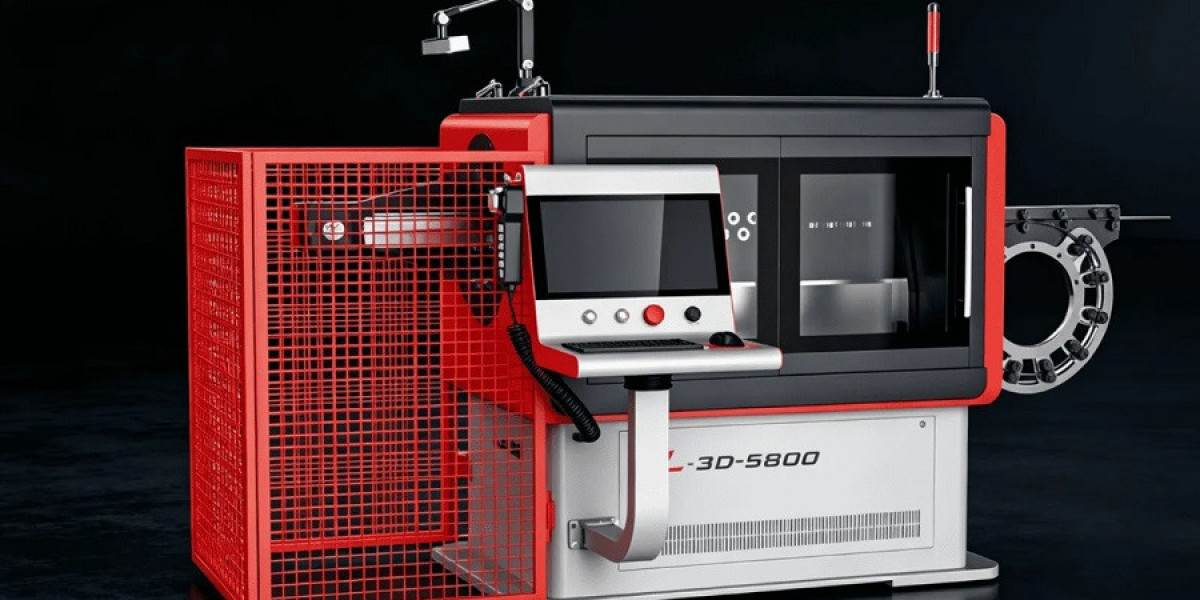
A busbar bending machine for EV charger is designed to form copper or aluminum busbars into accurate shapes for charging stations and related electrical equipment. Modern CNC machines can combine automatic feeding, positioning, bending, cutting, and other processes, helping manufacturers produce consistent parts with less manual work.
Precise Bending for Compact EV Chargers
Space inside an EV charger can be surprisingly limited. A busbar may need several bends to avoid other components while still maintaining the correct electrical connection.
This is where CNC bending becomes useful. The operator can enter the required bending parameters, and the machine controls the position and bending sequence. Multi-axis servo systems can coordinate feeding, rotation, and forming, which is particularly helpful when a busbar has several bends or a more complicated shape.
In my view, repeatability is one of the most important features here. Making one accurate busbar is not enough. A production line may need hundreds or thousands of similar pieces, and each one should fit the same assembly position.
Suitable for Copper and Aluminum Busbars
Copper is widely used where high electrical conductivity is required, while aluminum can be attractive when weight and material cost are important considerations. A suitable machine should therefore be selected according to the material, width, thickness, bend radius, and required production volume.
Some current busbar machines are designed to process both copper and aluminum, with different configurations available for different material sizes.
The tooling also deserves attention. The bending die needs to match the busbar dimensions and forming requirements. For coated or laminated busbars, contact surfaces and bending pressure need to be considered carefully to avoid damaging insulation during production.
Better Control of Complex Busbar Shapes
EV charging systems do not always use simple straight bars with one 90-degree bend. Depending on the internal layout, a busbar may require multiple bends, edgewise forming, or three-dimensional geometry.
A CNC busbar bending machine can store different processing programs, making it easier to switch between product designs. This is useful for manufacturers producing several charger models rather than one standardized product.
For example, one program may produce a simple L-shaped connection, while another can handle a more complicated multi-bend component. The operator does not need to manually measure every angle with traditional tools.
Automation Helps Reduce Manual Work
Traditional busbar processing often involves separate cutting, punching, measuring, and bending operations. Moving the workpiece between different stations can increase handling time and introduce opportunities for human error.
Integrated busbar processing equipment can combine several operations in one workflow. Some systems offer cutting, punching, and bending functions, while advanced CNC configurations can coordinate feeding and positioning automatically.
This does not mean operators disappear from the process. Instead, their role changes. They can focus more on setting parameters, checking finished parts, maintaining tooling, and monitoring production quality.
Consistent Quality Matters in EV Charging Equipment
For an EV charger, a busbar is more than just a piece of bent metal. Its final position affects assembly, electrical connections, insulation clearance, and the overall layout of the equipment.
A small dimensional difference can become a problem when several components must fit together inside a compact cabinet. Repeatable CNC positioning helps manufacturers keep these differences under control.
I particularly like this aspect of automated bending machines because consistency is often more valuable than simply achieving a fast cycle time. A machine that produces stable parts throughout a long production run can reduce rework and make downstream assembly easier.
Choosing the Right Machine
Before purchasing a busbar bending machine for EV charger production, manufacturers should look at several practical factors. These include busbar material, maximum width and thickness, required bending angles, minimum bend radius, production volume, tooling options, automation level, and available factory space.
It is also worth checking whether the manufacturer can provide sample testing. A machine may look suitable on paper, but actual busbar material and geometry can affect forming performance.
Final Thoughts
A busbar bending machine for EV charger production provides a practical way to manufacture accurate and repeatable conductive components. Its main strengths include CNC control, automated positioning, flexible tooling, copper and aluminum compatibility, and the ability to handle different bending shapes.
As EV chargers become more compact and electrical requirements become more demanding, reliable busbar forming equipment can make a noticeable difference in production. For manufacturers, the goal should not simply be to find the fastest machine, but to choose equipment that matches their busbar specifications, production volume, and long-term manufacturing needs.