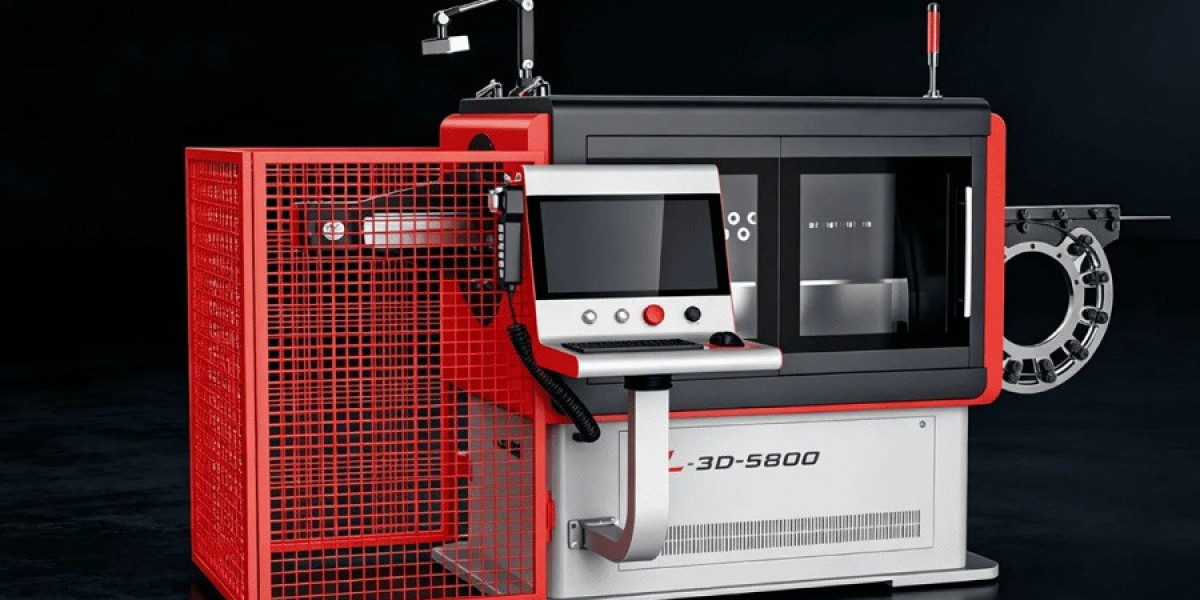

A copper busbar bending machine is a specialized tool designed to bend copper busbars into precise shapes required for electrical panels, switchgear, substations, and industrial power systems. Copper busbars are thick, rigid conductors, so shaping them accurately is crucial for safe and efficient electrical distribution. What makes this machine stand out is its ability to deliver repeatable bends without damaging the material, something manual bending simply cannot guarantee.Get more news about copper busbar bending machine,you can vist our website!
In my experience observing fabrication workshops, the biggest advantage is consistency. When a project requires dozens of identical bends, the machine ensures every piece matches perfectly, reducing installation errors and improving overall system reliability.
Key Features That Define Its Performance
Hydraulic or Servo Power
Most machines rely on hydraulic systems for strong, stable bending force. Higher‑end models use servo‑controlled mechanisms, offering smoother motion and more precise angle control. If your work involves frequent angle adjustments, servo systems feel noticeably more responsive.
Adjustable Angle Control
A defining feature is the digital angle controller, which allows operators to set exact bending angles—often with accuracy within ±1°. This matters when busbars must fit tightly inside compact electrical cabinets.
Heavy‑Duty Clamping
Copper is soft enough to deform if clamped poorly. Good machines use reinforced clamps that hold the busbar firmly without leaving marks. This detail may seem small, but it affects both appearance and electrical contact quality.
Multi‑Function Capability
Many modern machines combine bending, punching, and cutting into one workstation. This saves space and reduces the need for multiple machines. For small workshops, this multifunction design is a game‑changer.
What It’s Like to Use One
From a practical standpoint, operating a copper busbar bending machine feels intuitive once you get used to the control panel. You place the busbar, set the angle, and the machine handles the rest. The bending motion is smooth, and the machine stops precisely at the programmed angle.
One detail I appreciate is how the machine reduces physical strain. Manual bending requires significant force and often leads to inconsistent results. With a powered bending machine, even thick 10–12 mm busbars bend cleanly with minimal operator effort.
Another personal observation: the machine dramatically improves workshop workflow. Instead of spending time correcting bends or re‑measuring angles, technicians can focus on assembly and quality checks.