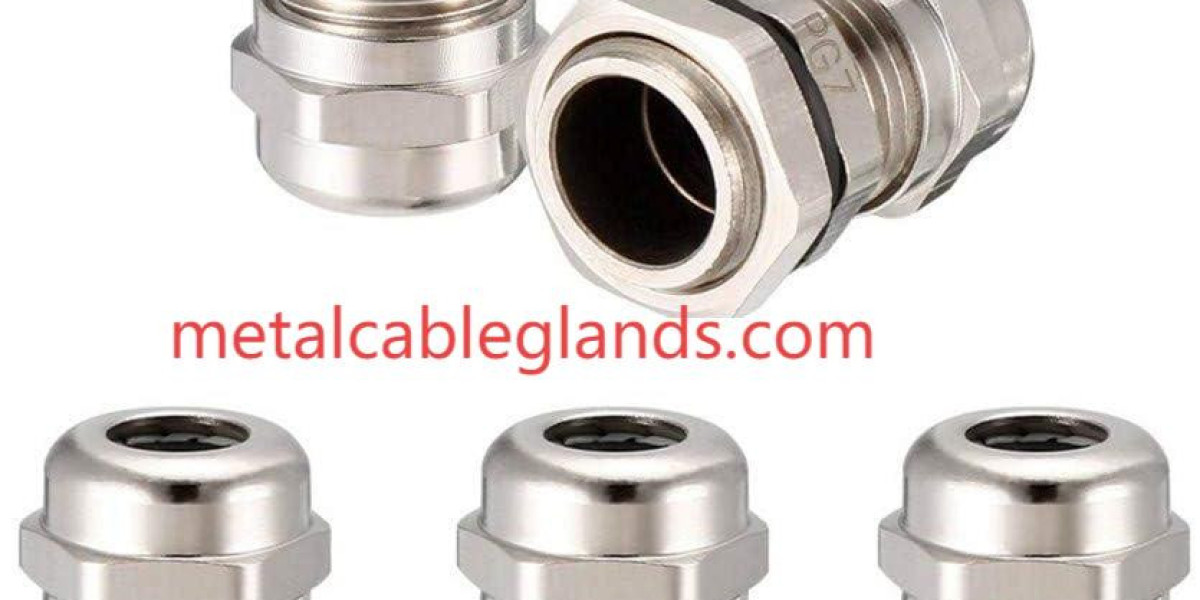

In electrical systems where cables frequently move or change direction, selecting a suitable Anti-Bending Cable Gland can help create a more controlled cable entry. A practical Anti-Bending Cable Gland supports the cable close to the enclosure while reducing sharp bending near the connection point. This design can be useful for automation equipment, outdoor enclosures, machinery, control panels, marine installations, and other wiring systems where cable movement and environmental exposure need to be considered together.
Managing Cable Movement At Entry Points
Cable entry areas can experience repeated mechanical stress when connected wires move during equipment operation, maintenance, vibration, or installation. If a cable bends sharply immediately after entering an enclosure, the same section can experience repeated strain over time.
An anti-bending structure creates a longer and more controlled transition between the fixed gland and the flexible cable. Instead of forcing the cable to change direction at one concentrated point, the extended design can distribute movement across a larger section.
This approach can be particularly useful for equipment where cables are routed around moving machinery or where installation space causes cables to approach the enclosure from different directions.
Materials For Protection And Flexibility
Material selection affects both mechanical behavior and environmental resistance. The product specifications list flame-retardant Nylon PA for the body and nut, while TPE is used for sealing and washer components. NBR and EPDM are also specified for sealing applications.
This combination allows different parts of the gland to perform different functions. The housing needs sufficient structural strength, while sealing elements need to maintain contact around the cable and help limit the entry of moisture and dust.
For projects exposed to demanding conditions, buyers should consider temperature, humidity, chemicals, vibration, and installation location before selecting a suitable configuration.
Metalcableglands For Flexible Cable Routing
Different installations can require different thread sizes and cable ranges. The available product specifications include metric options such as M12 through M25, along with PG sizes including PG7, PG9, PG11, PG13.5, PG16, and PG21.
This range gives purchasing teams more flexibility when matching a gland with existing enclosure openings and cable dimensions. Checking the cable diameter and cut-out size before ordering can help reduce installation problems.
For distributors, multiple configurations can also make it easier to serve customers working with different control cabinets, machinery, junction boxes, and electrical assemblies. Color options include black, light grey, and grey, with other colors available on request.
Sealing For Challenging Environments
Mechanical flexibility is only one consideration when selecting a cable gland. The entry point also needs suitable environmental protection. The listed configuration can reach an IP68 protection rating when the appropriate sealing arrangement and thread gasket are used.
This can make the product relevant to applications where cables may encounter water, dust, or changing weather conditions. Marine and offshore equipment, outdoor lighting, industrial machinery, automation systems, and electrical enclosures can all require carefully protected cable entries.
Temperature capability should also be reviewed. The product information specifies dynamic operation from -20°C to 80°C, with short-term exposure up to 100°C, while other stated temperature conditions vary according to the installation state.
Choosing A Suitable Cable Entry Solution
Selecting a cable gland should begin with the actual movement pattern and installation environment. Buyers can review cable diameter, enclosure opening, thread type, bending requirements, temperature range, sealing needs, and expected exposure before confirming a configuration.
For equipment manufacturers, considering these factors during the design stage can help create cleaner cable routes and reduce unnecessary stress around enclosure entries. For distributors, clearly documented dimensions and material information can make repeat sourcing easier.
A well-matched anti-bending gland can contribute to more organized cable routing while supporting mechanical protection and environmental sealing. Businesses looking for cable glands, flexible conduit products, and related wiring accessories can explore additional product information at https://www.metalcableglands.com/ .