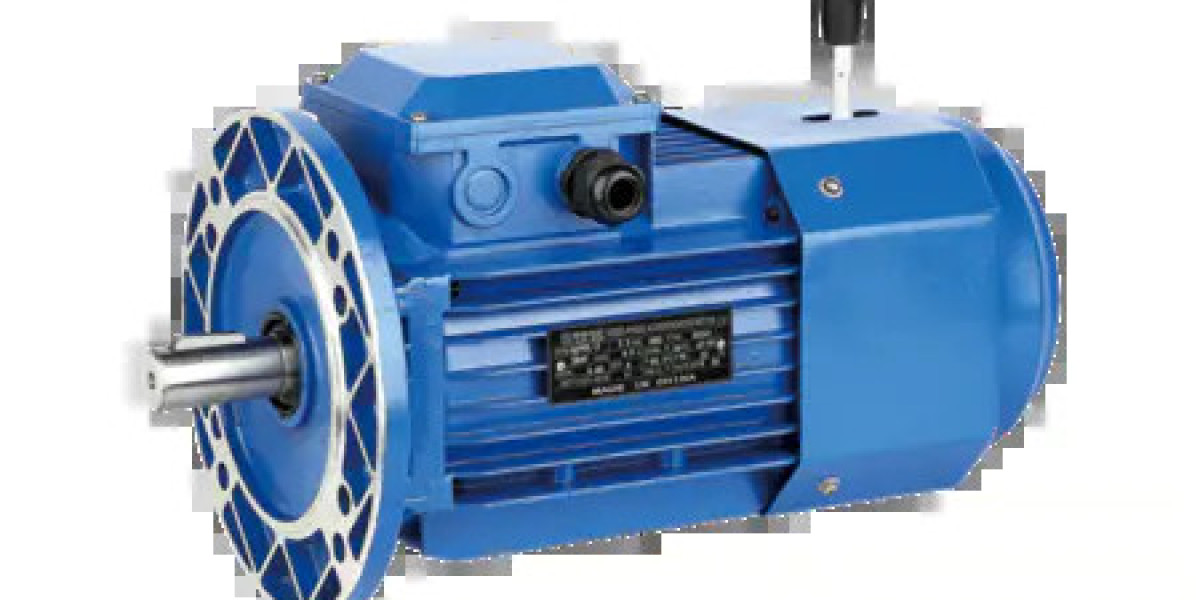

The relationship between a motor and a water pump starts with the way mechanical power is transferred. In a conventional arrangement, the motor and pump may be separate components connected through a coupling. Other designs place the motor and pump closer together, reducing the number of mechanical interfaces between them. For an electric water pump motor, this means shaft dimensions, rotational direction, mounting structure, and torque characteristics need to correspond with the pump rather than being considered independently.
Operating speed is another important factor. Pump performance is influenced by the speed at which the impeller, plunger, or other pumping element operates. A motor running at 750 rpm has a very different operating character from one running at 1,500 or 3,000 rpm. The required speed depends on the pump design and the desired flow and pressure conditions. Simply selecting a higher-speed motor does not necessarily produce a more suitable pumping system.
Motor power should also be evaluated against the actual pump load. If the pump requires more torque than the motor can provide under its intended operating conditions, the system may not perform as expected. On the other hand, selecting a substantially larger motor without considering the pump's operating range can make the overall system unnecessarily large. Matching motor output to the pump's working point is therefore part of the mechanical design process.
Mounting dimensions become particularly important when space is limited. Common mounting arrangements such as B3 and B5 provide different ways to position the motor relative to the driven equipment. The selected configuration affects shaft alignment, available installation space, access for maintenance, and the way the motor is secured to the machine frame.
The working environment also deserves attention. An electric water pump motor installed in industrial machinery may encounter moisture, dust, temperature changes, or continuous operating loads. Protection class, insulation class, and duty rating provide useful technical references, but they should be considered alongside the actual installation conditions. For example, a motor intended for continuous S1 operation needs to be evaluated differently from one used only intermittently.
Application type can further change the selection criteria. Pump motors may be incorporated into hydraulic equipment, machine tools, engineering machinery, industrial pumps, and other systems where the surrounding equipment places different demands on the drive. Shaft arrangement and mounting may matter more in one machine, while speed and continuous-load characteristics may receive greater attention in another.
For equipment manufacturers, the most useful specification review usually brings several factors together: rated power, operating speed, torque, mounting type, shaft dimensions, protection level, insulation, duty cycle, and pump compatibility. Considering these specifications as a complete system makes it easier to identify an electric water pump motor that fits both the electrical requirements and the mechanical layout of the equipment.