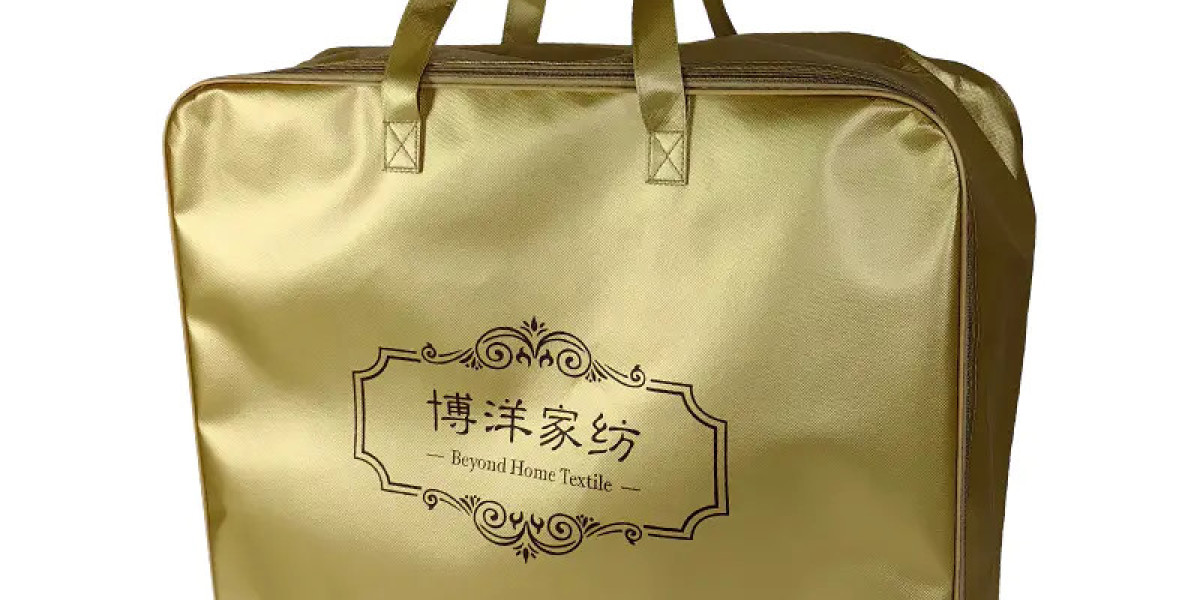

A Breathable Duvet Storage Bags relies heavily on the characteristics of its main fabric. Non-woven fabric is commonly considered for this type of storage because its fiber structure contains small spaces that allow air to move through the material. This can be useful when a duvet has retained some moisture after washing or has been stored in a humid environment. Compared with completely sealed plastic materials, a breathable textile construction provides a different approach to long-term bedding storage.
Fabric density still needs to be considered. A material that is too light may lack the strength required for repeated handling, while a denser structure can provide greater resistance to tearing but may reduce air permeability. The right balance depends on the size and weight of the bedding as well as how frequently the storage bag will be moved. For larger duvet bags, fabric strength around the handles, seams, and corners is also important because these areas experience additional stress during handling.
Visibility creates another material consideration. A clear PVC panel allows users to identify the duvet or bedding set without opening the bag, which can be convenient when several storage bags are kept together. However, PVC is a non-porous material, so the area covered by the transparent panel does not provide the same airflow as a textile body. A storage bag can therefore combine a clear window with breathable fabric panels when visibility and ventilation both need to be considered.
Oxford fabric offers another construction option. Its woven structure provides a different balance of strength, surface appearance, and air movement compared with non-woven material. When an Oxford fabric body is combined with a transparent PVC section, the two materials perform different roles within the same bag. The textile panels provide most of the bag structure, while the transparent section makes the contents easier to identify. The seam connecting these materials needs to be carefully constructed because it joins two materials with different physical characteristics.
The intended storage environment should also influence material selection. A duvet kept temporarily between seasons may have different requirements from bedding stored for many months. Likewise, a bag used in a dry indoor wardrobe does not necessarily face the same conditions as one kept in a basement, attic, or other area where humidity can fluctuate. These factors help determine whether breathability, visibility, structural support, or a combination of these characteristics should receive greater attention.
For manufacturers developing Breathable Duvet Storage Bags, material selection is therefore closely connected with the actual storage scenario. Non-woven fabric, Oxford fabric, and PVC panels each contribute different properties, and combining them changes how the finished bag handles airflow, visibility, weight, and durability. Considering these materials as part of one complete structure can help create a storage bag suited to the bedding and environment it is expected to handle.