
When designing and maintaining modern electrical distribution networks, choosing the right conductors is essential for long-term operational safety, system stability, and uninterrupted power supply. Low-voltage aerial electrical infrastructure relies heavily on specialized overhead conductors that can withstand severe environmental exposure, mechanical stress, and thermal loads while delivering electricity securely from utility transformers to end-user facilities. Among the various conductor configurations available in the wire cable industry, quadruplex cable stands out as a highly reliable, heavy-duty solution specifically tailored for three-phase overhead power distribution and service drop systems.
The quadruplex cable is a specialized aerial bundle cable designed primarily to transfer three-phase alternating current electrical power from utility main distribution lines or pole-mounted transformers directly to residential, commercial, and industrial facilities. Understanding the precise engineering, structural composition, electrical rating, and installation procedures associated with this cable type enables power engineers, utility managers, and electrical contractors to build robust, code-compliant distribution networks.
Understanding Quadruplex Cable Architecture and Engineering
The physical architecture of a quadruplex cable is distinct from standard single-core or duplex conductor arrangements. It consists of four individual conductors twisted tightly together around a central supporting core, forming a compact, self-supporting bundle. In a standard four-conductor arrangement, three insulated phase conductors carry the live electric current, while the fourth conductor acts as a neutral or messenger wire responsible for completing the circuit and providing physical support to the entire assembly.
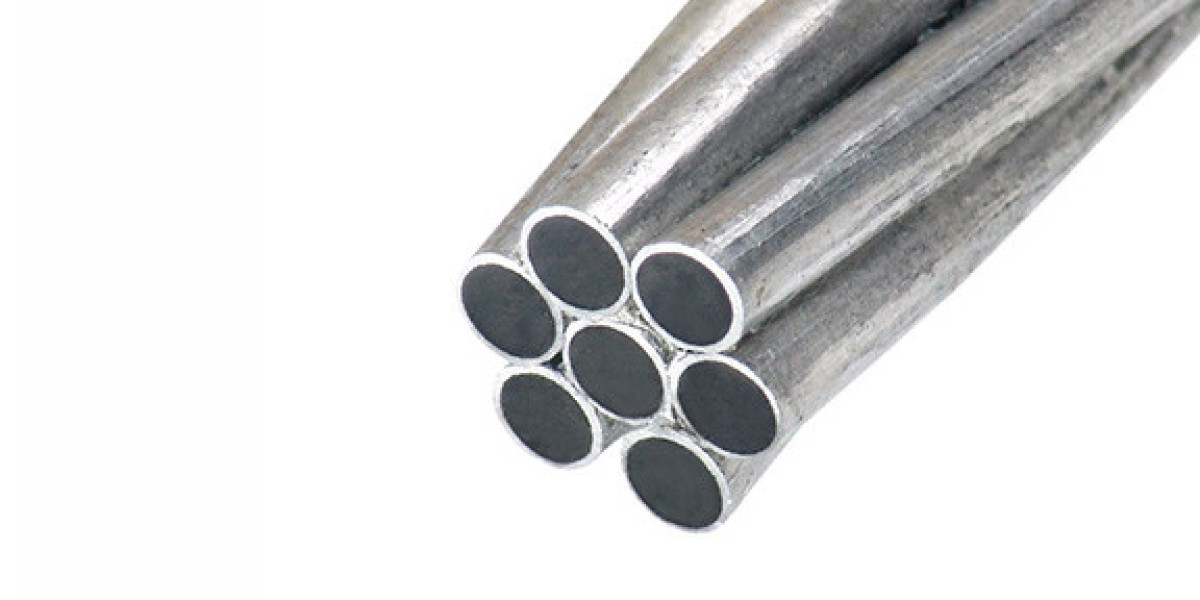
The phase conductors are manufactured from high-purity, circular stranded, rounded, and compacted aluminum. Compacted aluminum conductors are preferred over copper in overhead electrical distribution systems because aluminum offers an optimal strength-to-weight ratio, high electrical conductivity, and lower overall material costs. By compacting the stranded aluminum wires during the manufacturing process, manufacturers reduce air gaps between individual wire strands, resulting in a smaller overall cable diameter, lower wind load resistance, and improved structural integrity.
Each phase conductor is wrapped in a thick, durable layer of extruded thermoplastic or thermosetting insulation. The most common insulating materials utilized in quadruplex cable construction are Polyethylene (PE) and Cross-Linked Polyethylene (XLPE). XLPE insulation is particularly favored in demanding utility environments due to its superior physical toughness, higher thermal threshold, and resistance to environmental degradation. The neutral messenger wire, positioned at the center or side of the twisted bundle, can be supplied as a bare conductor or an insulated conductor, depending on specific regulatory standards, safety requirements, and local grid configurations.
Standards, Specifications, and Technical Parameters
Utility infrastructure projects require strict adherence to international standard specifications to guarantee safety, operational continuity, and system longevity. Quadruplex cable products are manufactured and rigorously tested in compliance with prominent international guidelines, including standard specifications established by ASTM International, the International Electrotechnical Commission (IEC), and French Standard (NFC).
In North America and international markets adhering to ASTM guidelines, quadruplex service drop cables are typically rated for operational system voltages up to 0.6/1kV for AC systems and up to 0.9kV for DC systems. Standard ASTM configurations utilize specific animal code names (such as Chinchilla, Costen, Grison, Palomino, Mustang, and Clydesdale) to identify standardized wire sizes, conductor strand counts, insulation thicknesses, breaking strengths, and total weights.
The thermal performance of quadruplex cable assemblies is heavily influenced by the choice of insulating material:
Polyethylene (PE) Insulated Cables: Designed for standard continuous operating temperatures up to 75°C. PE insulation provides adequate electrical resistance for moderate climate conditions and standard loading requirements.
Cross-Linked Polyethylene (XLPE) Insulated Cables: Designed for higher continuous operating temperatures reaching up to 90°C. XLPE offers superior resistance to thermal deformation, allowing the wire cable system to handle short-term emergency overloads without melting or degrading. Under short-circuit conditions, XLPE-insulated quadruplex cable can endure temperatures up to 250°C for up to five seconds without permanent structural breakdown.
The neutral messenger wire plays a dual role: it completes the electrical circuit and bears the mechanical tension of the overhead span. Depending on the mechanical span requirements and ground clearance constraints, the neutral messenger wire is manufactured using different aluminum alloy combinations:
AAC (All Aluminum Conductor): Suitable for short spans and lighter mechanical loads where high tensile strength is not the primary requirement.
AAAC (All Aluminum Alloy Conductor): Offers higher tensile strength and enhanced mechanical load handling, making it ideal for longer spans between utility poles.
ACSR (Aluminum Conductor Steel Reinforced): Features a core of galvanized steel surrounded by layers of stranded aluminum. ACSR neutral messengers deliver maximum tensile strength and minimal sag over extended distances, protecting the insulated phase conductors from structural stress.
Operational Advantages in Power Distribution Networks
Deploying quadruplex cable in aerial distribution networks provides fundamental operational improvements compared to traditional bare overhead conductors. Standard bare wire systems rely entirely on air spacing between separate phase lines to prevent short circuits. However, when bare overhead wires are subjected to severe windstorms, falling tree branches, or heavy snow accumulation, phase conductors can clash together, creating short circuits, power outages, electrical fires, or transformer damage.
The fully insulated construction of quadruplex cable eliminates the risk of phase-to-phase contact. Because the individual conductors are insulated and bound into a single multi-core bundle, wind gusts and mechanical vibrations move the entire cable as a unified unit rather than causing separate lines to collide. This design significantly decreases unscheduled power interruptions, reduces utility maintenance costs, and improves overall network reliability.
In addition to preventing physical clashing, insulated aerial bundle conductors protect power grids from tree interference in wooded residential or rural regions. Where bare overhead wires require constant, expensive tree-trimming programs to prevent branches from making contact with live lines, quadruplex cable can safely tolerate temporary contact with tree limbs without causing ground faults or localized fires.
Furthermore, quadruplex cable enhances safety for public maintenance crews, utility workers, and nearby structures. The thick PE or XLPE insulation layer prevents accidental electrical shock in the event of unintentional contact during utility maintenance, construction work, or emergency repair operations.
Installation Procedures and Best Practices
Installing overhead quadruplex cable requires precise engineering techniques, appropriate tensioning equipment, and specialized hardware fittings to ensure long-term stability and optimal electrical performance.
Pre-Installation Survey and Route Planning Before pulling the cable, field engineers must conduct a thorough site survey to assess span lengths, pole height, clearance levels above roads or structures, and local environmental conditions. Cable sizing must be carefully calculated based on projected electrical load demands, maximum ambient temperatures, and permissible voltage drop limits over the distance of the run.
Hardware Selection and Mounting Specialized mounting hardware is required to anchor quadruplex cable to utility poles or building exterior walls. The neutral messenger wire absorbs all mechanical tension, so tension clamps, wedge dead-end clamps, and suspension brackets are fitted directly to the messenger rather than the insulated phase conductors. Neutral messenger dead-end fittings must match the mechanical properties and outer diameter of the specific AAC, AAAC, or ACSR messenger wire being used.
Stringing and Tensioning During cable pulling operations, quadruplex cable must be paid off smoothly from wooden or steel reels using suitable pulling sheaves and stringing blocks. Care must be taken to prevent the insulated phase conductors from dragging across abrasive surfaces, asphalt, or sharp pole attachments that could scratch or gouge the protective PE or XLPE jacket. Cable tensioning should strictly follow manufacturer tension-sag charts to ensure proper ground clearance without exceeding the rated breaking strength of the neutral messenger.
Bending Radius and Minimum Clearances To maintain the dielectric integrity of the insulation, installers must observe the recommended minimum bending radius. For standard quadruplex cable installations, the minimum bending radius is typically 15 times the overall cable diameter. Sharp bends can cause stress cracking in the XLPE insulation or deform the stranded aluminum conductors, potentially leading to premature electrical breakdown.
Termination and Splicing When terminating or splicing quadruplex cable conductors, installers must use high-quality compression connectors, insulation-piercing connectors (IPCs), or mechanical lug terminals designed specifically for aluminum conductors. Proper anti-oxidant joint compound should be applied to prevent aluminum oxide formation on exposed strand ends, ensuring low-resistance electrical contact and preventing localized overheating over time.
Industrial Applications and Utility Deployments
Quadruplex cable is utilized across diverse electrical infrastructure projects worldwide. Its versatile four-conductor layout makes it the primary standard for low-voltage three-phase service drops and localized power distribution networks.
Residential Three-Phase Service Connections: In areas requiring higher power capacity for large residential complexes, apartment buildings, or home workshops, quadruplex cable connects three-phase utility poles directly to the customer weatherhead and meter socket.
Commercial and Industrial Supply: Commercial facilities, industrial workshops, agricultural farms, and processing plants rely on three-phase electrical power to operate heavy motor loads, HVAC systems, and manufacturing machinery. A single quadruplex cable drop provides all three active phases along with the grounded neutral conductor needed to power these industrial loads efficiently.
Rural Electrification and Infrastructure Expansion: Building utility lines in remote or rural areas often involves challenging terrain and long distances between distribution poles. Utilizing quadruplex cable with high-strength ACSR neutral messengers allows utility companies to establish low-voltage lines across wide spans with reduced hardware costs.
Temporary Construction Site Power: Large construction projects, civil engineering sites, and temporary events require reliable, multi-phase electrical power. Quadruplex cable provides a durable, temporary overhead power supply line that can be easily installed, re-tensioned, and eventually relocated once construction is complete.
Quality Assurance, Testing, and Material Selection
To ensure overhead wire cable products operate reliably throughout their typical multi-decade service life, reputable manufacturers enforce rigorous quality assurance protocols during production. Every stage of manufacturing—from aluminum rod drawing and stranding to insulation extrusion and final cable assembly—must comply with strict quality management systems.
Routine testing procedures for quadruplex cable products include:
Conductor Resistance Testing: Verifies that the electrical resistance of stranded aluminum conductors meets standard conductivity thresholds per ASTM or IEC requirements.
Insulation Thickness and Concentricity Checks: Measures extruded PE or XLPE insulation layers to ensure uniform wall thickness around the entire circumference of each conductor, preventing thin spots that could lead to dielectric failure.
Tensile and Elongation Testing: Tests the mechanical strength of both the conductor materials and the insulating compounds to verify resistance to stretching, pulling forces, and environmental wear.
Voltage Withstand Testing: Subjects finished cable samples to high electrical voltages for specified time intervals to verify dielectric strength and insulation integrity.
Weathering and UV Resistance Testing: Evaluates the performance of carbon-black-pigmented insulation compounds when exposed to intense ultraviolet radiation, moisture, and temperature fluctuations.
Selecting high-grade quadruplex cable constructed from premium raw materials ensures that power distribution systems remain safe, resilient, and cost-effective throughout years of exposure to harsh weather conditions.
Final Thoughts
The continuous expansion and modernization of global electrical grids demand overhead wiring solutions that combine high electrical performance, robust mechanical strength, and reliable operational safety. Quadruplex cable remains a cornerstone component in low-voltage power distribution systems worldwide. Its specialized four-conductor design—integrating three insulated phase conductors with a heavy-duty neutral messenger—provides a compact, secure, and weather-resistant solution for three-phase utility service drop applications. By understanding cable construction parameters, selecting appropriate ASTM or IEC specifications, and implementing strict installation practices, utility engineers and contractors can establish durable overhead electrical networks that deliver reliable power to residential, commercial, and industrial facilities for decades to come.