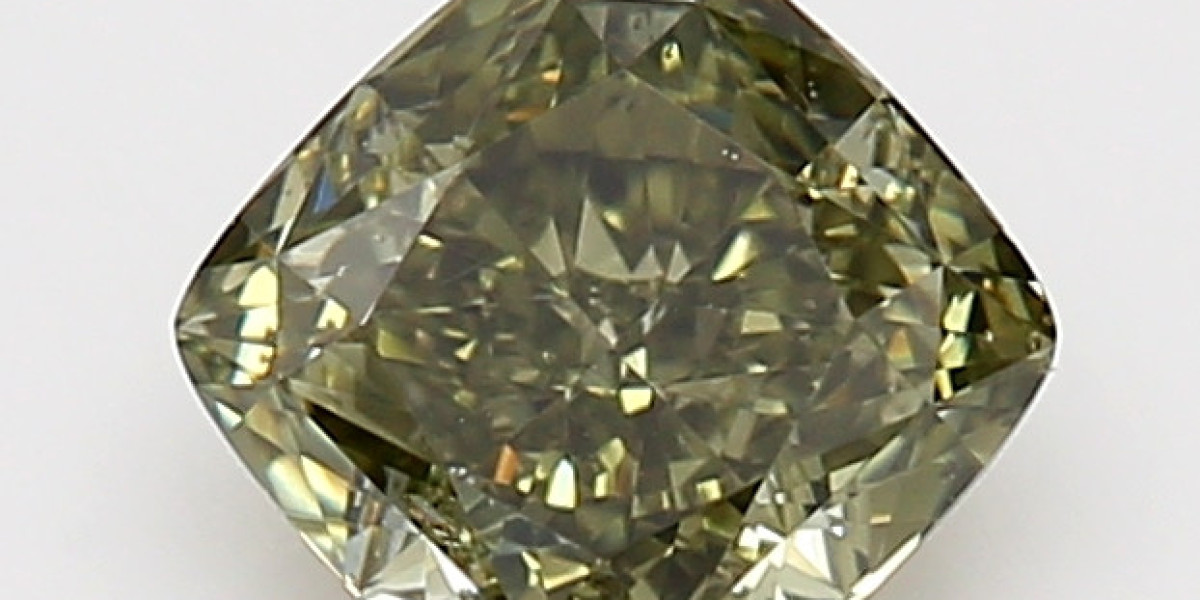

A natural diamond is a timeless choice for fine jewelry. Formed naturally deep within the Earth, each diamond has its own characteristics, including shape, color, clarity, size, and proportions. These differences make every stone unique.
When choosing a natural diamond, the shape and diamond cuts are also important. The right cut can influence the way a diamond reflects light and how it looks in a finished piece of jewelry.
Raremonds offers a range of diamonds in different shapes, sizes, colors, clarity grades, and cutting styles. Its online inventory includes round, pear, oval, marquise, heart, radiant, emerald, cushion, princess, triangle, and special-cut options.
What Is a Natural Diamond?
A natural diamond is a diamond created naturally through geological processes rather than manufactured in a laboratory. Natural diamonds are available in many different appearances and qualities.
Some diamonds have a classic white appearance, while others display natural colors. Their individual characteristics can make them suitable for different jewelry designs.
When selecting a natural diamond, it is useful to consider the 4Cs:
- Color
- Clarity
- Cut
- Carat Weight
These characteristics help buyers understand the qualities of a particular diamond and compare different stones.
Understanding Different Diamond Cuts
Diamond cuts play an important role in the appearance of a diamond. Cut refers to the way the diamond has been fashioned, including its proportions, facets, symmetry, and finish.
The shape of a diamond is also an important design consideration. Popular options available through the Raremonds inventory include:
Round Cut
The round shape is a classic choice and is widely used for engagement rings, earrings, and other fine jewelry.
Oval Cut
Oval diamonds have an elongated outline and can provide an elegant appearance in rings and pendants.
Pear Cut
The pear shape combines rounded and pointed ends, creating a distinctive look for jewelry.
Marquise Cut
The marquise shape has an elongated outline with pointed ends and can create a dramatic appearance.
Cushion Cut
Cushion diamonds have a soft, classic outline with rounded corners and can work well in both traditional and modern designs.
Emerald Cut
The emerald shape has a rectangular outline and step-style faceting, giving it a clean and sophisticated appearance.
Radiant Cut
Radiant diamonds combine a geometric outline with brilliant-style faceting, making them a versatile option for jewelry.
Special Cuts
For people looking for something different, special cuts and geometric shapes can provide additional design possibilities. Raremonds lists special-cut diamonds alongside traditional shapes in its inventory.
Choosing the Right Natural Diamond
Choosing the right natural diamond depends on your jewelry requirements, personal style, and budget.
Start by deciding what type of jewelry you want to create. A center stone for a ring may require different proportions from diamonds intended for earrings or a pendant.
Next, consider the shape. A round diamond offers a classic appearance, while pear, oval, marquise, cushion, and special cuts can create a more distinctive design.
You should also consider clarity and color. The right balance between these characteristics can help you select a diamond that matches your requirements.
Raremonds' inventory allows customers to filter diamonds by shape, carat size, clarity, color, laboratory, polish, cut, fluorescence, and symmetry.
Natural Diamond for Bespoke Jewelry
A natural diamond can be an excellent starting point for bespoke jewelry. Instead of selecting a standard finished piece, you can build a jewelry design around the diamond you choose.
For example, a special-shaped diamond can become the center of a custom ring. Smaller diamonds can then be selected to complement the main stone.
Bespoke jewelry can also be created for earrings, pendants, bracelets, necklaces, and other fine jewelry pieces. The design can be developed around specific requirements such as stone size, shape, layout, and overall style.
Why Diamond Cuts Matter in Custom Designs
The choice of diamond cuts can change the personality of a jewelry piece.
A round diamond may create a traditional appearance, while a geometric special cut can give the same piece a more contemporary feel. Similarly, elongated shapes such as oval and marquise can create a different visual effect from square or rectangular shapes.
This flexibility makes diamond cuts particularly useful when designing personalized jewelry.
Raremonds' inventory currently includes traditional and special shapes, as well as diamonds in white and fancy colors.
Tips for Buying a Natural Diamond
Before choosing your diamond, keep these points in mind:
- Choose the jewelry type – Decide whether the diamond is for a ring, earrings, pendant, or another piece.
- Select the shape – Compare different diamond cuts and outlines.
- Review the 4Cs – Consider color, clarity, cut, and carat weight.
- Check certification – Review the available laboratory report when applicable.
- Think about the setting – Make sure the diamond's dimensions work with the planned jewelry design.
- Consider customization – Bespoke services can help when you have specific requirements.
1. What is a natural diamond?
A natural diamond is a diamond formed naturally through geological processes. It can be used in many types of fine jewelry.
2. What are diamond cuts?
Diamond cuts describe how a diamond is fashioned, including its proportions, facets, symmetry, and finish.
3. What is the difference between diamond cut and diamond shape?
Diamond shape refers mainly to the outline of the stone, such as round, oval, pear, or cushion. Cut relates to how the diamond is fashioned and finished.
4. Which diamond shapes are available at Raremonds?
The online inventory lists round, pear, oval, marquise, heart, radiant, emerald, cushion, princess, triangle, and special-cut options.
5. Can I use a natural diamond for bespoke jewelry?
Yes. A natural diamond can be selected as the centerpiece or part of a customized jewelry design.
6. What are the 4Cs?
The 4Cs are Color, Clarity, Cut, and Carat Weight. They are commonly used to describe important characteristics of a diamond.