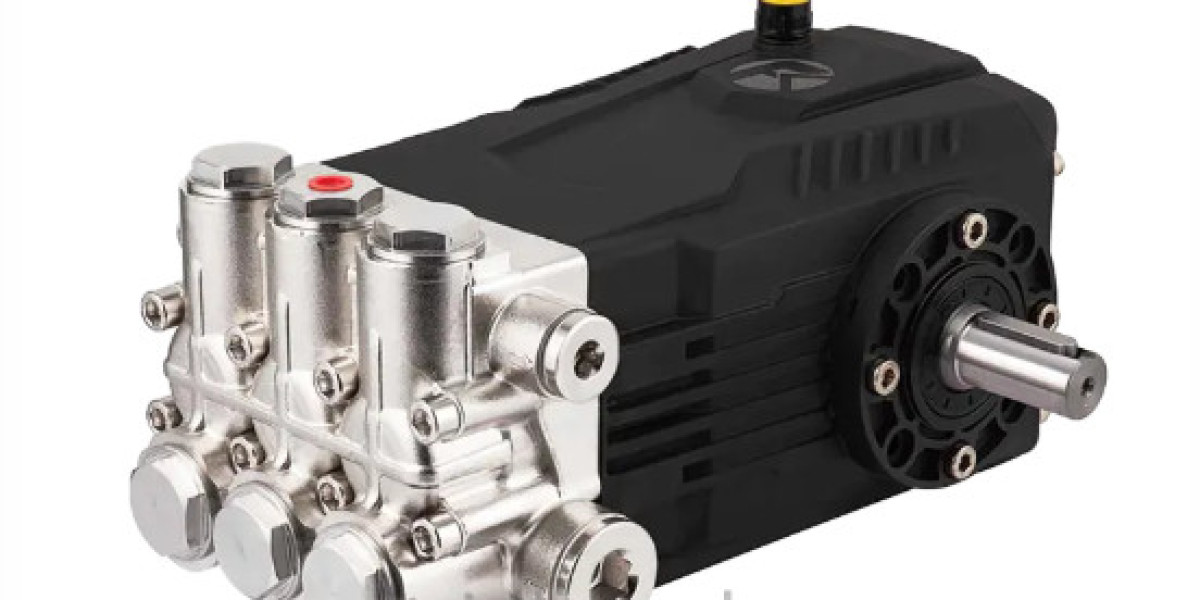

Reciprocating pumping technology is widely used in industrial environments where controlled fluid movement and pressure generation are required. A Piston Pump uses a reciprocating piston to move fluid through a defined pumping cycle, allowing it to serve applications where conventional centrifugal equipment may not provide the desired operating characteristics. Its suitability depends on the required pressure, flow, fluid properties, operating frequency, and overall system configuration rather than on pressure capability alone.
The basic operating principle involves a piston moving back and forth within a cylinder. During one part of the cycle, fluid enters the pumping chamber, while movement in the opposite direction pushes the fluid toward the discharge side. Valves coordinate the inlet and outlet flow so that the working fluid follows the intended path. The specific mechanical arrangement can vary between designs, but the fundamental reciprocating action remains central to this type of equipment.
One important characteristic of reciprocating technology is its ability to provide controlled displacement during each cycle. This can be useful in applications where fluid delivery needs to be managed under relatively high-pressure conditions. However, the actual performance of any individual system depends on piston dimensions, operating speed, valve design, drive configuration, fluid properties, and discharge conditions. Engineers should therefore evaluate equipment using the complete duty requirement rather than relying on a single operating value.
Material selection becomes increasingly important when the equipment handles fluids other than clean water. Internal components may experience contact with chemicals, treated liquids, abrasive particles, or elevated temperatures depending on the application. Materials should be selected based on corrosion resistance, mechanical strength, wear characteristics, and compatibility with the working fluid. Seal and packing materials require similar consideration because these components can be affected by both fluid chemistry and repeated mechanical movement.
Sealing performance is a major factor in reciprocating equipment. The piston must move repeatedly while the system maintains effective fluid containment. Seals can experience mechanical wear over time, particularly when operating conditions involve frequent cycles or unsuitable lubrication. Regular inspection can help identify leakage, deterioration, or abnormal wear. Maintaining clean operating conditions and following recommended maintenance practices can also support more predictable equipment service.
A Piston Pump can be integrated into industrial cleaning systems where controlled pressure and fluid delivery are needed. Applications may include cleaning machinery, equipment surfaces, production areas, industrial components, and other structures. The effectiveness of a pressure-cleaning system depends on several factors, including flow rate, nozzle characteristics, spray distance, water temperature, and contamination type. Pump selection should therefore be coordinated with the complete cleaning arrangement.
Water treatment operations may also use reciprocating pumping equipment for selected process functions. Depending on system requirements, pressurized fluid can assist with flushing, filtration-related processes, chemical dosing arrangements, or circulation tasks. The pump must be compatible with the fluid and the process conditions, especially when chemicals or treated water are involved. Properly selected valves, filters, regulators, and monitoring devices can help maintain appropriate control across the fluid circuit.
Maintenance planning should be incorporated into the equipment lifecycle from the beginning. Common inspection points can include valves, piston seals, packing, lubrication systems, pipe connections, pressure gauges, and drive components. Operators may also monitor changes in vibration, noise, temperature, leakage, and pressure behavior. These observations can provide useful indications of changing equipment conditions and help maintenance teams determine when further inspection is necessary.
Installation is another factor that should not be overlooked. The pump should be mounted securely and aligned correctly with its drive system. Inlet piping needs to provide suitable fluid supply conditions, while discharge piping should accommodate the expected pressure and flow. Poor inlet design, excessive piping resistance, or misalignment can introduce unnecessary stress and affect system operation even when the selected equipment is otherwise appropriate.
Energy efficiency can be addressed through proper system design and operating control. Selecting equipment that corresponds with actual demand can help avoid unnecessary energy use. Maintaining valves and seals in suitable condition can reduce losses associated with leakage or inefficient operation. Appropriate piping dimensions and reduced restrictions can also support efficient fluid movement throughout the system.
For industrial buyers, selecting reciprocating equipment should begin with a clear understanding of the application. Fluid type, pressure requirements, flow demand, operating cycle, environmental conditions, maintenance resources, and integration with other equipment should all be reviewed. A Piston Pump is one component within a broader fluid-handling system, and its practical value depends on how effectively it matches the surrounding process. Businesses exploring industrial pressure and pumping solutions can review https://www.triplex-plungerpump.com/product/pumps/ for additional equipment information and application-oriented options.