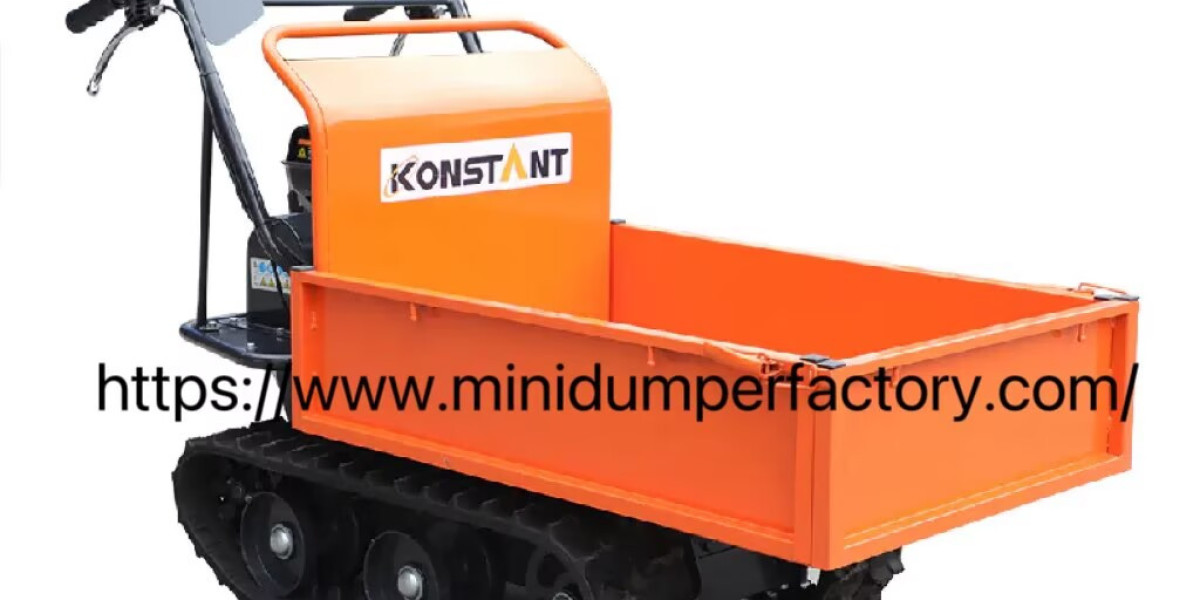

Power Barrow Factory selection should involve more than comparing product photographs or quoted prices. Buyers need to understand how equipment is produced, configured, inspected, customized, packaged, and prepared for delivery. Contractors may focus on worksite conditions, while distributors can pay greater attention to configuration consistency, replacement parts, packaging, and repeat orders. Importers may also need detailed documentation plus shipment coordination. Reviewing these areas together gives buyers a clearer basis for evaluating whether a production partner fits their purchasing requirements.
Ask How The Production Process Is Organized
The production workflow can provide useful information about how an order moves from components to finished equipment. Buyers can ask about frame preparation, welding, assembly, surface treatment, component installation, functional testing, and final inspection.
It is helpful to understand whether each stage follows defined procedures. For repeat purchasing, an organized workflow can make it easier to maintain consistent specifications across different batches.
Buyers can also ask how production information is recorded. Clear records can help when the same configuration needs to be reproduced for future orders.
Examine The Main Components
A complete equipment review should include the major components rather than focusing on the outer structure. Buyers can examine the engine or motor, transmission, tires or tracks, hydraulic system, controls, braking components, frame, hopper, and other application-related parts.
The selected components should correspond with the intended workload. For example, equipment used on uneven ground may require different considerations from units operating mainly on paved surfaces.
Buyers should also clarify component specifications before confirming an order. Written records can help prevent differences between the requested configuration and the finished equipment.
Verify The Testing Process
Testing is an important stage before equipment leaves the production site. Buyers can ask which operating functions are checked and how test results are recorded.
Depending on the configuration, checks may cover starting, movement, steering, braking, unloading, hydraulic operation, controls, structural condition, and other relevant functions.
For customized orders, buyers should request that agreed specifications become part of the inspection checklist. This can include body dimensions, tire type, color, labels, control arrangements, or unloading requirements.
A clearly defined inspection process gives both sides a common reference before shipment.
Review Customization Procedures
Customization can help buyers adapt equipment to different market requirements. Options may include body dimensions, tire configurations, colors, labels, packaging, controls, unloading arrangements, or other specifications.
Before confirming changes, buyers should ask which options are already available plus which modifications require additional preparation. They should also check whether customized specifications affect production time or order quantities.
minidumperfactory can discuss configuration requirements according to the application information supplied by buyers. Details about materials, terrain, access space, workload, and intended market can help create a clearer specification before production begins.
Check Consistency For Repeat Orders
A single unit can be evaluated differently from a batch of equipment. Buyers placing repeated orders should consider whether the same specifications can be maintained across different production cycles.
Useful points include component references, configuration records, inspection requirements, color codes, labels, packaging instructions, and technical documentation.
For distributors, consistent specifications can simplify inventory management plus customer communication. Contractors operating several units may also benefit from matching configurations because operators can become familiar with similar controls and maintenance procedures.
Evaluate Spare Parts Availability
Replacement components should be considered during the initial purchasing discussion. Buyers can ask which parts normally require periodic inspection or replacement.
A detailed parts list can include component names, model references, diagrams, plus relevant maintenance information. This can make future purchasing more organized.
Distributors may also want to establish a basic parts inventory for customers who operate equipment regularly. Discussing commonly required components in advance can help create a more practical maintenance plan.
Review Packaging And Loading
Long-distance transportation creates additional requirements for equipment preparation. Buyers should ask how the machines are protected during loading, storage, handling, and transportation.
Important details can include packing dimensions, protective materials, fixing methods, loading procedures, labels, and container arrangements.
Buyers should also compare packed dimensions with their transportation plans. Accurate measurements can assist with freight planning, warehouse organization, and receiving arrangements.
For international orders, packaging requirements should be confirmed before production is completed.
Confirm Technical Documentation
Documentation can support both purchasing and later equipment use. Buyers should ask about product specifications, operating instructions, maintenance information, inspection records, packing lists, invoices, and other documents relevant to their market.
Distributors can use accurate technical information when communicating with customers. Contractors may need operating instructions for internal training plus maintenance planning.
Documentation should match the actual configuration being purchased. If customized equipment is involved, the final documents should reflect the agreed specifications.
Review Order Communication
Clear communication can make complex orders easier to manage. Buyers should check whether technical specifications, quantities, customization details, packaging instructions, inspection requirements, and delivery schedules are recorded accurately.
For international purchasing, written confirmation is particularly useful. It provides a shared reference when several equipment configurations are included in one order.
Buyers can also prepare a standard purchasing checklist. Using the same checklist for each quotation can make comparisons more structured while reducing the chance of overlooking important details.
Consider Future Purchasing Requirements
Buyers planning repeat purchases should evaluate whether the production relationship can support future requirements. Useful questions include how previous specifications are retained, how configuration changes are communicated, how replacement components are identified, plus how production schedules are arranged.
This is particularly relevant for distributors developing a product range. A clear process for repeat orders can make future purchasing discussions easier.
minidumperfactory provides compact material transport equipment for buyers with different application requirements. Buyers can review available configurations, examine product details, discuss customization needs, and prepare purchasing specifications according to their projects. Current product information is available at https://www.minidumperfactory.com/ where buyers can review the product range before discussing configuration, quantity, packaging, documentation, and delivery requirements.