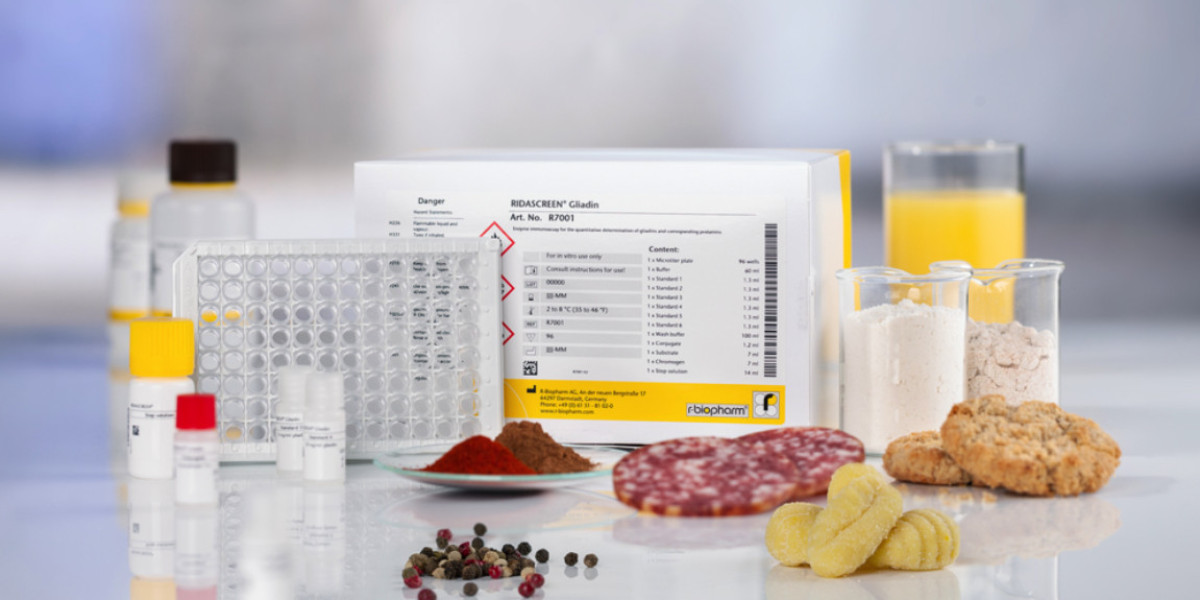

If you are being evaluated for a gluten-related condition, one detail can make a significant difference when interpreting blood test results: whether you have been eating gluten before the test.
The Anti-Gliadin Ab IgA & IgG Test in Dubai measures antibodies directed against gliadin, a protein component of gluten. Because antibody levels can be influenced by gluten exposure, a person's recent diet can be an important part of the clinical picture.
This does not mean that everyone needs to eat gluten before every antibody test, nor does it mean that a positive or negative result automatically confirms a particular condition. Instead, gluten exposure is one of several factors that healthcare professionals consider when interpreting antibody testing.
Understanding the relationship between gluten consumption and antibody levels can help you prepare appropriately and avoid confusing test results with a diagnosis.
Gluten Exposure and the Immune Response: The Basic Connection
Gluten is a group of proteins naturally present in wheat, barley, and rye. Gliadin is one of the major protein components of gluten.
For people without a relevant immune-mediated disorder, gluten exposure generally does not cause the type of abnormal antibody response associated with celiac disease.
In celiac disease, however, gluten exposure can trigger an abnormal immune response. This response involves antibodies and can eventually contribute to inflammation and damage in the small intestine.
The Anti-Gliadin Ab IgA & IgG Test looks for antibodies directed against gliadin. Therefore, what a person has been eating before testing can be relevant to how the result is interpreted.
What Happens When You Are Regularly Eating Gluten?
When a person with celiac disease consumes gluten, the immune system can continue to respond to gluten-related proteins.
As part of this immune activity, certain antibodies may become detectable in the blood. This is one reason celiac-related blood tests are generally interpreted in the context of ongoing gluten exposure.
However, antibody levels do not behave identically in every person. The amount of gluten consumed, duration of exposure, individual immune response, previous dietary restriction, and other factors can all affect testing.
The presence of gluten in the diet therefore provides context, but it does not guarantee a positive result.
What Happens After You Stop Eating Gluten?
One of the most important considerations is what happens when someone starts a gluten-free diet before diagnostic testing.
Reducing or eliminating gluten can decrease the immune stimulation associated with gluten exposure. In people with celiac disease, this may lead to lower levels of relevant antibodies over time.
As a result, someone who has already been avoiding gluten may receive a negative or lower antibody result even though celiac disease has not been definitively excluded.
This is why telling your healthcare professional about dietary changes before testing is important.
Why a Gluten-Free Diet Can Complicate Diagnosis?
Many people remove gluten because they feel better when avoiding bread, pasta, or other gluten-containing foods. Others may start a gluten-free diet after reading about celiac disease or gluten sensitivity.
While dietary changes may be appropriate for some people, beginning a gluten-free diet before completing a celiac evaluation can make interpretation more difficult.
If celiac disease remains a possibility, testing after prolonged gluten restriction may not provide the same information as testing while gluten is being consumed.
For this reason, discuss your diet with your healthcare professional before making major changes when diagnostic testing is still underway.
Should You Eat Gluten Before the Anti-Gliadin Test?
There is no universal instruction that every person should deliberately increase gluten consumption before an Anti-Gliadin Ab IgA & IgG Test.
The appropriate approach depends on why the test was ordered, what other tests are planned, how long you have avoided gluten, and your individual medical history.
If celiac disease is suspected and you have already removed gluten, your healthcare professional may discuss how to proceed with the diagnostic evaluation.
Do not independently consume large amounts of gluten simply to try to produce a positive antibody result. Gluten reintroduction can cause significant symptoms in some people and should be discussed with an appropriate healthcare professional.
The Difference Between Gluten Exposure and Gluten Sensitivity:
A common misunderstanding is that experiencing symptoms after eating gluten automatically means that the body is producing anti-gliadin antibodies.
That is not necessarily the case.
Digestive symptoms after gluten consumption can occur for several reasons. Some people may have celiac disease, while others may have non-celiac gluten sensitivity (NCGS), wheat allergy, or an unrelated digestive condition.
NCGS does not have a single validated blood test that independently confirms the condition. Diagnosis generally involves clinical assessment and appropriate exclusion of other explanations.
Therefore, gluten exposure alone does not determine the meaning of an Anti-Gliadin Ab IgA & IgG Test.
What If Your Result Is Positive After Gluten Exposure?
A positive anti-gliadin antibody result means that antibodies against gliadin were detected according to the laboratory's criteria.
If you have been regularly eating gluten, that information may be relevant when your healthcare professional interprets the result.
However, a positive anti-gliadin antibody result does not automatically diagnose celiac disease.
Modern celiac evaluation often includes tissue transglutaminase IgA, or tTG-IgA, together with total IgA. Depending on the clinical situation, additional tests such as DGP-IgA, DGP-IgG, or EMA-IgA may also be considered.
The result should therefore be viewed as one part of the diagnostic picture.
What If Your Result Is Negative Despite Eating Gluten?
A negative result means the antibody level did not reach the laboratory's threshold for a positive result.
If you have been eating gluten and the result is negative, that may provide useful information, but it does not automatically explain persistent symptoms or rule out every gluten-related condition.
The interpretation can depend on:
The exact antibody tested
The laboratory's reference range
Your total IgA level
The amount and duration of gluten exposure
Other celiac blood tests
Your symptoms and medical history
A healthcare professional may recommend additional testing if clinical suspicion remains.
Why IgA and IgG Matter When Considering Gluten Exposure?
The test can measure two different antibody classes: IgA and IgG.
IgA plays an important role in immune defense at mucosal surfaces, including the digestive tract. IgG is another major antibody class involved in immune responses.
The two results should not automatically be interpreted in the same way.
Total IgA is particularly relevant because selective IgA deficiency can make IgA-based testing less informative. In such situations, appropriate IgG-based testing may be useful.
This is one reason a complete celiac evaluation may include total IgA alongside other antibody tests.
Anti-Gliadin Antibodies Versus DGP Antibodies:
The terms “anti-gliadin” and “gliadin peptide” can be confusing.
Traditional anti-gliadin antibody testing and deamidated gliadin peptide antibodies are different tests.
DGP-IgA and DGP-IgG detect antibodies against modified gliadin fragments known as deamidated gliadin peptides. They are part of modern celiac serology and may be considered in selected patients.
Therefore, if your report lists DGP antibodies, do not assume that the result is simply another version of the traditional Anti-Gliadin Ab IgA & IgG Test.
How Gluten Exposure Fits Into Celiac Disease Testing?
When celiac disease is suspected, gluten exposure is only one part of the diagnostic process.
A healthcare professional may consider:
Depending on the findings, genetic testing or an intestinal biopsy may also be considered.
This broader approach is important because no single antibody test provides a complete picture in every patient.
What About Wheat Allergy?
Gluten-related immune disorders and wheat allergy should not be treated as the same condition.
A wheat allergy involves an allergic response to proteins in wheat. Symptoms may include hives, swelling, vomiting, wheezing, or other reactions, sometimes occurring relatively soon after exposure.
When wheat allergy is suspected, evaluation may include wheat-specific IgE testing and other allergy assessments.
Anti-gliadin antibody testing is not a substitute for an allergy evaluation.
Common Mistakes to Avoid Before Testing:
Several misunderstandings can make antibody testing more difficult to interpret.
Starting a Gluten-Free Diet Without Medical Guidance:
If celiac disease has not yet been evaluated, removing gluten can affect antibody levels and complicate later testing.
Assuming More Gluten Means a More Accurate Test:
Deliberately consuming excessive amounts of gluten is not a universal requirement and may cause unnecessary symptoms.
Treating One Antibody Result as a Diagnosis:
An elevated anti-gliadin antibody does not automatically mean celiac disease, and a negative result does not explain every digestive complaint.
Ignoring Total IgA:
Low IgA can affect how IgA-based testing should be interpreted.
Comparing Results With Random Online Ranges:
Always use the reference interval provided by the laboratory that performed your test.
Questions to Ask Before Your Blood Test:
If you are preparing for gluten-related antibody testing, consider asking your healthcare professional:
Should I continue my current diet before testing?
Have I been eating enough gluten for the planned evaluation?
Will total IgA be measured?
Will tTG-IgA also be tested?
Are DGP or EMA tests appropriate for my situation?
What should I do if I have already been gluten-free?
Do I need any special preparation before the blood draw?
These questions can help ensure that your test results are interpreted with the right dietary and clinical context.
After the Test: Do Not Change Your Diet Based on One Number
It can be tempting to immediately eliminate gluten after seeing an abnormal antibody result.
However, if celiac disease has not been fully evaluated, changing your diet may affect future testing.
Likewise, a negative anti-gliadin result does not necessarily mean that your digestive symptoms should be ignored.
The appropriate next step depends on the complete clinical picture, including symptoms, gluten exposure, antibody results, total IgA, and other investigations.
Frequently Asked Questions:
Can gluten exposure cause anti-gliadin antibodies to increase?
Gluten exposure can stimulate the immune response in people with gluten-related immune conditions, including celiac disease. However, antibody levels vary between individuals and should be interpreted in context.
Will a gluten-free diet make the test negative?
It can reduce antibody levels in people with celiac disease, potentially making testing less informative. The effect depends on factors such as duration of gluten restriction and individual immune response.
Should I stop gluten before testing?
Do not make dietary changes solely to prepare for testing without discussing them with your healthcare professional. If celiac disease is being investigated, gluten restriction can complicate interpretation.
Does a positive anti-gliadin result prove gluten sensitivity?
No. It does not independently diagnose non-celiac gluten sensitivity.
Can I have celiac disease with a negative antibody result?
A negative result does not exclude celiac disease in every situation. Test selection, IgA deficiency, gluten exposure, and other clinical factors matter.
Final Takeaway:
Gluten exposure is an important piece of the puzzle when interpreting the Anti-Gliadin Ab IgA & IgG Lab tests, particularly when celiac disease is being investigated. Continuing gluten exposure can support the immune response measured by antibody testing, while a gluten-free diet may reduce antibody levels and make results more difficult to interpret.
However, the test should never be considered in isolation. IgA and IgG levels, total IgA, laboratory reference ranges, symptoms, family history, and other celiac serology such as tTG-IgA and DGP antibodies may all contribute to the overall assessment.
If you have already started a gluten-free diet, tell your healthcare professional before testing. Avoid deliberately changing your gluten intake without professional guidance.
The most reliable interpretation comes from looking at the antibody result together with your diet, symptoms, and the rest of your diagnostic evaluation.